
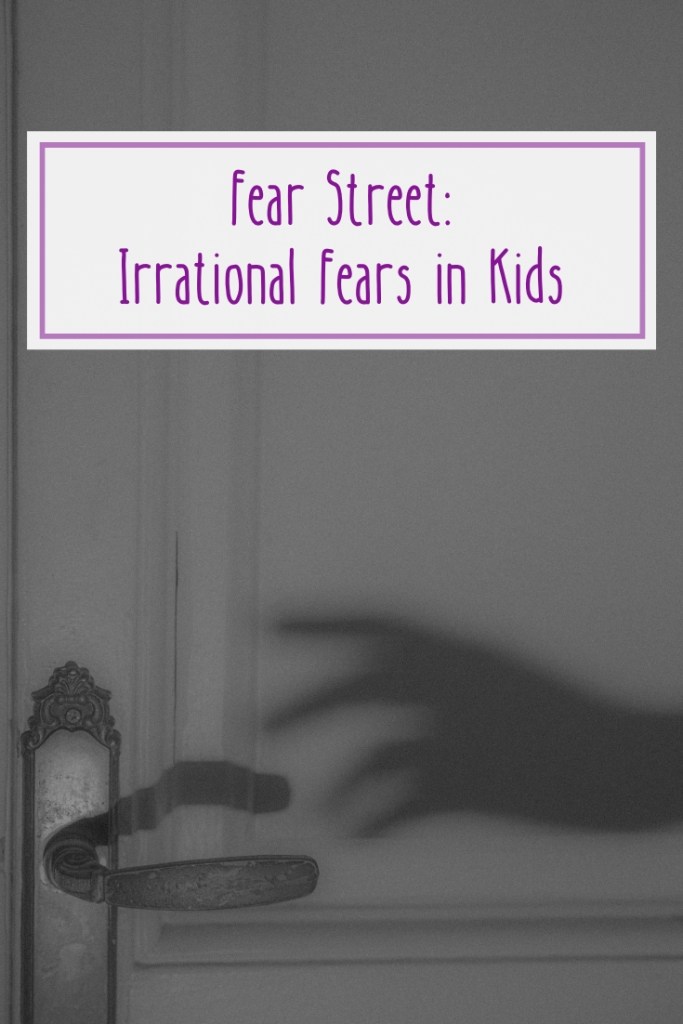
Everyone gets scared. Fear is a primary emotion signaling that we are in danger, essentially ensuring our survival from a hostile situation. Although it can be overridden by our executive functions, some fears can’t be shaken, no matter how irrational they are. This is especially true for kids. Despite how trigger-happy their fear response is to the most random things, it’s all part of their growth and development.
The Elements of Fear
Fear allows our kids to be more cautious about the world around them. It can help them navigate distressing situations or let them know to ask for help (ex: That’s a tree branch, not a monster’s hand).
As our children make more neural connections and gain more life experience, their fears shift. For instance:
- As toddlers explore and investigate their environment, they may pick up fears related to new things they’ve encountered (dogs, grass, the toilet, etc).
- When they have a good understanding of their surroundings (around the age of 3-4), new trepidations pop up regarding the unknown. Their anxiety can spark their imaginations to work overtime to fill in the blanks, like becoming afraid of imaginary creatures, the dark, or being alone.
- As their logic and reasoning mature (between 7-9 years old), their fears are related to real-world scenarios. Their worries are about the “what ifs” of certain situations and how it may affect them or their loved ones, from public speaking to natural disasters.
Age isn’t the only factor when it comes to what our kids are afraid of. Other reasons include:
- Instinct. The fear of snakes, sharks, and spiders is all linked to evolutionary survival. If you stay away from these creatures, you will not die.
- Observing our own dislikes and fears. Children model what they see, including our strong dislike towards something. If they see us avoid something, like touching slime, they may think it’s harmful and should steer clear of it. That continued avoidance can turn into an irrational fear of slimey things.
- Exposure to scary content. If they stumbled upon horrific images suited for mature audiences, they may obsess over what they saw to make sense of what they can’t unsee (How is that doll alive? Why would it hurt people? Wait, are my dolls going to hurt me!? Throw away all the dolls!)
Regardless of how legit or questionable their fear is, it can seriously affect how our children participate in their daily activities if left unchecked. For instance, a kid won’t sleep if they believe a monster is in their closet (teraphobia), won’t take a bath for fear of getting sucked down the drain (viemaphobia), or wear clothes because they think the garments are trying to suffocate them (vestiphobia). When fears become phobias, they no longer help a child try to make sense of their world, but rather, hinder their ability to take part in it.
What To Do
Just like nightmares, our kids’ fears are very real to them, regardless if it makes sense to us or not. Thus, we should approach their intense feelings with empathy, curiosity, and patience. Here’s some ways to do it:
Talk it out. Despite how it can feel for your child, fear serves a purpose. However, it may be tricky for them to express exactly what they are afraid of. For example, your child might be throwing a fit that the light isn’t on in the hallway when they need to go to the bathroom. Although we may have an idea as to why they’re upset, it’s better to get confirmation by asking specific questions. You could ask, “Why do you want the light on?” “What makes the dark scary?” “What do you think is there?” Once we know the fear, validate their feelings, and help them come up with solutions to conquer it (turn the hallway light on, use a flashlight, hold their hand as they walk down the hallway in the dark).
Check yourself. Kids look to their parents on how to handle situations. Be mindful of your reactions when dealing with your strong dislikes or fears in front of your children. Additionally, practice and model appropriate calming techniques and strategies so your child knows that these behaviors can be used to manage their own worries. In the same vein, it can be really easy for parents to dismiss a child’s irrational fear because they’re older and have more experience. This is also unhelpful and can lead to your kid feeling ashamed as well as scared.
Use logic and reasoning. A child’s prefrontal cortex is still under construction. This means that their logic and reasoning may take a back seat to their emotions when it comes to irrational fears. Fear makes it easy for kids to think the worst will happen. This exercise can help reframe their thoughts by engaging their executive functions. Have your child:
- Listen to their intrusive thought – “If mom goes to the store without me, she’s going to get hurt.”
- Figure out if it’s a fact or a just a feeling – Reframe it as an emotion, “I am scared mom will get hurt if I’m not at the store with her.”
- Collect evidence to support or disprove it – “Every time mom has gone to the store by herself, she seemed fine when she came home.”
- Challenge the intrusive thought – “Based on the evidence, my thought is a feeling and not a fact. My mom will be okay. I just miss her when she’s gone.”
Don’t shy away. When our kids get scared, they naturally will attempt to avoid what scares them. But sometimes that won’t help them overcome their fear; it will just exacerbate it. By gradually exposing your child to things that make them nervous, you help them practice self-regulation when encountering stressful situations. So, if they are afraid of the toilet (in true potty-training fashion), you can do the following:
- Walk them through the bath section of a home improvement store to see toilets that aren’t hooked up. They can touch it, sit on it, investigate it without the fear that it will automatically flush.
- At home, let them hang out with you in the bathroom to get used to being around it. They’ll see that the toilet doesn’t do anything unless someone interacts with it.
- To get used to the sound, let your child know that you’re about to flush the toilet. They don’t need to witness it but giving them the heads up allows them to prepare for the noise. They can cover their ears if they need to. If they are feeling brave, you can have them flush it. If they run out, that’s fine, but at least they did it.
- Once they understand how the toilet functions and realize it’s not as scary as they once thought, they will feel confident enough to use it independently.
“I’m not afraid anymore!”
Facing and overcoming fear is a big deal, but it takes time, effort, and encouragement to get it done. Your child’s brain is constantly building connections to make sense of their experiences, processing what is a real threat from a nonexistent one. By acknowledging their hard work and success with each fear they conquered, you send them a positive message that progress matters, helping them build a growth mindset to handle any challenging task.
So, praise your child when they make friends with the “monsters” under their bed, can bravely walk past a big pup without running away, or realize that the only thing they should fear is fear itself.
Like this post? Follow Child(ish) Advice on Facebook, Pinterest, Instagram, and TikTok.
 Child(ish) Advice
One thought on “Fear Street: Irrational Fears in Kids”