
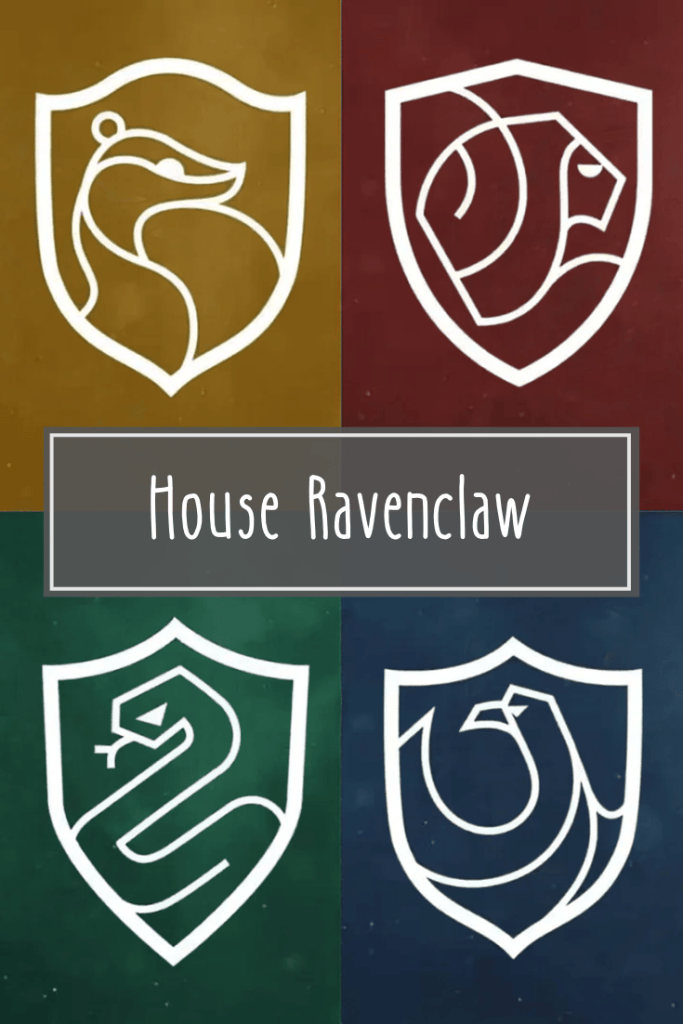
…Or yet in wise old Ravenclaw,
if you’ve a ready mind,
Where those of wit and learning,
Will always find their kind. – Harry Potter and the Sorcerer’s Stone
A young witch or wizard is sorted into Ravenclaw when their mind is their defining feature. It’s not just about intelligence, but the way they think, question, create, and approach the world. Ravenclaw traits show up early and consistently, even if the child isn’t academically “gifted” in the traditional sense. The house’s founder, Rowena Ravenclaw, prized the following traits:
- Genuine curiosity. Ravenclaw children show their House alignment most clearly through their curiosity. They ask real, thoughtful questions because they genuinely want to understand the world around them. Their minds naturally drift toward how things work, why people behave the way they do, what lies beneath the surface, and big, abstract concepts that other kids might not even notice. Curiosity is their compass, guiding nearly everything they do.
- Creativity and originality. Ravenclaws build entire worlds in their minds, write stories, design games, craft theories, and come up with solutions no one else would think to consider. Their creativity shows in imaginative play, unusual ideas, quirky humor, and artistic or inventive tendencies that make them unmistakably unique. Originality defines them and Luna Lovegood is a perfect example of this.
- A love of learning. They’re naturally drawn to books, experiments, trivia, research, and all sorts of niche interests that let them dive deep into whatever fascinates them. They learn because the process delights them, not because anyone told them to or because they’re seeking praise.
- Independent thought. Ravenclaws are famously autonomous and value mental freedom. They don’t follow the crowd, and they don’t accept rules that don’t make sense to them. The Sorting Hat pays close attention to kids who think for themselves, question instructions, prefer doing things their own way, and don’t mind being different.
- Wit and quick thinking. These kids make clever connections, solve puzzles quickly, enjoy riddles, and think fast in conversation. Even the riddle-door to their common room reflects this part of their nature.
Everything about Ravenclaw House centers on intelligence, creativity, wit, originality, and a love of learning; but their strengths come with very real and recognizable flaws. Ravenclaws struggle most with overthinking, detachment, perfectionism, intellectual pride, competitiveness, and isolation. This can look like:
- Meltdowns over “wrong” answers or imperfect work
- Arguing with teachers because the instructions “don’t make sense”
- Difficulty with group work because they prefer doing things their own way
- Getting lost in thought and missing social cues
- Being labeled as “bossy,” “know-it-all,” or “too sensitive”
- Withdrawing during conflict instead of talking it out
- Obsessing over niche interests to the point of ignoring other tasks
Ravenclaw flaws appear because their strongest traits are still forming and don’t yet have balance. Their minds run fast and deep, while the supporting skills of emotional regulation, social nuance, and real‑world perspective are still catching up. These tendencies aren’t problems; they’re simply the natural growing pains of bright, intense thinkers learning how to manage their own power.
Besides Luna Lovegood, other popular Ravenclaws from the series are Cho Chang, Professor Flitwick, Professor Trelawney, Professor Quirrell, Moaning Myrtle, Gilderoy Lockhart, and Ollivander. These characters are all over the map when it comes to personality, but whatever they do, they are “in it”.
As for why Ravenclaws don’t win the House Cup every year because they are supposed to be the smartest, the internet consensus seems to be that Gryffindors are too competitive and Slytherins cheat, so Ravenclaws might just let it be.
How to Parent a Ravenclaw
Parenting a Ravenclaw is a joy (and a challenge) because you’re raising a mind, not just a child. They’re curious, independent, eccentric, and deeply thoughtful, and they need a parenting style that honors their intellect as well as protects their emotional well‑being:
- Feed their curiosity. Ravenclaws thrive when their curiosity is supported. Honest answers, tools for exploring ideas, space to research what they love, and conversations that let them explain their thinking all help them grow. Dismissing questions, shallow responses, or rushing their thought process shuts them down.
- Provide structured autonomy. Offering explanations, independence, and flexibility helps them feel grounded, while micromanaging, rigid routines, and interruptions undermine their focus. They grow best when their independence feels protected.
- Protect their oddness. Supporting their unusual interests, imaginative play, quirky humor, and offbeat projects helps them feel confident in who they are. What harms them is pressure to be “normal,” shaming their oddness, or comparing them to kids who are more social or athletic. Their originality is central to their identity.
- Manage their perfectionism. Ravenclaw kids set high standards for themselves, so they often struggle when things don’t feel “right.” They find pressure around grades, constant correction, or being rushed through frustration overwhelming. They do best with encouragement that focuses on effort, learning from mistakes, and breaking tasks into manageable pieces.
- Teach emotional literacy. Ravenclaws often need support turning their thoughts into feelings. They do best when adults help name what they’re feeling, guide them to pause before reacting, teach simple conflict scripts like “I need a minute to think,” and encourage journaling or quiet reflection.
- Guard their social energy. These kids connect deeply with just a few people, not with everyone. They do best with smaller playdates, friends who share their interests, a schedule that isn’t packed, and gentle guidance in understanding group dynamics.
Parenting a Ravenclaw ultimately comes down to honoring their mind. When you treat them like thinkers by asking their opinions, inviting them to explain their ideas, and letting them teach you, they feel genuinely seen. That intellectual understanding is what helps a Ravenclaw fully bloom.
Related Posts:
House Gryffindor
Like this post? Follow Child(ish) Advice on Facebook, Pinterest, Instagram, and TikTok.
Sources:
Rowling, J. K. (1999). Harry Potter and the Sorcerer’s Stone. Scholastic.
Harry Potter | Official home of Harry Potter, Hogwarts Sorting, and the Wizarding World
Ravenclaw Traits: Personality, Strengths & Weaknesses

