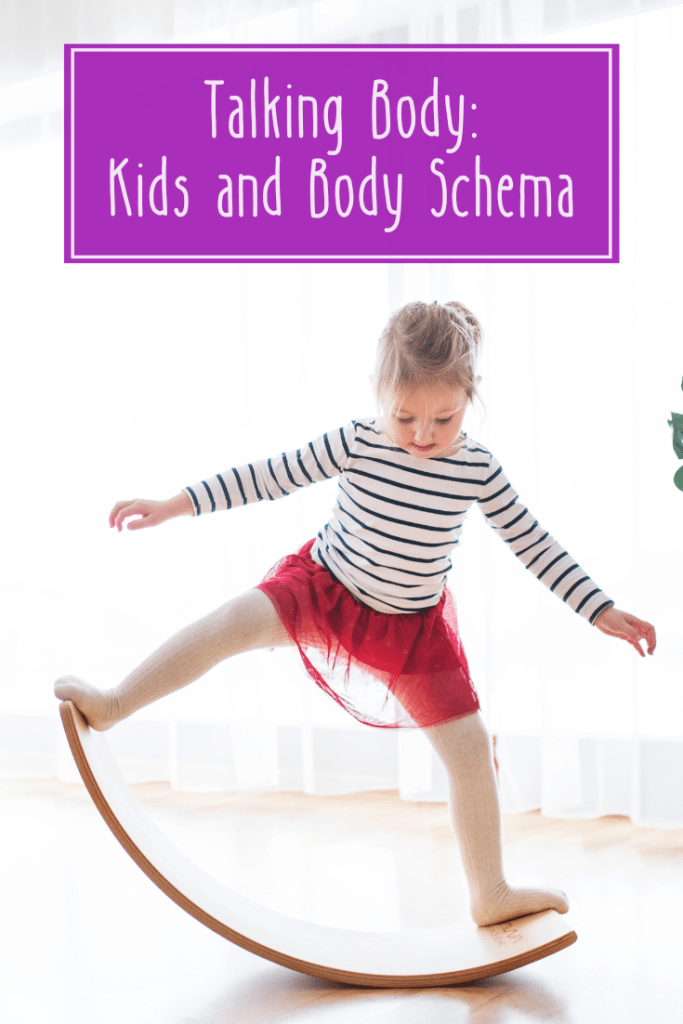
Talking Body: Kids and Body Schema

Kids have an enormous amount to learn, but before they can take on reading, writing, math, social skills, or even coordinated movement, they need a basic sense of themselves.

As children develop, it takes years for them to truly understand themselves—the “me I feel inside,” the “me others see,” and the “me I’m becoming.” That long process begins much earlier than most people realize. It starts when the brain first learns the physical boundaries of the body.

Those early signals (movement, balance, joint and muscle feedback, and deep pressure) are the “me sensations.” They give the brain its first clues about where the body begins and ends. Over time, these sensations fill in the brain’s internal “map of me,” the foundation for later self‑awareness, confidence, and coordinated movement.

Continue reading


Coffee Chat: A&Z’s First Visit to the Podiatrist

I do not have flat feet. If anything, my arch is incredibly high and my friends complained that we couldn’t borrow each others’ shoes because of it. I also tend to underpronate which I didn’t really notice until college. So when Troy and I started dating and he wore orthotics, I totally thought it was an old man thing.

Last month, Troy suggested we take the girls to the podiatrist. I get being overzealous about your kid’s health, but exactly how many pediatric podiatrists are there?

He said that he noticed that Z’s ankles were crumbling in when she walked and that’s a sign of flat feet. A’s feet also were a bit weird; they curved inward. My little pigeon toe! My MIL also worked as an x-ray tech in a podiatrist’s office, and she reconfirmed they definitely needed to go.

I didn’t think this was a big deal, since they were still growing and neither of them seemed fully “in their body” yet. But when I looked at videos of Z walking in flip flops, it was very clear. Similarly, in videos of A running, she looked a bit “floppy” for lack of a better word. To the podiatrist we go!

Continue reading

Coffee Chat: The Sideline(d) Parent

Third grade really is a pivotal year—not just academically, but emotionally and socially— and in all the subtle ways, kids start stepping into themselves. It’s not just the shift in classroom expectations; it’s everything else.

This fall, my son joined kid-pitch baseball for the first time. He practiced endlessly on his pitching, determined to take the mound —and he did. Watching him struggle through his first inning, knowing I couldn’t step in or give him a quick pep talk between batters, was a moment that mirrored so much of what this school year has felt like so far.

And now, there’s the new line I hear more often from him: “I know, Mom.” It’s a small phrase, but it carries the weight of his growing away and me slowly finding myself on the sidelines. While I know this was bound to happen (our kids can’t stay little forever), it doesn’t make this quiet shift any easier.

Continue reading

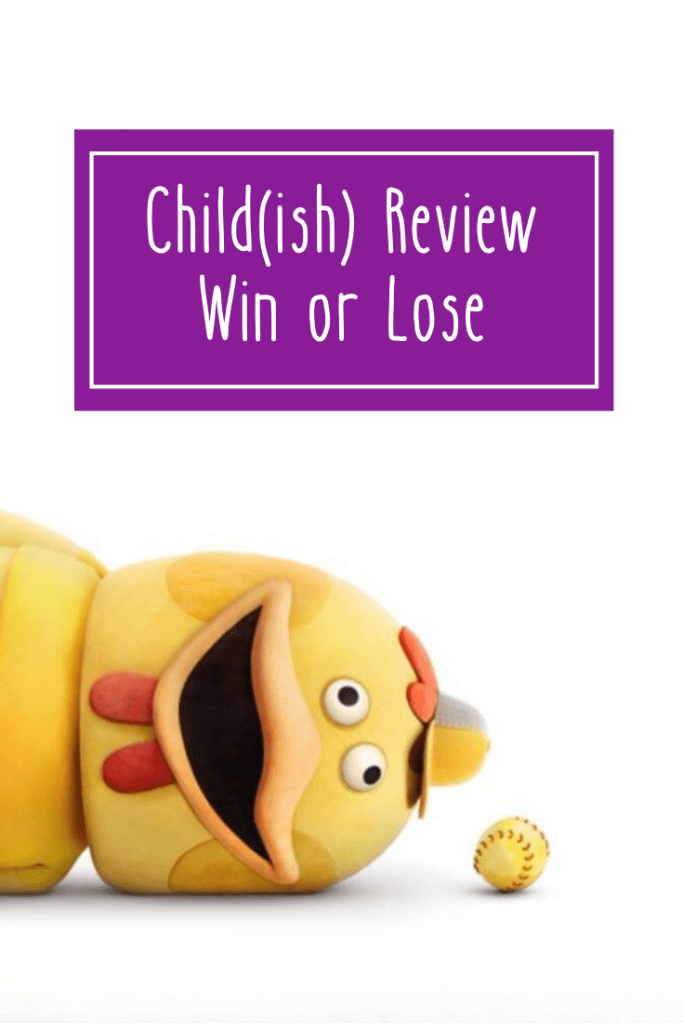
Child(ish) Review: Win Or Lose

Leave it to Pixar to effortlessly explain complex situations to kids. In the new long-form animated series Win or Lose, their animation team delivers the concept of “Everyone is going through something you have no idea about”.

The show centers around The Pickles, a middle school co-ed softball team in the week leading up to their big championship game. Each episode focuses on an individual character’s point of view and how their personal lives shape their perception of the team, school, and home. Laurie, the coach’s daughter, stresses over how to contribute to the team and make her father proud. Kai, the star player, pushes herself to the limits to avoid her dad’s criticism. Rochelle does whatever to make money so she can play next season. The series explores how different characters grapple with pressure and insecurity – whether it’s to seek approval, perfection, or stability.

Continue reading

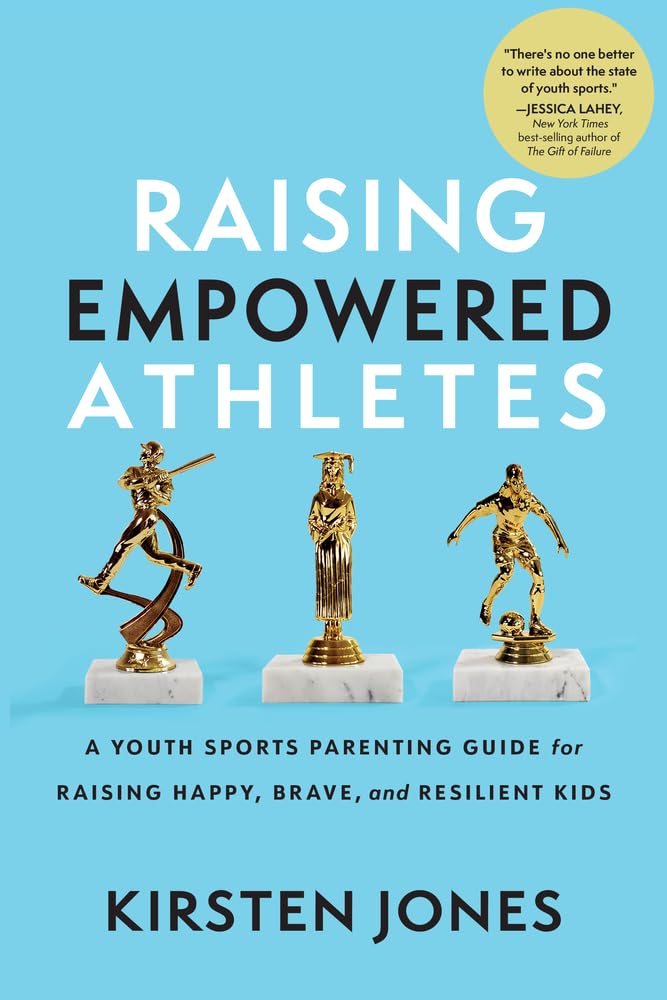
Child(ish) Reads: Raising Empowered Athletes

A little backstory for me. I was up in Virginia for work this past fall and was invited to come to my high school crew team’s afternoon practice. I was a crew coxswain for six years; starting in high school, through college and two years in Masters rowing. I’ve sat in on practices, but this was my first time a long while helping novice high school girls.

Crew is an amazing sport when it comes to culture, work ethic, and mental game. But the coach was quick to point out that he wasn’t seeing a lot of physical fitness and strength in this group of girls. While crew was fun and they enjoyed being on the water, they were still very much learning fundamentals and not speed. This is racing after all.

So how do you connect with a young person about being competitive? How do you motivate without turning into a zealous tiger parent? How young does this start?

Raising Empowered Athletes: A Youth Sports Parenting Guide for Raising Happy, Brave, and Resilient Kids by Kirsten Jones. Kirsten, a Hall of Fame DI volleyball player from The College of William and Mary, and fourteen-year NIKE executive, is now a motivational speaker, writer and Peak Performance Coach. Her clients include teen athletes (and their parents), where she helps them learn how to reach their goals and release their limitations. She co-hosts the #RaisingAthletes Podcast with Susie Walton on iTunes and Spotify.

Continue reading