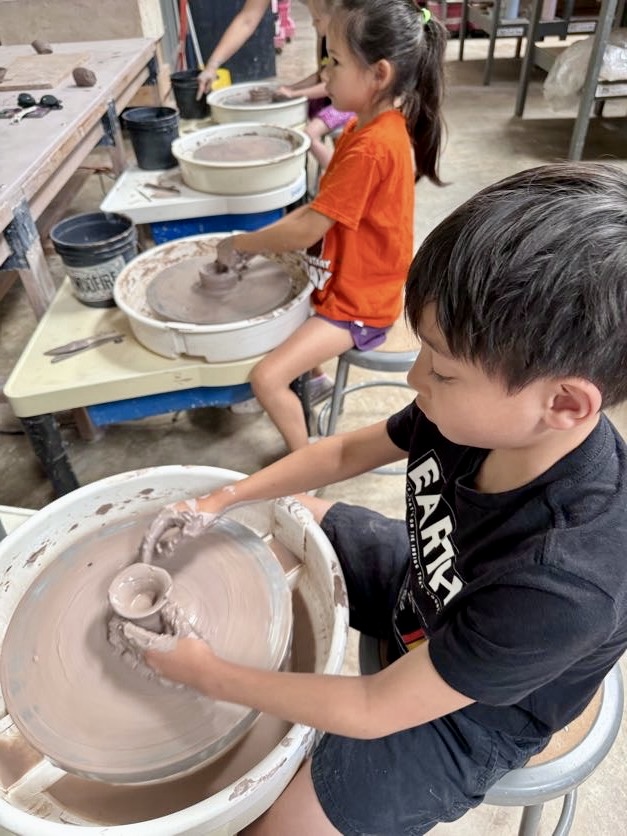
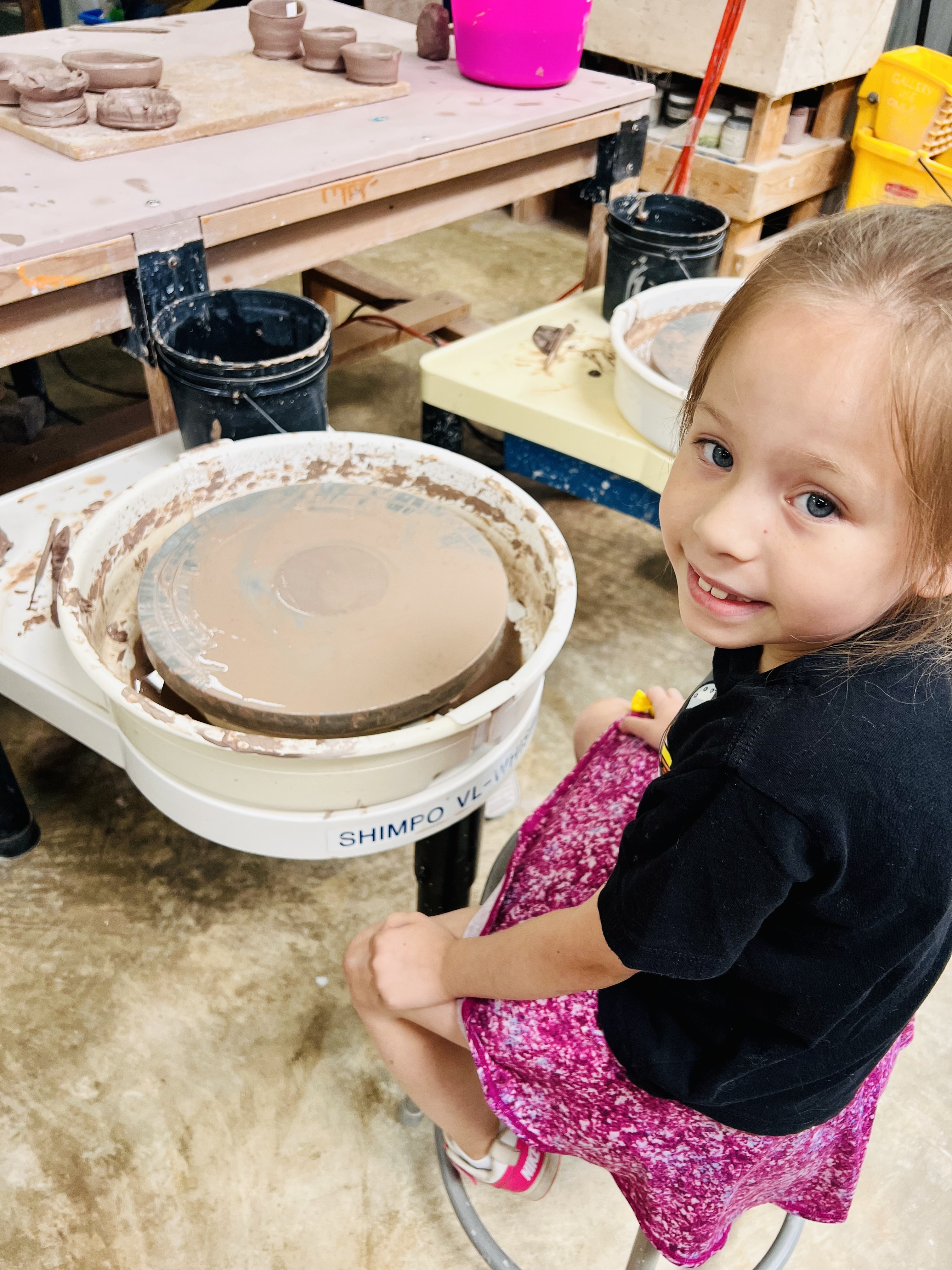
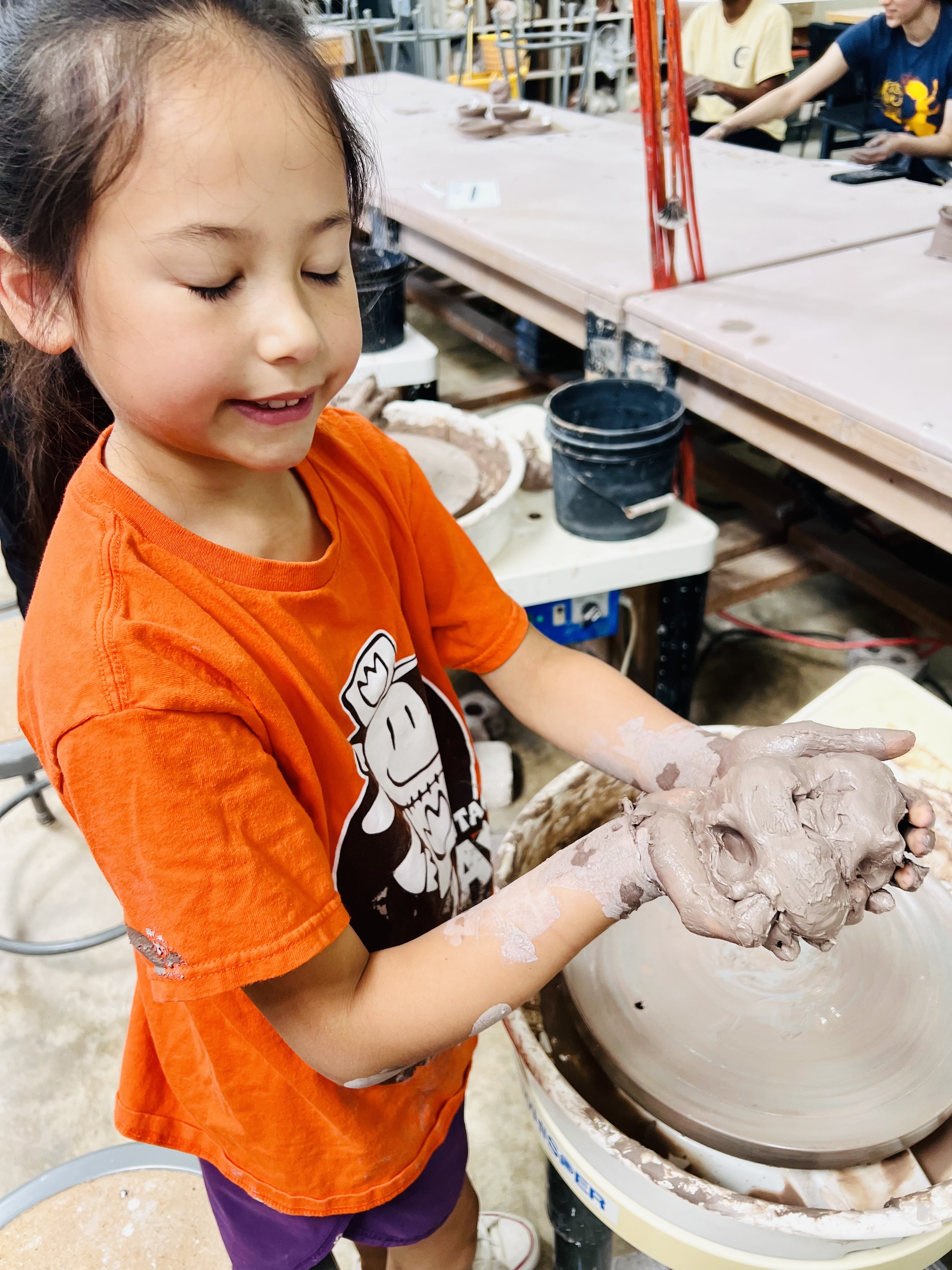
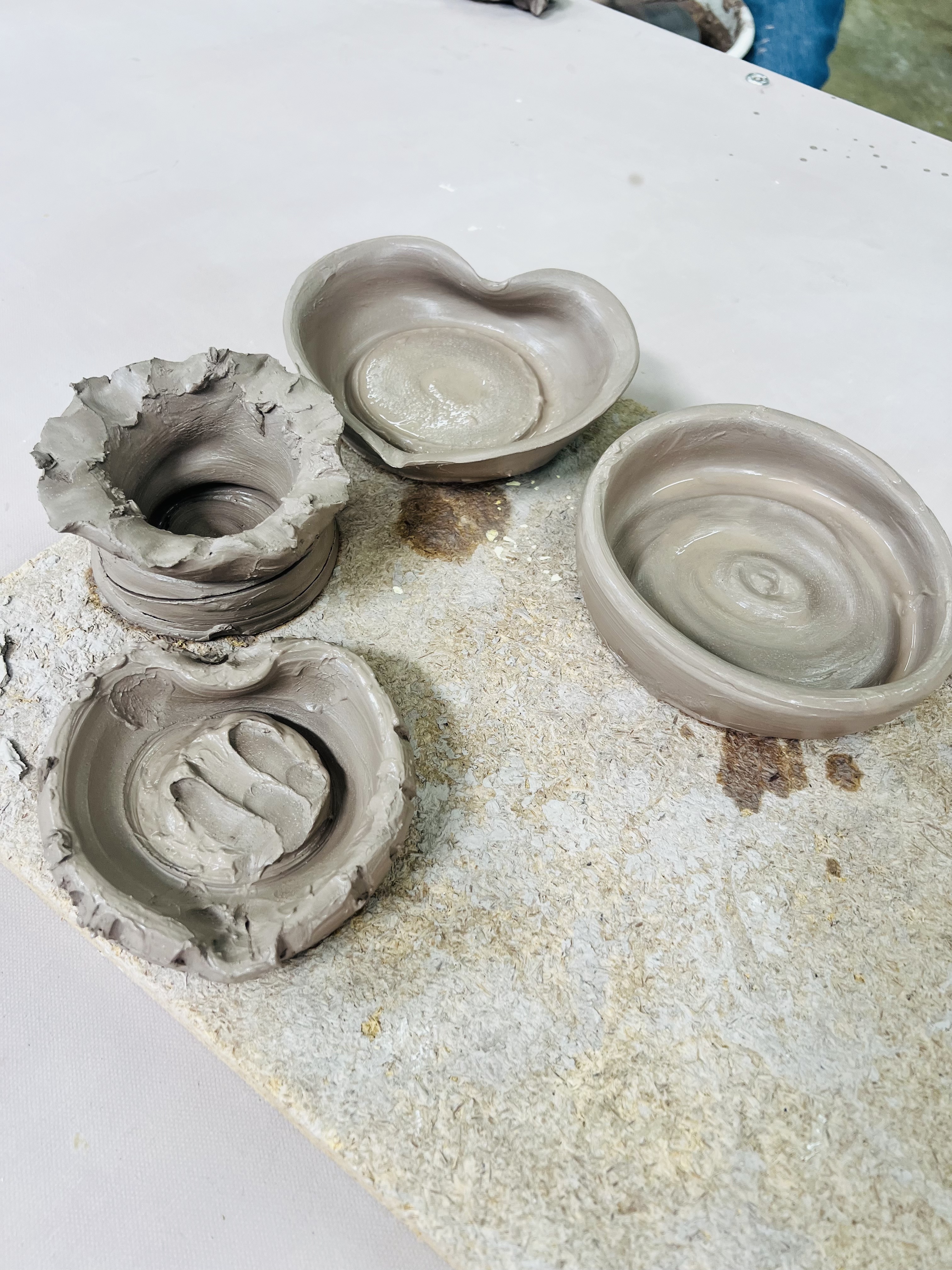
Our Wheel Throwing Playdate Review

It’s the last week of the school year and the last posts before our annual summer blog break. So we’re keeping it fun with a playdate review.

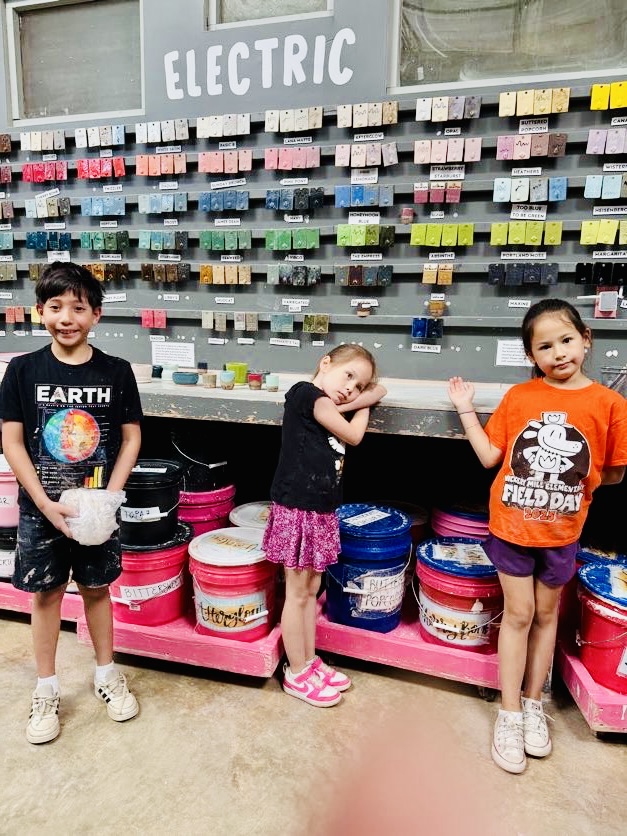
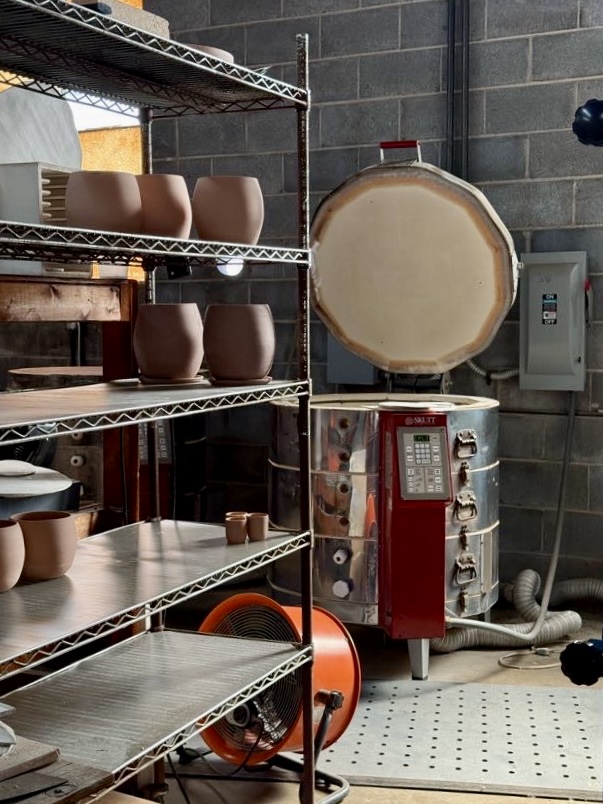
With the kids getting older, there isn’t much that they haven’t tried. So, play dates have been harder to brainstorm and plan. One of the first things I wanted to do when we came up with this blog series is wheel pottery. I had never done it before, and the girls have done kids clay sculpting classes many times. Now, all three kids are finally old enough to take it on.

Most pottery wheel studios have a minimum age for their beginner wheel classes, or they want you to buy several sessions or weekly course. In my cursory Google search, I found Mudfire, an open community pottery studio built around creativity, inclusivity, and shared space. They offer single Wheel 101 and 102 classes, capped at 12 people with a minimum age of 6 years old. They also have kids summer camps and special kids-only pottery wheel classes starting in June.

Continue reading →
Coffee Chat: Kids Sports and the Long Game

Yes, we’ve been writing more and more about youth sports. But is it really that big of a surprise, since our kids are now 2-3 years into their teams and activities?

Just like OT, everything is foundational. What they are learning now is going to shape their social skills and identity 5, 10, 20+ years down the road.

Our kids’ sports experiences are vastly different, and they are uncovering a lot of skills and lessons for us parents to dive into. We’re also seeing a lot of bad habits thanks to sports system that’s getting harder to navigate.

Therein lies the conundrum: How long will our kids be on this path before it starts turning into a tearful, stressful, time-sucking money pit? Can we walk the line, or are we already in the vicious cycle?

Continue reading →

Our First Theme Park Survival Guide

Growing up in Florida, Troy and I would go to Disney at least once a year for school field trips. Gradually, that grew to loving roller coasters, fandoms, drinking around the world, and staying in the parks late at night. We were always with friends, had very little cash, and ended up passing out on the ride home.

Making a big to-do about Disney World was never a thing for our families. But, we thought long and hard about how we wanted to navigate Disney with the girls, knowing that it is probably worth it to do one big magical trip to Florida while they are still little princesses.

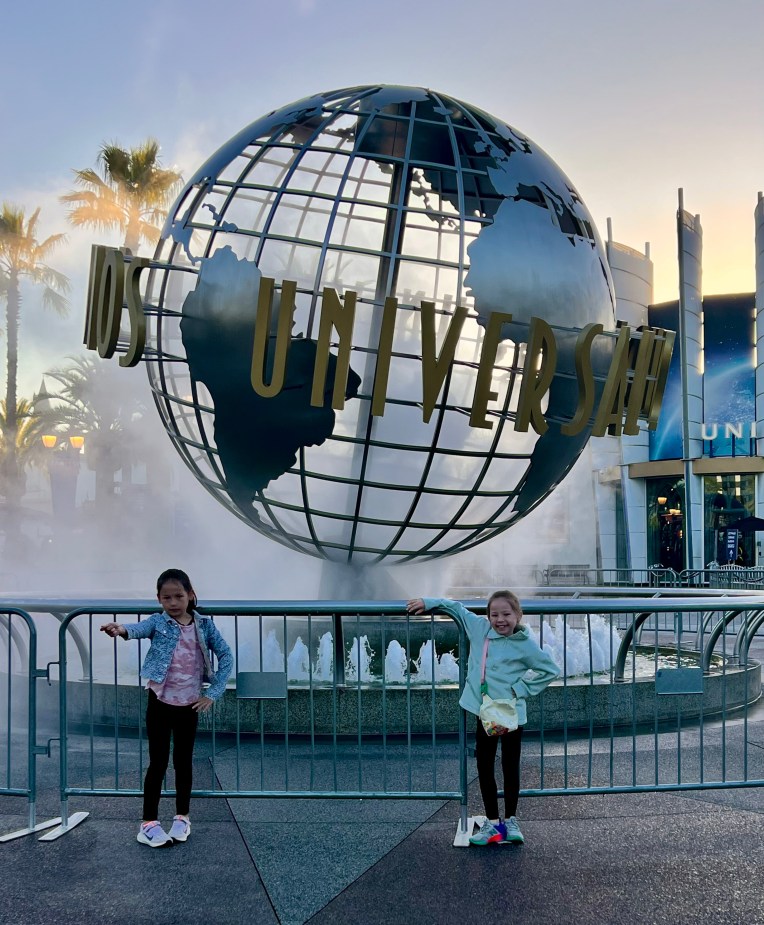
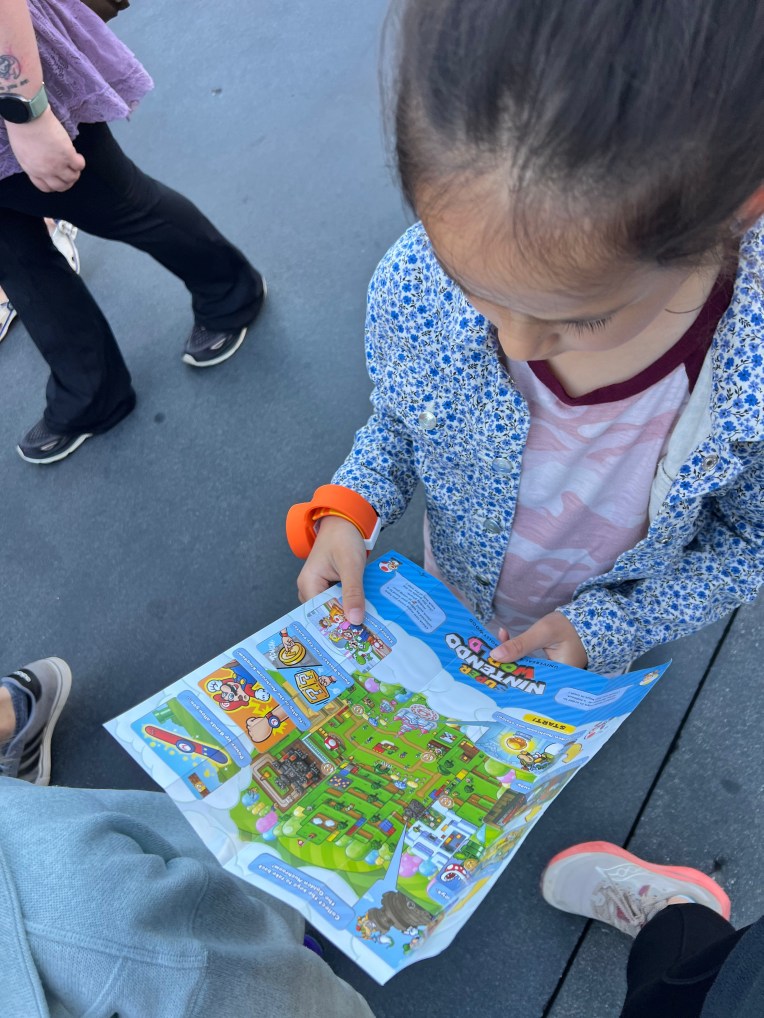
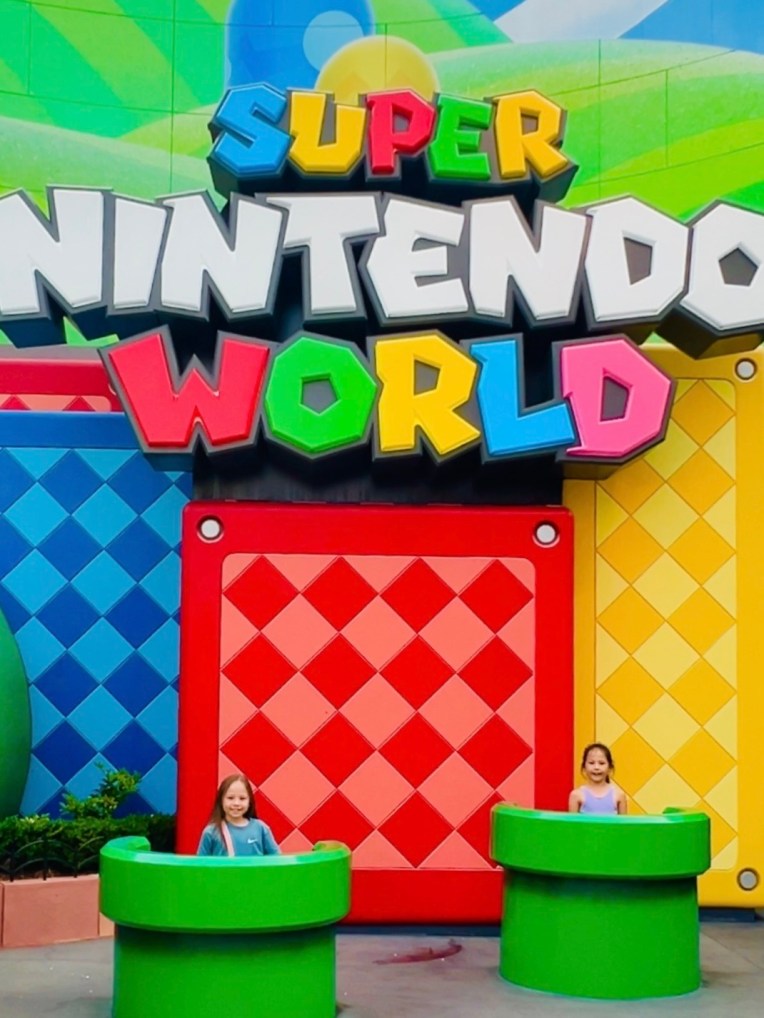
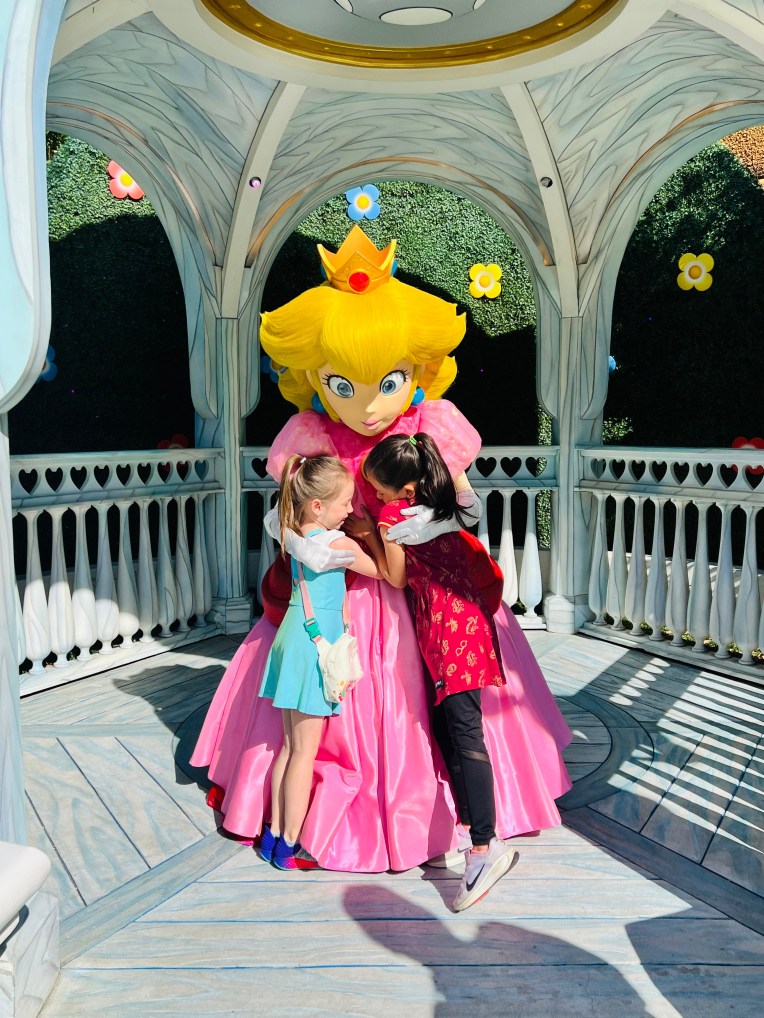
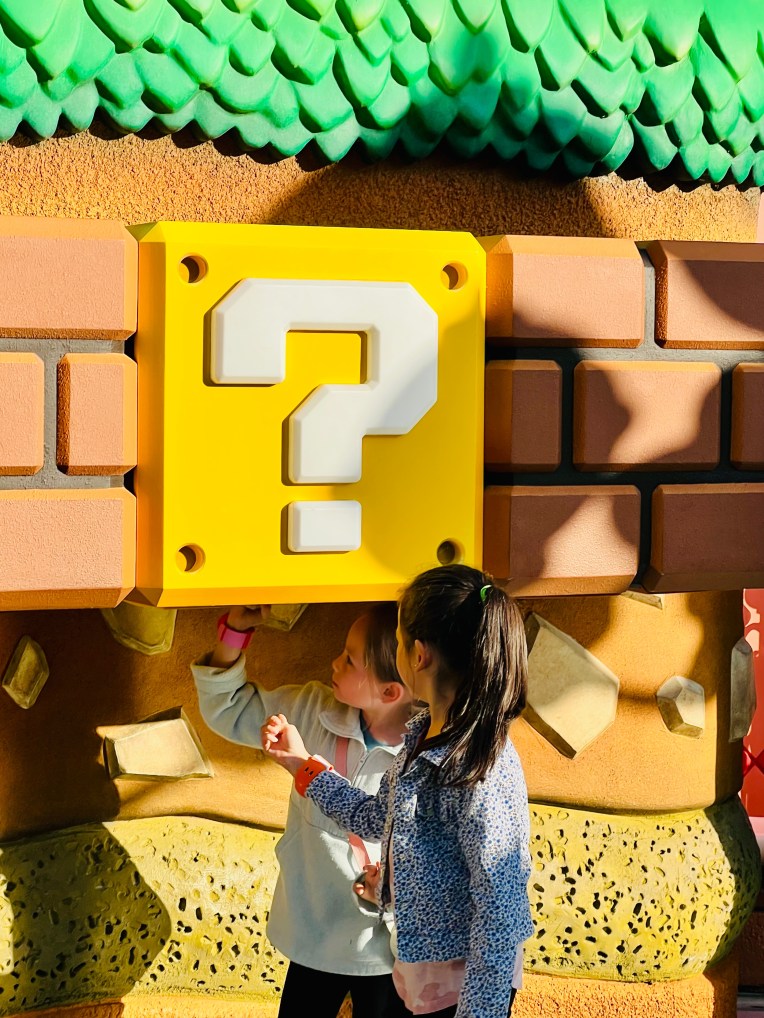
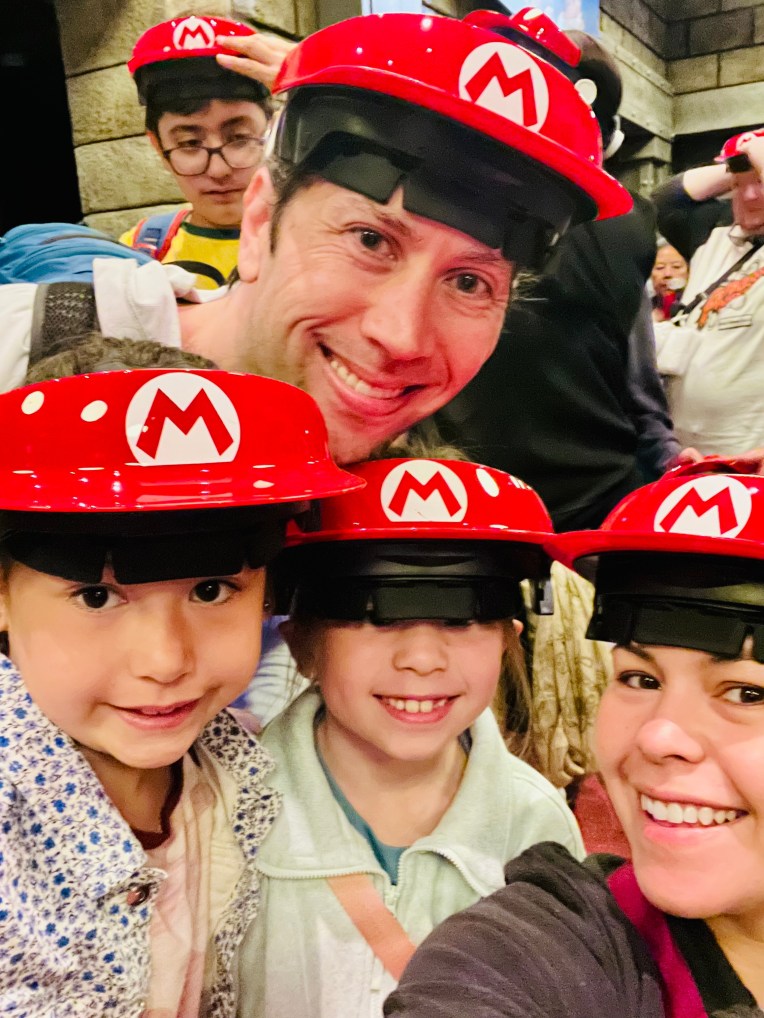
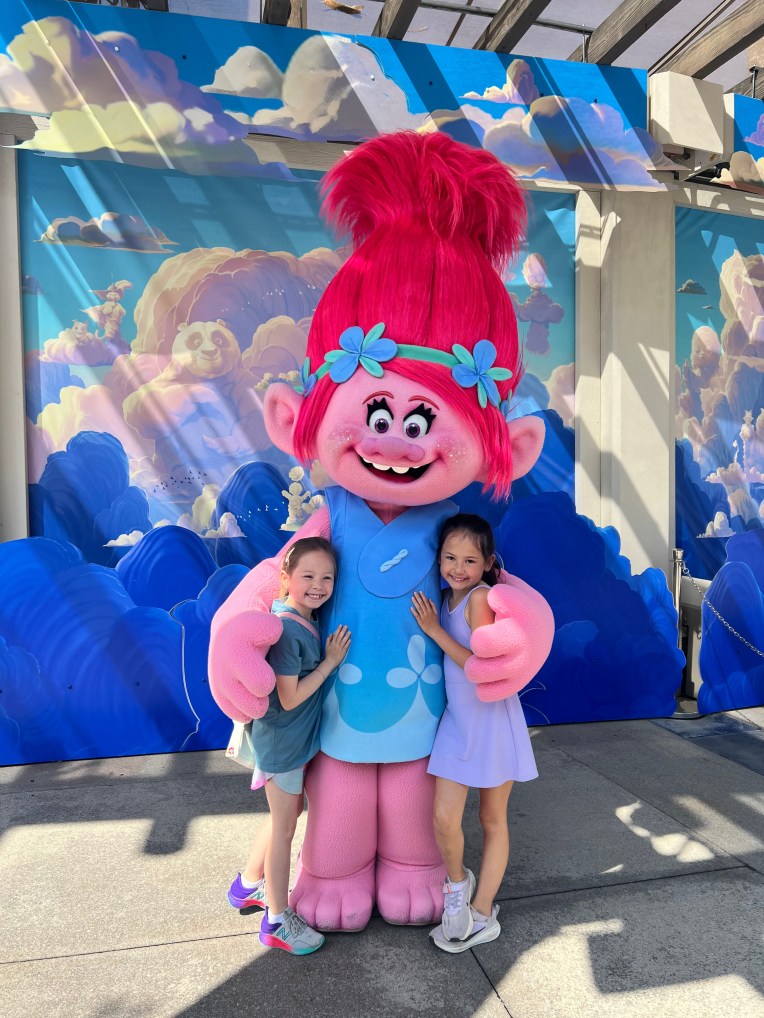
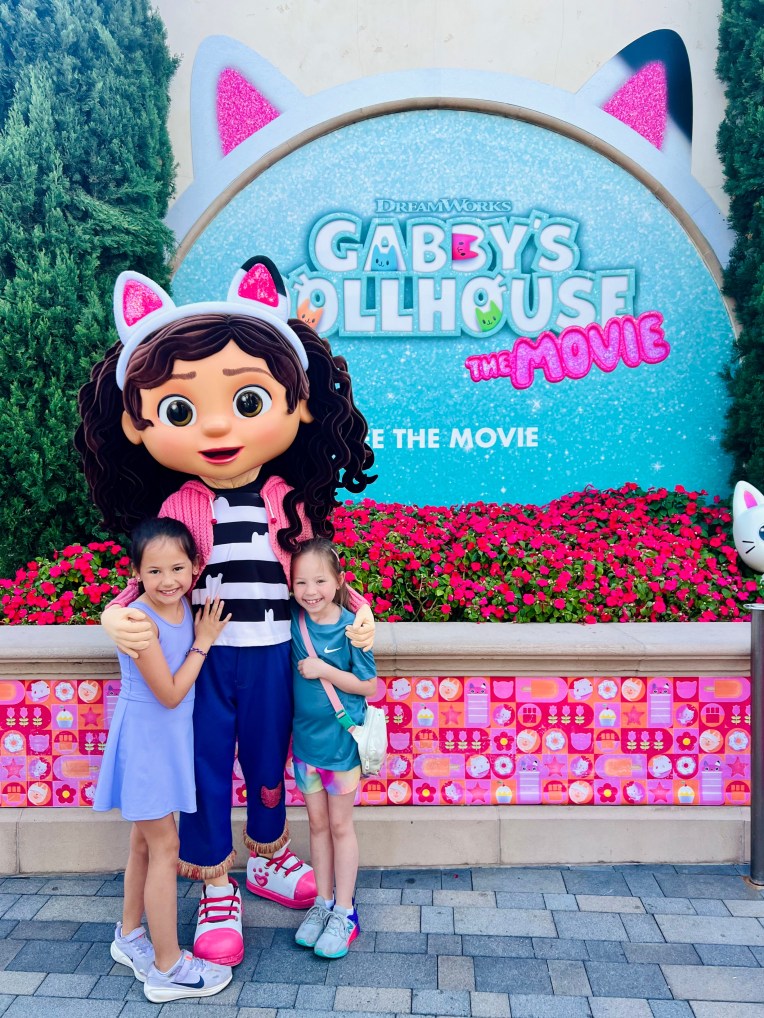
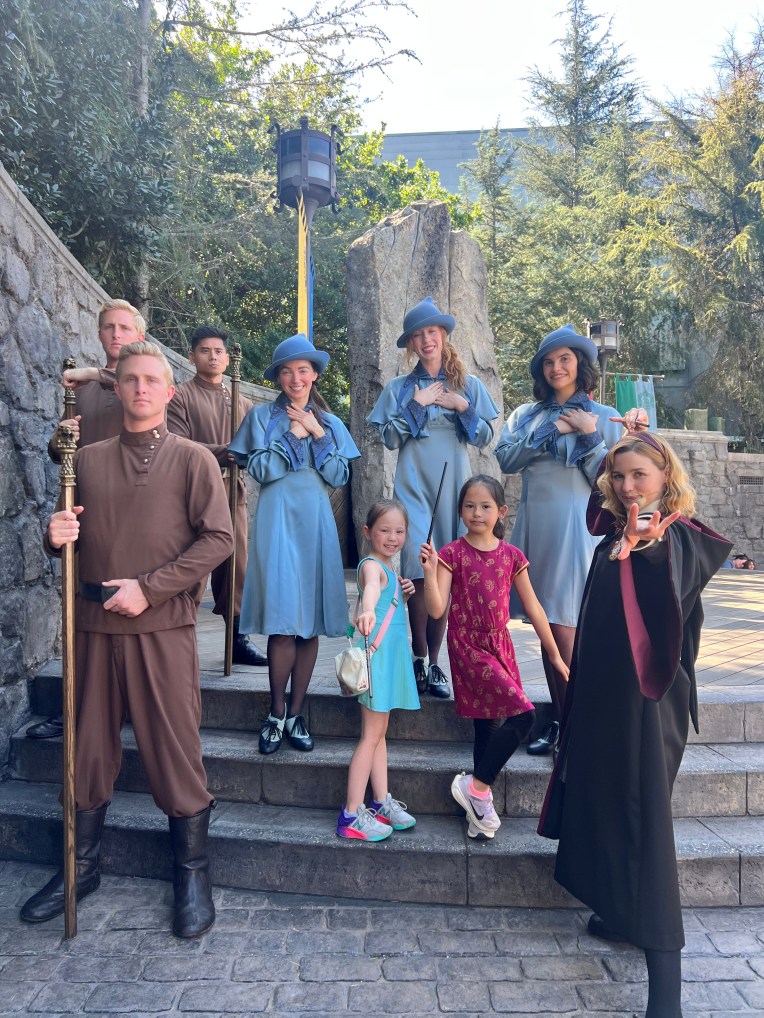
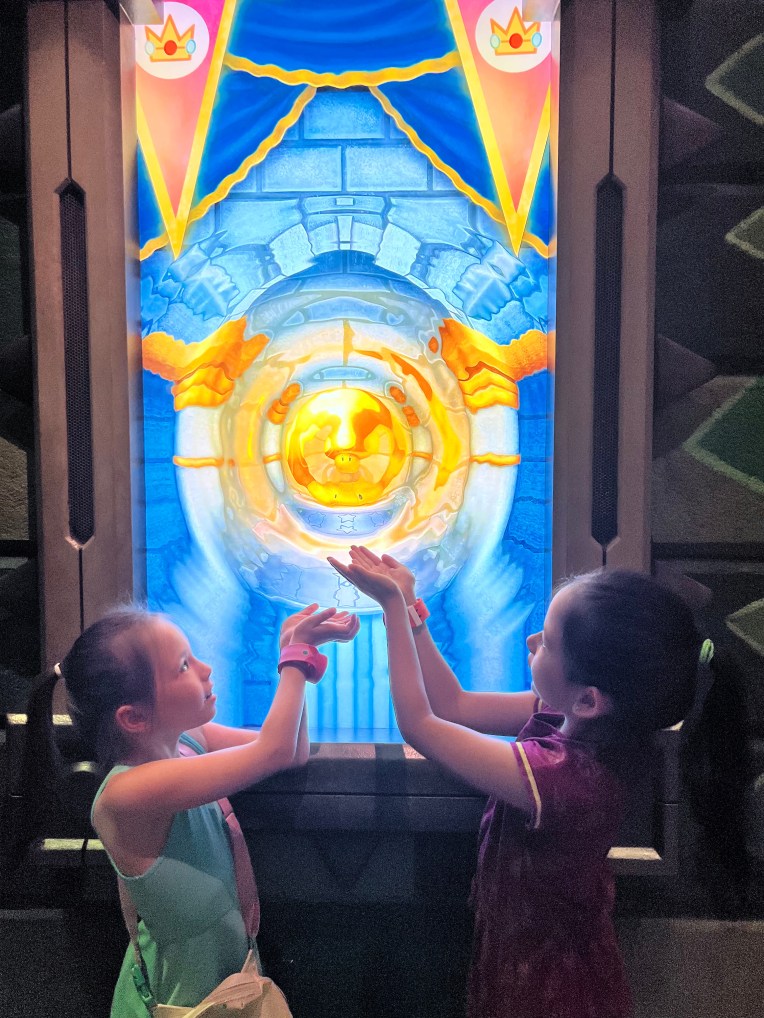
So for this year’s Spring Break, we decided to give them an amuse bouche while we were in California. In addition to Joshua Tree, Carlsbad, and sightseeing around LA, we took the girls to Universal Studios Hollywood. They are on the fifth Harry Potter book. Super Mario Galaxy just came out. Z just got over 42 inches tall. It seemed like the best time to test the waters.

Continue reading →
Child(ish) Reads: Dopamine Kids, Pt. 2

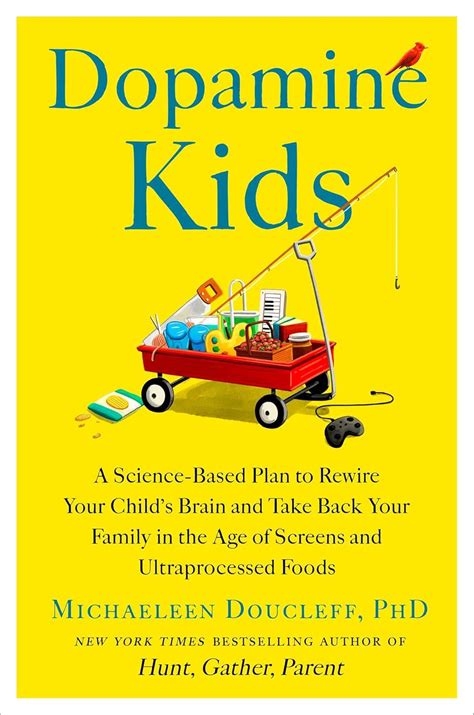
In part 1 of my Dopamine Kids review, I said that Michaeleen Doucleff’s five-step plan is very easy to implement. She walks through each step and gradually builds the plan with each chapter. Just like a textbook, you read the material in the first section and do the direct application right after.

So for part 2, I’m sharing my family plan and how I’ve adapted the steps for A&Z.

Continue reading →
Child(ish) Reads: Dopamine Kids, Pt. 1

I was very excited to receive my pre-ordered audiobook of Dopamine Kids by Michaeleen Doucleff. Yes, the same Michaeleen Doucleff from Hunt, Gather, Parent. It has been 5 years since I reviewed that book, and I love how Dopamine Kids fits in so perfectly with all of our Brain-Body posts this month.

Dopamine Kids: A Science-Based Plan to Rewire Your Child’s Brain and Take Back Your Family in the Age of Screens and Ultraprocessed Foods by Michaeleen Doucleff.

Blurb: For the first time in history, we are inundated with “dopamine surges” inside our brains, pulling us to technology and ultraprocessed foods like magnets—every day, many times a day. Over the past decade, neuroscientists have finally begun to figure out how these surges alter our choices, our habits, and even our moods. We’ve learned how dopamine can drive adults and kids to engage in activities that we don’t actually enjoy—activities that can make us feel sad, lonely, anxious, and depressed.

Continue reading →