Mary’s School Update: New School, Who’s This?

Last school year, it was shared that our local public elementary school was shortlisted for possible closure. After five grueling months of parent advocacy and formal meetings with the school board, a final decision was made: our cherished elementary school would close its doors due to fiscal responsibility. The outcome was deeply disheartening.

I served on the research team tasked with compiling data and proposing innovative, cost-saving alternatives that could give us a chance for this upcoming school year. But despite our efforts, the board’s majority leaned toward shuttering aging facilities and reallocating resources.

This feels deeply personal to me right now, but this trend has been widely documented across the country. School systems increasingly forced to make difficult decisions in response to shrinking budgets and changing demographics. As public school enrollment declines (due to a range of factors), closures and consolidations have become part of the cost-cutting strategy.

Continue reading

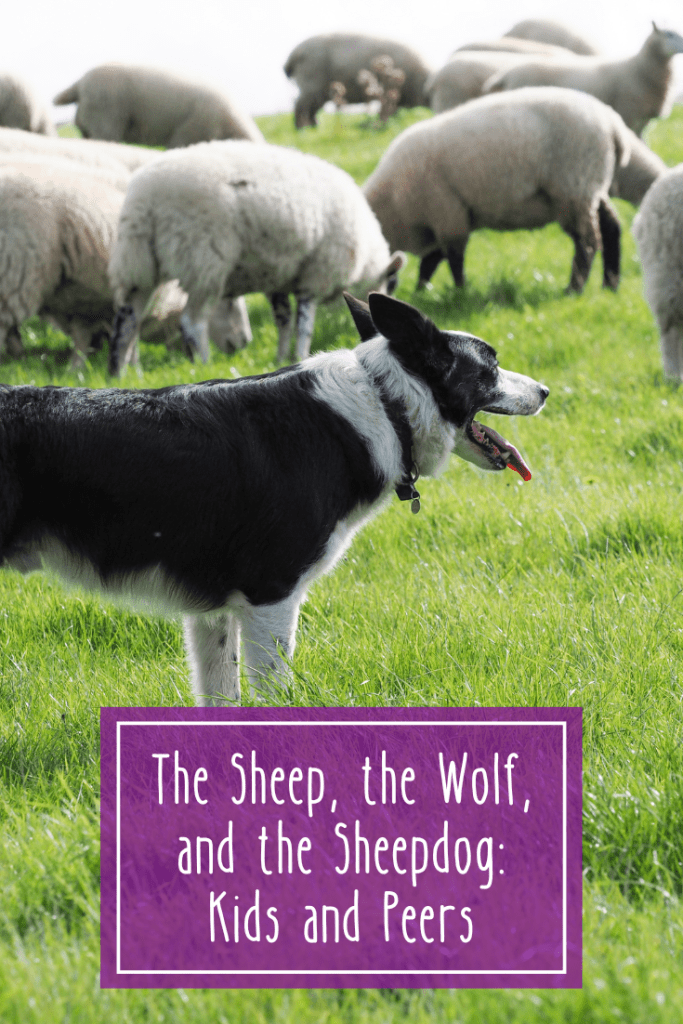
The Sheep, the Wolf, and the Sheepdog: Kids and Peers

There are three types of people in this world: sheep, wolves, and sheepdogs. – Wayne Kyle, American Sniper

My husband has used this analogy to explain certain types of people to our son ever since he was little. Granted, it is an oversimplified explanation of human nature, but it gets the point across. In our version of the metaphor, sheep are those who cannot defend themselves when harm comes their way, wolves take advantage of their vulnerability, and the sheepdog stands up and protects the sheep. It’s a visual way to tell him to be a decent human and not be a d*ck.

 While our son has long understood this concept, it’s becoming harder for him to follow. In fact, it feels like he’s exhibiting more wolf-like behavior these days. Turns out the shift between sheepdog and wolf mirrors the growing complexity of his social circle and how kids his age are dealing with the next level of social skills and challenges.

Continue reading

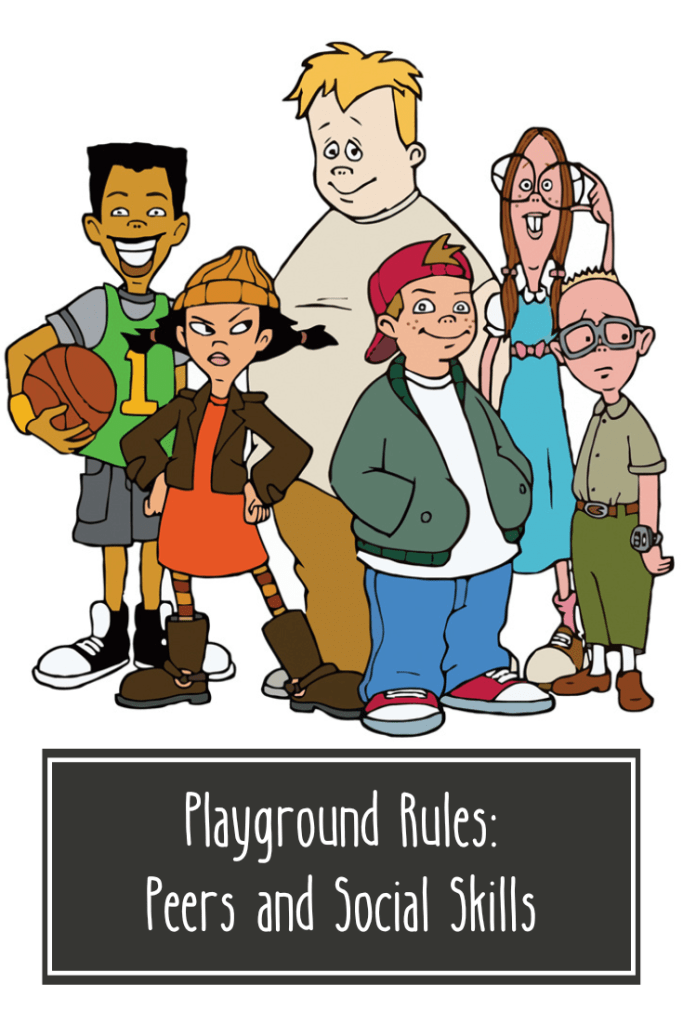
Playground Rules: Peers and Social Skills

Image credit: Recess

Parents can only do so much. In our kid’s early childhood, we try our best to teach and model everything they need to know to thrive. But eventually, they need to test their skills in real-life situations, and that’s most likely going to come on the playground.

When parents in the clinic would stress over their child’s social skills, I would say “playground rules,” meaning that kids best learn socialization in a setting with their peers and with limited interference from their parents. While the home serves as a training ground for trial and error, peers provide real-time feedback and refinement of those skills.

Continue reading

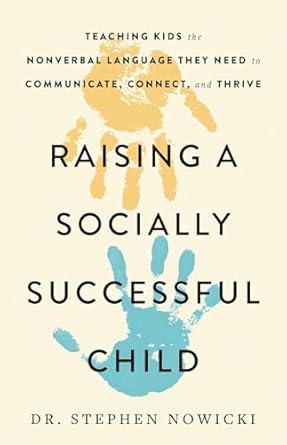
Child(ish) Reads: Raising A Socially Successful Child, Pt. II

When we say “socially successful”, we mean making friends. Yes, how our child conducts themselves in public spaces in a way that is socially acceptable is one thing. Manners and etiquette are explicitly taught.

However, making friends is not exactly easy for most. Confidence, self-esteem, temperament; these all factor into the process personally. But then there is the reciprocation, the two-way street. Does this person like me back?

In Raising a Socially Successful Child, Dr. Stephen Nowicki explains the Friendship process; the different stages of how we start and maintain relationships.

Continue reading

Repeat After Me: Kids and Modeling Language

Kids are like little sponges and they absorb knowledge through observation, exploration, and experience. Learning to communicate and socialize appropriately is no different. From quoting movie lines, repeating encouraging phrases, or even calling us “Bruh”, they soak in everything they hear and try to apply it in everyday conversation whether they fully understand it or not. While their process trial and error can be amusing, it raises the question of how their models (primarily us) can shape their lives, their friendships, attitudes, identities, and their self-esteem and confidence.

Continue reading