Skin Deep: Skin’s Role in Child Development

Touch is a child’s first language. Studies show that early tactile experiences shape attachment, regulation, and the development of motor and sensory systems. It helps build our body schema for crying out loud.

All of this begins with the skin: the body’s largest organ, the first sensory system to mature, and the primary gateway through which infants learn about safety, connection, and their place in the world. Because the skin is a direct extension of the developing nervous system, it plays a central role in how children build body awareness, emotional stability, and early relationships.

Continue reading
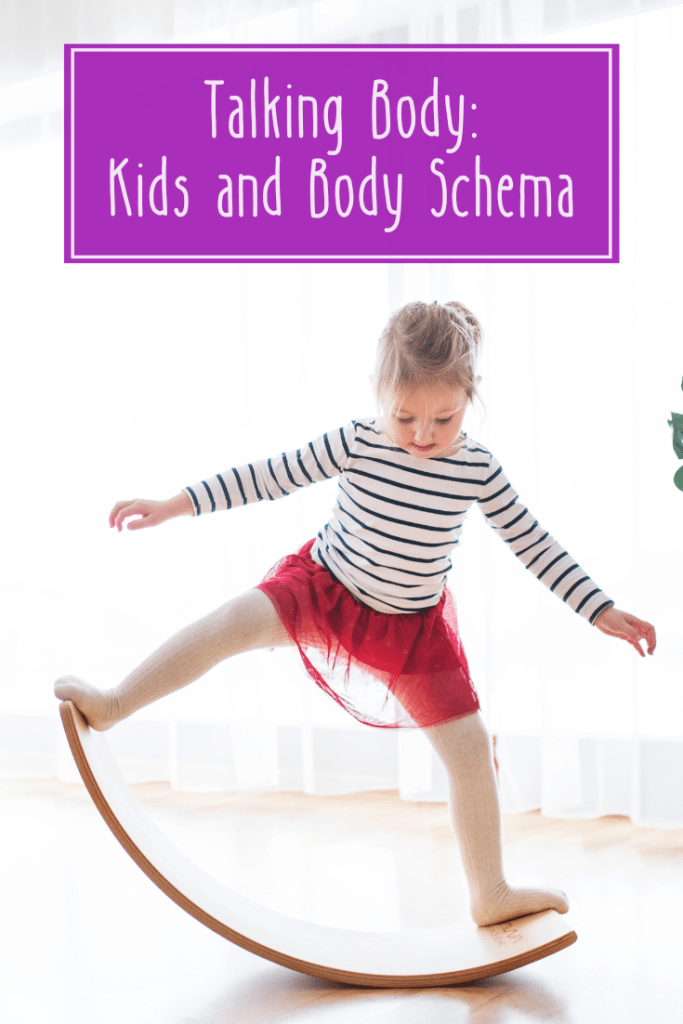

Talking Body: Kids and Body Schema

Kids have an enormous amount to learn, but before they can take on reading, writing, math, social skills, or even coordinated movement, they need a basic sense of themselves.

As children develop, it takes years for them to truly understand themselves—the “me I feel inside,” the “me others see,” and the “me I’m becoming.” That long process begins much earlier than most people realize. It starts when the brain first learns the physical boundaries of the body.

Those early signals (movement, balance, joint and muscle feedback, and deep pressure) are the “me sensations.” They give the brain its first clues about where the body begins and ends. Over time, these sensations fill in the brain’s internal “map of me,” the foundation for later self‑awareness, confidence, and coordinated movement.

Continue reading

Coffee Chat: A&Z’s First Visit to the Podiatrist

I do not have flat feet. If anything, my arch is incredibly high and my friends complained that we couldn’t borrow each others’ shoes because of it. I also tend to underpronate which I didn’t really notice until college. So when Troy and I started dating and he wore orthotics, I totally thought it was an old man thing.

Last month, Troy suggested we take the girls to the podiatrist. I get being overzealous about your kid’s health, but exactly how many pediatric podiatrists are there?

He said that he noticed that Z’s ankles were crumbling in when she walked and that’s a sign of flat feet. A’s feet also were a bit weird; they curved inward. My little pigeon toe! My MIL also worked as an x-ray tech in a podiatrist’s office, and she reconfirmed they definitely needed to go.

I didn’t think this was a big deal, since they were still growing and neither of them seemed fully “in their body” yet. But when I looked at videos of Z walking in flip flops, it was very clear. Similarly, in videos of A running, she looked a bit “floppy” for lack of a better word. To the podiatrist we go!

Continue reading

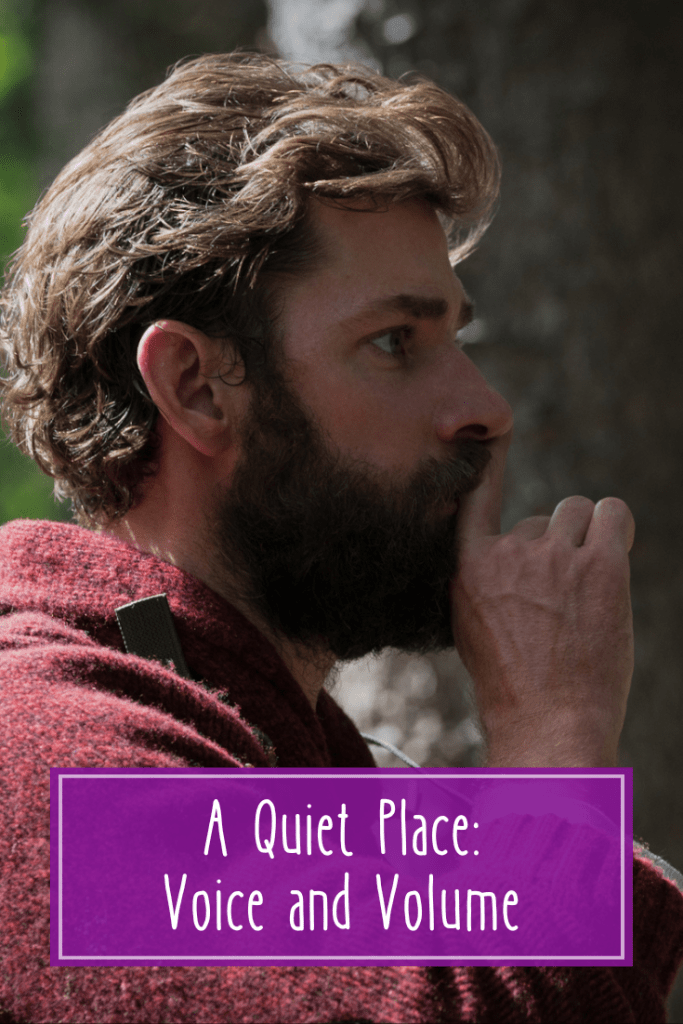
A Quiet Place: Voice and Volume

Lee Abbott (signing): You cannot go down there!
Regan Abbott: Why not?
Lee Abbott: You know why.
Regan Abbott: I’m not a child! I won’t make a sound!
Lee Abbott: Just don’t. Please.

“Quiet” isn’t the first word that comes to mind when describing kids. More often, they fill every corner with sound—shrieks of joy, dramatic retellings, spontaneous dinosaur roars. Children tend to operate at full volume…unfortunately. As it turns out, there are real, developmental reasons behind all that noise.

Kids tend to be loud, not because they’re misbehaving, but because they’re still learning. Self-awareness, emotional regulation, and social cues are all works in progress. They’re figuring out how to read the room, tune into themselves, and turn the volume dial down. Add in boundless energy and curiosity, and volume becomes part of how they explore, connect, and express themselves.

Continue reading

Stars, Stripes, and Self-Regulation: Strategies for the 4th of July

The Fourth of July is one of my family’s favorite holidays. It’s an all-day event full of festivities, fireworks, and our favorite people. But don’t get it twisted, it can be the ultimate endurance test for kids and that all has to do with their sensory threshold.

Continue reading