
Our son LOVES being outside. He runs around in the backyard, looking for a dirt pile or a mud puddle to play with his monster trucks. Yes, he gets messy, but the benefits far outweigh the laundry pile.
Continue reading
Our son LOVES being outside. He runs around in the backyard, looking for a dirt pile or a mud puddle to play with his monster trucks. Yes, he gets messy, but the benefits far outweigh the laundry pile.
Continue readingUnsure what household responsibilities your child is ready for?
Here’s a list of tasks of what they can do, based on age and development.
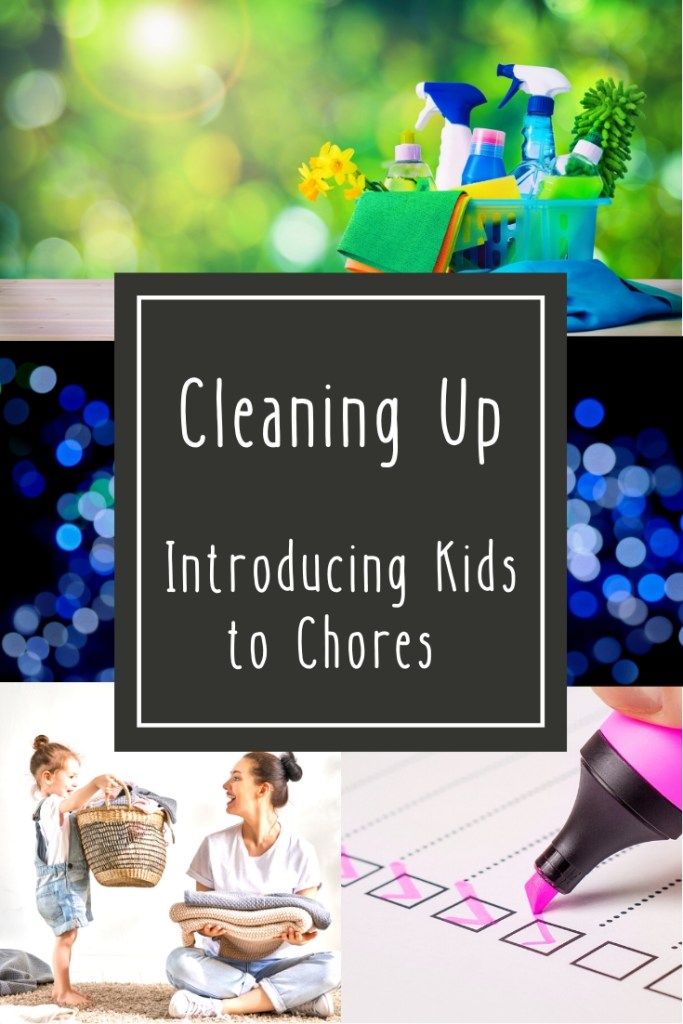
When our son turned 18 months, he started noticing us doing household chores. He would try to take utensils out of the dishwasher, attempt to push the vacuum cleaner by himself, and wipe down countertops. This makes sense since many play sets and toys mimic household activities and promote pretend play, like cooking, cleaning, and lawn care.
Pretend play is when a child will imitate what they see their adults doing. Does this mean that they are ready to do chores? Aren’t they too young to do this?
Continue reading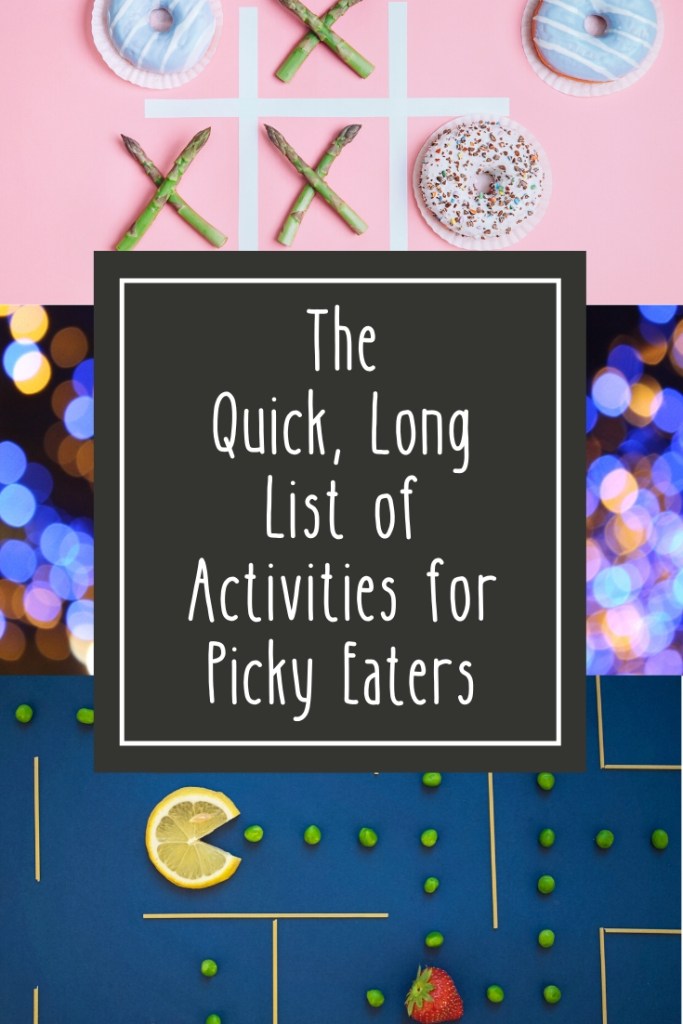
Picky eaters may need to see food from a different perspective. Playing with food may seem counterintuitive, but remember, eating at this age is about discovery. Give these activities a try:

Eating can be hard for a child. The moment a child begins to establish what they want (and don’t want) to eat, they attempt to express themselves in a multitude of ways that aren’t always straightforward.
Out of nowhere, they start to refuse what is on their plate for what could be an assortment of reasons. For some, they may only want the same foods with minimal taste (fries and chicken nuggets sound familiar?) or they’ll frequently seek out candy. Sometimes they may become messy eaters with food all over their face or constantly overstuffing their mouths with food.
From an OT perspective, there can be a few reasons for food aversion.
Continue reading
 Child(ish) Advice