Toddlers and the Power of Why

From the weather to why we brush our teeth, it’s almost like they can’t help themselves. It’s been covered in TV episodes and in cartoons. You can picture it even now. An exasperated parent being followed by a super-inquisitive toddler, relentlessly asking “why”.

Research reveals that kids ask around 40,000 questions between 2-4 years of age. Similar studies also found that some 4-year-olds ask about 200-300 questions DAILY. As taxing as their inquiries can be for us as parents, it’s a good thing! Questions and curiosity are good indicators of social and cognitive development.

Continue reading →
Child(ish) Reads: No-Drama Discipline

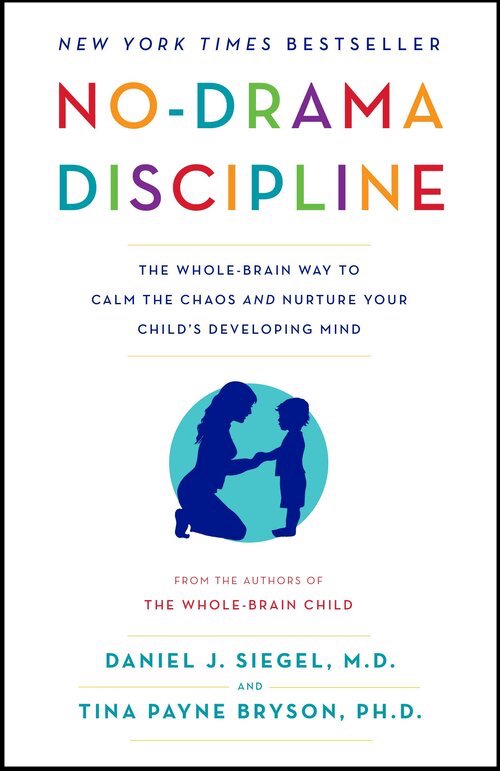
While The Whole-Brain Child is definitely an awesome approach to child-rearing, the neurobiology can be a bit of a bear to get through. For No-Drama Discipline, the authors zero in on disciplining with the Whole-Brain approach and the result seems to be much more practical (or at least as practical as neurodevelopment can be).

No-Drama Discipline: The Whole-Brain Way to Calm the Chaos and Nurture Your Child’s Developing Mind
by Daniel J. Siegel and Tina Payne Bryson

Continue reading →

Whole-Brain Book Resources

We hope you guys have gotten some useful insight and strategies as we worked our way through The Whole-Brain Approach. The original book, The Whole-Brain Child, was published in 2011 and has been translated into dozens of languages.

Since then, authors Dan Siegel and Tina Payne Bryson have written several books on implementing Whole-Brain principles, as well as new neuroscience-based research on child development and parenting.

Here is a list of other titles you can pick up:

Continue reading →

Course Notes: The Whole-Brain Child Approach, Pt. 5

Last week, we covered the following:

  • As our kids begin to acknowledge and address their emotions, they start realizing that situations can be complicated
  • How we, as parents, effect our kids as they make sense of their circumstances
  • Strategies on how to help our children integrate the many pieces of themselves

Home stretch! On to the last 2 strategies.

Continue reading →

Course Notes: The Whole-Brain Child Approach, Pt. 4

In Monday’s post, we discussed:

  • How our two types of memory (implicit and explicit) work together to recall an experience
  • What to do if an implicit memory (feelings, behavior, bodily sensations) is disconnected from its explicit memory (recall of an experience), resulting in an emotional flood 
  • Strengthening and integrating these memory pieces through daily practice 

Now that we’re caught up, let’s move to the next three strategies.

Continue reading →