Gen Z: A Cautionary Tale

A couple weeks ago, a study reported that we are entering a post-literate society: people simply aren’t reading books anymore. The horror!

Before that, there was a trend of managers sharing what their new Gen Z hires were saying/requesting/complaining about in the workplace. For shame!

And lest we forget the article about Gen Z never having completed an entire book during high school before showing up to college. WTF!

Gen Z carries a reputation that’s hard to ignore. Yes, they’re the most socially tolerant, entrepreneurial, tech‑fluent (to an extent), emotionally aware, and scientifically literate generation we’ve ever seen. But, they’re also routinely labeled as entitled, fragile, phone‑obsessed, socially awkward, overly sensitive, and unprepared for adulthood. Those criticisms show up everywhere, especially in headlines about academic struggles, resilience gaps, and workforce readiness. But context matters.

As we’ve been told many times, Gen Z’s identity has been shaped by an always‑on digital landscape, rising mental‑health challenges, and a level of societal instability no previous generation faced at the same age. Many of the behaviors older generations interpret as weakness or entitlement are actually signs of a generation growing up under unprecedented pressure. And that’s exactly why Gen Z has become a warning for parents raising younger kids today.

Continue reading
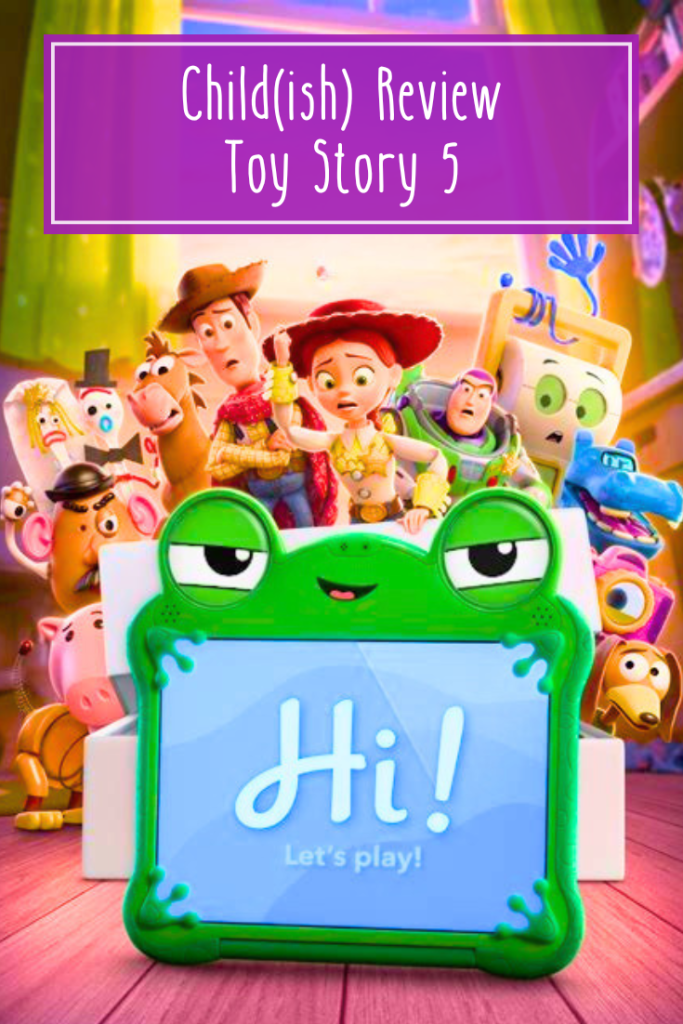
Child(ish) Review: Toy Story 5

I’ll be honest, I never really got into the Toy Story franchise. I know Woody, Buzz, and Jessie are beloved icons, but I just wasn’t into sitting down and watching the movies when they came out, and even now as a parent. So when Patti told me Toy Story 5 was coming out and I casually mentioned that I was indifferent, the gasp she let out was audible. For reference, the first Toy Story came out when we were 10.

But then the Toy Story 5 trailer dropped, Lilypad appeared on screen, and suddenly I was fully invested. In this installment, Bonnie is introduced to a new high‑tech tablet which completely disrupts the balance of playtime, forcing Jessie, Bullseye, Buzz, Woody and the rest of the gang to confront what it means to matter to a child in a digital age.

Toy Story 5 is essentially a child‑development case study wrapped in a Pixar movie. The film directly tackles themes that map onto core developmental domains: social-emotional growth, imaginative play, peer relationships, technology use, and the psychological experience of being “enough.”

Continue reading

OT Month: The Gen A Nervous System

A few months ago on Instagram, we ran into a ton of posts about how you can’t parent Gen A kids like they did in the 90’s because they have a different nervous system.

We thought it was an interesting claim; despite that when “influencers” copy the same material word-for-word, it’s usually a sign of clickbait. They even referred to kids having a “Digital Nervous System”, living in a high-speed brain environment.

Continue reading

Screen Time Revisited

We are definitely aware that too much screen time is bad for our kids. We’re familiar with the American Academy of Pediatrics (AAP) recommendations and attempt to follow them, sort of. But if your kid has ever complained about being bored, or if you are in a busy place and your kid is inconsolable, you know that the tablet, smartphone, or TV screen is your trusty go-to remedy.

And then 2020 happened. TV, movies, games, and remote learning were our saving grace from quarantine. Now that our society is re-establishing a new norm, what does this mean for children regarding screen time? Has anything changed?

Continue reading