Ultimate Mom Date/Girls’ Trip Review

I don’t know about you, but we’re obsessed with Real Housewives on vacation. Patti and I have even joked about recreating a few of them ourselves (minus the chaos, of course).

We’ve traveled together plenty over the years, but we had never taken a true girls’ trip. Not with a spouse, or other couples, or families; a real girl’s trip with 3+ adult women. This year, we finally made it happen with a getaway to Salem, MA, joined by Patti’s SIL and her best friend.

But honestly, the number of people doesn’t define a girls’ trip. It’s any intentional getaway shared between women, created for connection, fun, and a break from the everyday. Decidedly NOT a bachelorette. And for women in their midlife season, girls’ trips carry even more meaning because it meets the psychological, social, and biological needs that become more apparent in midlife.

Continue reading

The Art of Making Friends: Kid Edition

Humans are social creatures. For that reason alone, the way we engage and connect with others in different social contexts is an important occupation in everyday life. In occupational therapy, social participation refers to meaningful interactions with others in ways that foster emotional growth and confidence. For kids, it shows up in how they play with peers, take part in school and group activities, and how they form and maintain friendships.

Social skills span a wide and nuanced range of abilities that are a fundamental component of social participation. When it comes to friendships, they hinge on a set of social-emotional traits that help kids connect, resolve conflict, and build trust over time. These include:

Continue reading

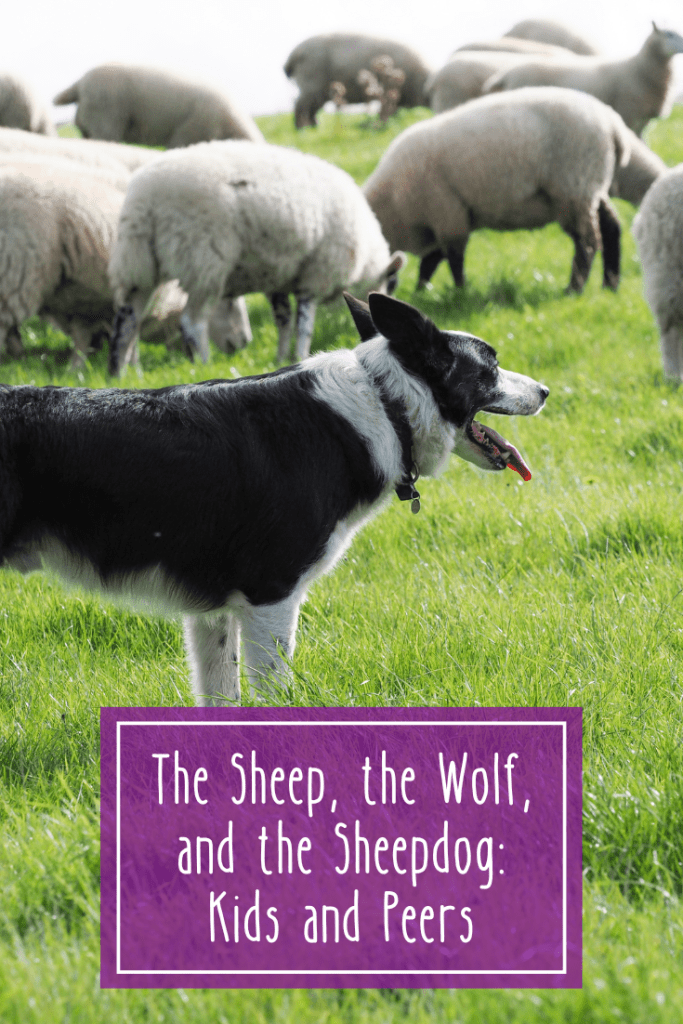
The Sheep, the Wolf, and the Sheepdog: Kids and Peers

There are three types of people in this world: sheep, wolves, and sheepdogs. – Wayne Kyle, American Sniper

My husband has used this analogy to explain certain types of people to our son ever since he was little. Granted, it is an oversimplified explanation of human nature, but it gets the point across. In our version of the metaphor, sheep are those who cannot defend themselves when harm comes their way, wolves take advantage of their vulnerability, and the sheepdog stands up and protects the sheep. It’s a visual way to tell him to be a decent human and not be a d*ck.

 While our son has long understood this concept, it’s becoming harder for him to follow. In fact, it feels like he’s exhibiting more wolf-like behavior these days. Turns out the shift between sheepdog and wolf mirrors the growing complexity of his social circle and how kids his age are dealing with the next level of social skills and challenges.

Continue reading

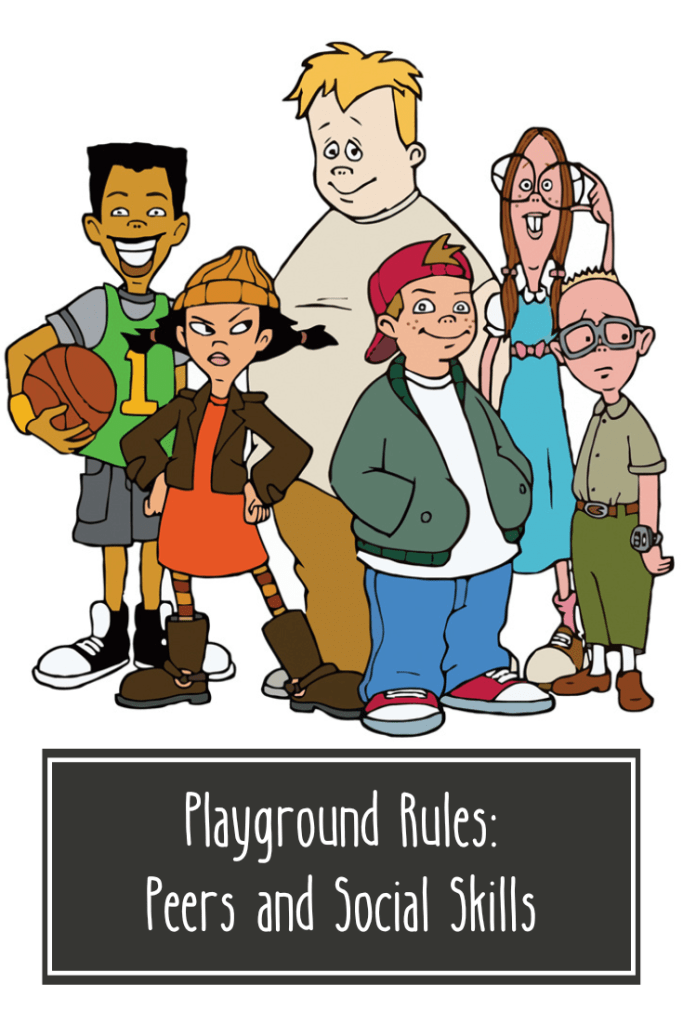
Playground Rules: Peers and Social Skills

Image credit: Recess

Parents can only do so much. In our kid’s early childhood, we try our best to teach and model everything they need to know to thrive. But eventually, they need to test their skills in real-life situations, and that’s most likely going to come on the playground.

When parents in the clinic would stress over their child’s social skills, I would say “playground rules,” meaning that kids best learn socialization in a setting with their peers and with limited interference from their parents. While the home serves as a training ground for trial and error, peers provide real-time feedback and refinement of those skills.

Continue reading

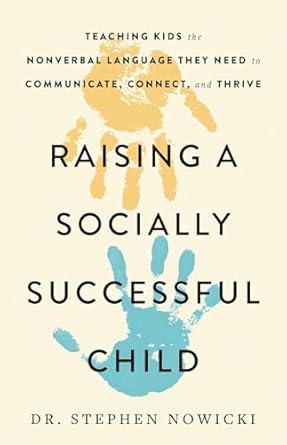
Child(ish) Reads: Raising A Socially Successful Child, Pt. II

When we say “socially successful”, we mean making friends. Yes, how our child conducts themselves in public spaces in a way that is socially acceptable is one thing. Manners and etiquette are explicitly taught.

However, making friends is not exactly easy for most. Confidence, self-esteem, temperament; these all factor into the process personally. But then there is the reciprocation, the two-way street. Does this person like me back?

In Raising a Socially Successful Child, Dr. Stephen Nowicki explains the Friendship process; the different stages of how we start and maintain relationships.

Continue reading