Kids and the Concept of Love

“I’m in love.”
“No, you’re not. You don’t know what love is. You love cupcakes and ponies.” – Steve Byrne, The Byrne Identity

Kids are funny when it comes to love. Adults see it as a deep emotional connection, but children are still figuring out what that feeling even is. They might say “I love you” to a parent, announce plans to marry a playground friend, or juggle “relationships” with multiple classmates. They hug with their whole bodies and may even offer a kiss simply because they don’t know another way to show affection.

Kids may not fully grasp what love means, but they’re learning how it feels, how to express it, and how to set safe boundaries—and that learning begins from the moment they’re born.

Continue reading
Playground Rules: Peers and Social Skills

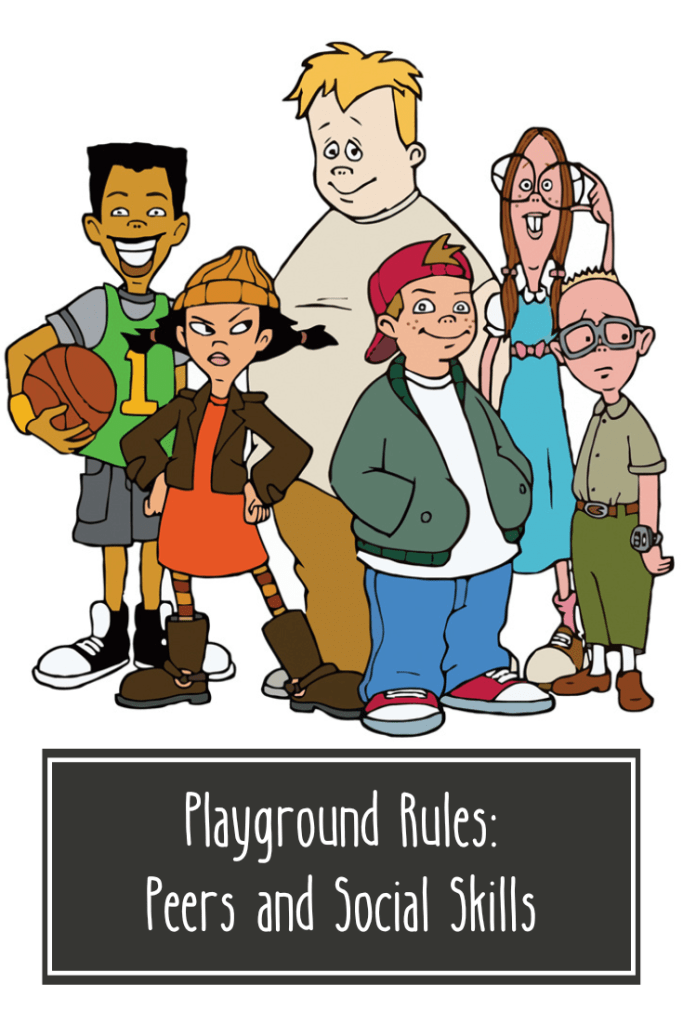
Image credit: Recess

Parents can only do so much. In our kid’s early childhood, we try our best to teach and model everything they need to know to thrive. But eventually, they need to test their skills in real-life situations, and that’s most likely going to come on the playground.

When parents in the clinic would stress over their child’s social skills, I would say “playground rules,” meaning that kids best learn socialization in a setting with their peers and with limited interference from their parents. While the home serves as a training ground for trial and error, peers provide real-time feedback and refinement of those skills.

Continue reading

Course Notes: Social and Emotional Development, pt.2

Social and emotional development involves gaining the capacity to understand, manage, and express. One way to guide its growth is with social and emotional learning (SEL). While this systematic approach is often seen in educational settings, it can be applied across the lifespan.

There are five competencies in this area, also known as the CASEL 5. They are:

  • Self-awareness – recognize one’s own emotions/thoughts/interests/values, how these qualities influence actions, as well as maintaining a positive self-view and belief in abilties
  • Self-management – regulate emotions/thoughts/behaviors in different situations, handle stress and resist urges, and set goals
  • Social awareness understand subtle social/cultural rules and norms, considers other perspectives, show respect and empathy towards others
  • Relationship skills – establish and maintain relationships with others, resist negative social pressure, work well with others, prevent and solve conflicts with others, seek help when needed
  • Responsible decision making – accurately identify and evaluate problems, make decisions based on ethical and social norms, consider context when making decisions, contribute positively to the community

These skills enable us to maintain a healthy self-perception, manage stress effectively, comprehend others, and collaborate to support the community.

Continue reading

Course Notes: Social and Emotional Development, Pt. 1

Being an OT-forward blog, we’ve written a lot about motor and cognitive development, but what about the social and emotional?

My most recent course focused on just that: Social and Emotional Development – Therapeutic Interventions for Children, Birth Through Adolescence. From that seminar, we think it would be helpful for many parents to understand how social and emotional development builds as our kids get older, similar to all those Development Milestones we watch so closely.

Social and emotional development refers to a child’s ability to understand who they are, what they are feeling, and how to navigate social interactions. These skills are essential for forming and maintaining positive relationships, expressing and managing emotions, and effectively exploring and engaging with their surroundings and other people.

Continue reading

Why You Gotta Be So Mean?: Kids and Aggression

From rough housing to name calling and everything in between, children showcase a spectrum of aggression. While it may be for fun, it can be downright vicious in certain circumstances. Babies start showing these behaviors around 8-12 months of age to express their frustrations; but it starts to diminish when they learn appropriate means to express and acquire their wants/needs. However, school-aged children can take it to another level.

Continue reading