Don’t Hold Your Breath: Deep Breathing to Regulate

We know it’s important to breathe. Aside from a beating heart, it lets us know that we’re still alive. But it’s also an indicator of how we are doing internally.

From our last yoga post, breathing serves as a reflection of our emotional state, stress level, and state of mind. In our rhythm and timing post, we talked about how the brain structures that are responsible for timing are also linked to the regulation of our emotions, behavior, and arousal. By controlling our breath, we not only alter our mood, but also our rhythm and timing. But how do we teach our kids how to breathe? Don’t they just do it?

For this post, we’re focusing on breathing techniques to calm kids down in moments of stress or high arousal.

Continue reading

Perfect Timing: Rhythm, Timing, and the Brain

Timing is everything. For the most part, that statement is true.

Everything we do requires rhythm and timing. EVERYTHING. Think about it: walking, talking, reading this sentence, etc. It all relies on a pace and a pattern to complete them.

We’ve talked in previous posts about body awareness and how it affects bilateral coordination and motor planning, but rhythm and timing ensures that those movements are fluid when interacting with objects and people around us. Most of the time, you hardly notice it until you have a clumsy moment walking or stuttering over your words when in conversation.

Continue reading

In the Line of Fire: How to Handle All Those Why Questions

In our last post, we examined why toddlers and preschoolers ask A LOT of questions and shared ways to encourage their curiosity and cognitive development. But from my personal experience (like many other parents out there), patience and understanding during this phase can wear thin. Every now and then, we resort to “I don’t know, ask your father/mom” or “Because it just is,” simply in hopes to make the questions end.

Yeah, we know it’s not the best move and the last thing we want is for our kids to completely stop asking questions all together. So, how can we tolerate the barrage of questions without losing our cool?

Continue reading

From Only to First: Siblings

Your first born is everything. Your mini-me gets all that love and attention without any real competition (except maybe from the dog). But then, your only child becomes a big sibling. As excited as you are to grow your family, you wonder how your kid will be with their new brother/sister. You can’t help but feel guilty knowing that all that time you spent with them will soon be limited with the arrival of a new baby. Despite these worries, the second child is on its way and your first born will be an influence in their little sibling’s life, whether they want one or not.

Continue reading

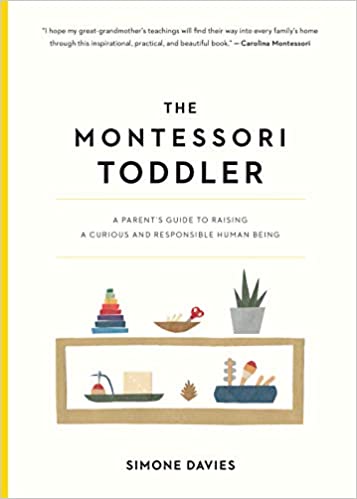
Child(ish) Reads: The Montessori Toddler

I purchased The Montessori Toddler about a year ago. I have never planned on sending my kids to a Montessori school or daycare, and neither my husband or I have ever attended a Montessori school. I was interested in this topic because it’s a huge parenting buzzword; a whole philosophy on a better way to raise kids.

With all of our Childish Reads books, I expected to have a few key points or gems to takeaway. But TBH, I was a bit disappointed.

Continue reading