AI and Learning

Photo credit: A.I. Artificial Intelligence, Warner Brothers.

AI is everywhere.

It’s woven into many systems we interact with daily, often quietly in the background, shaping how information, services, and digital tools respond to us. From search engines and virtual assistants to streaming platforms and “listening” smartphones, AI has increasingly taken on tasks that rely on prediction, personalization, and pattern recognition.

AI’s influence is also reshaping what children learn, how they learn, and the teaching methods that are practiced in today’s classroom. A 2026 report found that AI can boost learning when it’s used alongside effective teaching, expanding access to students with disabilities, multilingual learners, and neurodivergence. It can also reduce teacher workload so instructors can give students more individualized attention. However, without clear safeguards, AI could reduce student agency, weaken meaningful learning, and hinder their emotional well‑being.

Continue reading

Attention Span and Learning

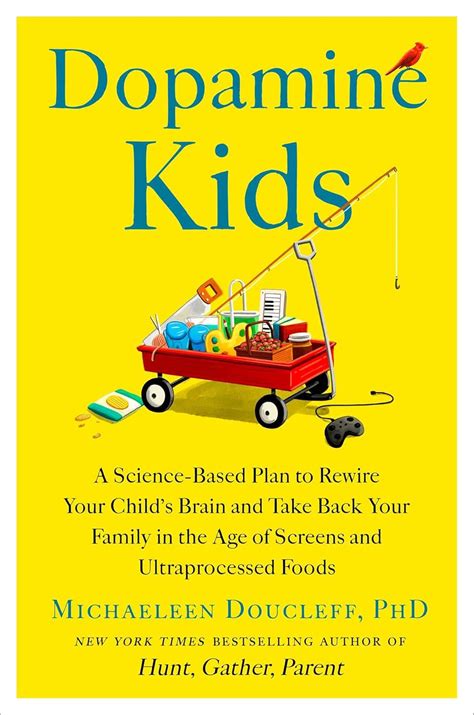
Before a child can remember a story, solve a problem, or follow a direction, their brain must stay with the task long enough to take it in. Their ability to focus, shift, and sustain attention shapes how well they absorb information, make connections, and build new skills.

However, a growing body of research points to shorter attention spans among young children, especially in the early grades. Studies of children ages 7–12 reveal measurable declines in sustained attention, including a reported 27.4% drop during continuous-focus tasks. Teachers echo these findings, noting that many students now struggle to stay engaged for more than 10–15 minutes. Oh, and did we mention that reading stamina has dropped as well?

We know what you’re thinking. “Surely, this won’t be MY child…”
But then you notice exactly how often you’ve had to repeat or remind or redirect your kid, over… and over…and over again.
And suddenly, “Is this f’n play about us?”

Attention is critical for learning because it’s the gateway skill that makes all other learning possible. Without it, nothing can truly stick.

Continue reading

Holiday Gift Guide 2025: Elementary Kids, Ages 6-9

Kids ages 6–9 are growing fast mentally, socially, and physically. They start reading independently, grasp abstract ideas, and enjoy creative and group play. Friendships deepen, empathy emerges, and they seek approval from peers. Motor skills sharpen, and they take pride in accomplishments. Gifts for this age group balance autonomy with guidance, and encourage curiosity, connection, and confidence.

Continue reading

Holiday Gift Guide: Preschoolers, Ages 3-5

Between ages 3 and 5, children rapidly grow as curious problem-solvers, expressive communicators, and imaginative players. They build friendships, develop empathy, and gain physical independence. This all lays a strong foundation for school readiness and future learning.

Continue reading

Holiday Gift Guide 2025: Infants and Toddlers

October is behind us, which means it’s officially wish list season. Sorting through the avalanche of toys and games online and in catalogs can feel more than a little overwhelming. I’ll be honest: narrowing down our favorites wasn’t easy. So yes, our list is on the larger side this year. But in our defense, every pick earned its spot.

To make the Child(ish) Advice list, we researched:

  • Is it cool and new?
  • Does it support child development?
  • Does it stand out from all the rest?
  • What do the reviews say about durability and practicality?

This year, we’ve grouped our favorites by target age and by category. First up, infants and toddlers.

Continue reading