
Winter is finally starting to thaw, and spring is just around the corner. As the days warm up and the trees and flowers burst back into color, allergy season ramps up right along with them. For many people (including myself), those first blooms also bring sneezing, itching, and watery eyes. Whether the trigger is pollen or another allergen, it’s often enough to have us reaching for Benadryl, Allegra, Claritin, Zyrtec, pick your poison.
Continue readingBody Awareness
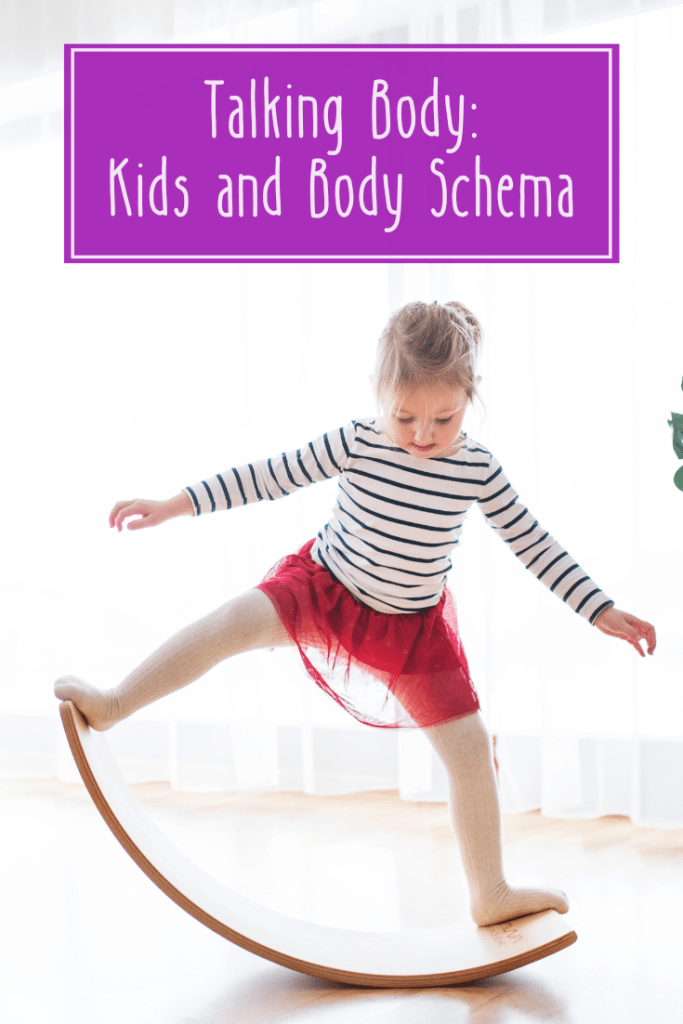
Talking Body: Kids and Body Schema
Kids have an enormous amount to learn, but before they can take on reading, writing, math, social skills, or even coordinated movement, they need a basic sense of themselves.
As children develop, it takes years for them to truly understand themselves—the “me I feel inside,” the “me others see,” and the “me I’m becoming.” That long process begins much earlier than most people realize. It starts when the brain first learns the physical boundaries of the body.
Those early signals (movement, balance, joint and muscle feedback, and deep pressure) are the “me sensations.” They give the brain its first clues about where the body begins and ends. Over time, these sensations fill in the brain’s internal “map of me,” the foundation for later self‑awareness, confidence, and coordinated movement.
Continue readingInteroception: Inner Workings
If your child is fidgeting in their seat, grouchy, or on edge, it’s easy to assume that they need a sensory fix to regulate themselves. However, if this happens on a regular basis, there could be more to it.
Interoception is our sense that handles the internal body sensations coming from our organs (including our skin). As our organs deliver signals to the brain (stomach growling, dry mouth, droopy eyes, etc), the brain gives meaning to these indicators (hunger, thirst, fatigue) and addresses them appropriately (eat, drink, sleep). These sensations and responses can vary from person to person.
Continue readingPerfect Timing: Rhythm, Timing, and the Brain
Timing is everything. For the most part, that statement is true.
Everything we do requires rhythm and timing. EVERYTHING. Think about it: walking, talking, reading this sentence, etc. It all relies on a pace and a pattern to complete them.
We’ve talked in previous posts about body awareness and how it affects bilateral coordination and motor planning, but rhythm and timing ensures that those movements are fluid when interacting with objects and people around us. Most of the time, you hardly notice it until you have a clumsy moment walking or stuttering over your words when in conversation.
Continue readingThe Interoception System – Listen to Your Body
Listen to your body. We hear this phrase often, especially when we are tired or stressed, as a signal to take it easy. More recently, I’ve been using it during potty training (a whole other post…) to help my son identify when it’s time to start heading to the bathroom. In fact, “listening to ourselves” is an entire system dedicated to letting us know what our bodies genuinely need, from sustenance to sleep, to maintain optimal operations.
Continue reading


