Have you watched Bluey?

I first heard about this show last year. A friend had asked if we had seen it and suggested that we (and our son) would enjoy it. I was 5 months pregnant at the time and our son was becoming bored with the usual suspects: Team Umizoomi, Paw Patrol, Blues Clues, Blaze, and Bubble Guppies. So why not give it a try?

The world of kid’s TV is crammed with numbers, letters, and constant drilling of basic academics. Bluey brings none of that to the table. I was impressed to see that each 7-minute episode is jammed packed with humor, imagination, and lessons in parenting. Yes, parenting.

Continue reading →
Whole-Brain and No-Drama Podcast Playlist

As we close out The Whole-Brain Approach, we wanted to give you some recent podcast episodes with authors Dan Siegel and Tina Payne Bryson. You didn’t think we just did books, did you?

Continue reading →

Child(ish) Reads: No-Drama Discipline

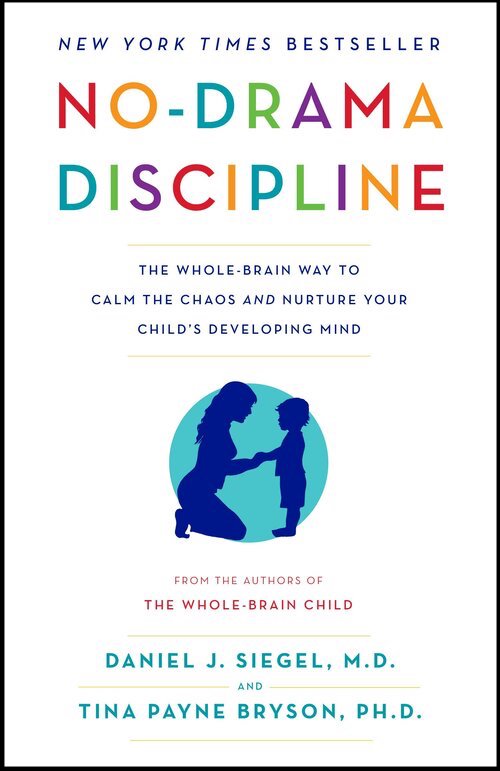
While The Whole-Brain Child is definitely an awesome approach to child-rearing, the neurobiology can be a bit of a bear to get through. For No-Drama Discipline, the authors zero in on disciplining with the Whole-Brain approach and the result seems to be much more practical (or at least as practical as neurodevelopment can be).

No-Drama Discipline: The Whole-Brain Way to Calm the Chaos and Nurture Your Child’s Developing Mind
by Daniel J. Siegel and Tina Payne Bryson

Continue reading →

Whole-Brain Book Resources

We hope you guys have gotten some useful insight and strategies as we worked our way through The Whole-Brain Approach. The original book, The Whole-Brain Child, was published in 2011 and has been translated into dozens of languages.

Since then, authors Dan Siegel and Tina Payne Bryson have written several books on implementing Whole-Brain principles, as well as new neuroscience-based research on child development and parenting.

Here is a list of other titles you can pick up:

Continue reading →

Course Notes: The Whole-Brain Child Approach, Pt. 5

Last week, we covered the following:

  • As our kids begin to acknowledge and address their emotions, they start realizing that situations can be complicated
  • How we, as parents, effect our kids as they make sense of their circumstances
  • Strategies on how to help our children integrate the many pieces of themselves

Home stretch! On to the last 2 strategies.

Continue reading →