Willy Wonka Series: Violet Beauregarde

My mom was a tiger mom. She demanded excellence and if any of my friends were better at a sport or skill than I was, she pushed me to do better. That meant hours dedicated to practicing piano, hours perfecting dance routines, and hours studying to get grades that she could be proud of. Not only did this add more stress on me as a kid, but it also placed tension on my friendships because it always became some sort of unnecessary competition.

For Violet Beauregarde, her story was never really about gum chewing. The spirit of competition and need to be the best or the first runs deep with her. The 2005 movie does a more obvious job of showing this caricature.

Continue reading

Willy Wonka Series: Mike Teavee

The 1971 movie Willy Wonka and the Chocolate Factory is probably one of my top fave movies of all time. I mean, a candy factory tour, singing Oompa-Loompas, and the occasional dark comedy comeuppance? Yes.

Over the years, the movies and the book by Roald Dahl are almost a cautionary tale about unchecked poor behavior in kids. To foil with innocent main character Charlie, we see four other children representing overconsumption, competition, spoiledness, and tv addiction and their consequent ejection from chocolate factory when they give into them. So in the spirit of Halloween and lots of candy, we’re taking a deep dive into these characters and how these negative traits can develop in real life. First up, Mike Teavee.

Continue reading

Child(ish) Reads: But You’re Still So Young

So in case you haven’t noticed, this blog is run by two Millennial moms and we lean into it hard. For this Child(ish) Read, I chose this book because I wanted to learn more about Millennial thinking and sociology; specifically about the reasons we are the way we are and how this directly affects how we parent.

But You’re Still So Young: How Thirtysomethings Are Redefining Adulthood
by Kayleen Schaefer

Continue reading

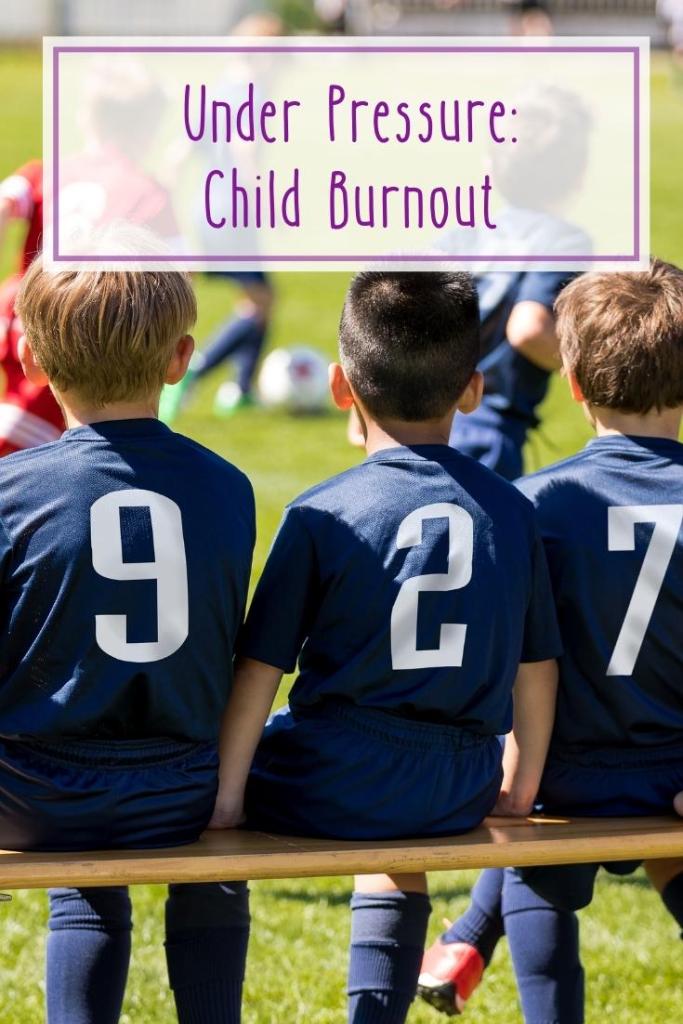
Under Pressure: Child Burnout

Our kids can only handle so much.

As parents, we want to give as many opportunities as possible to succeed. We place them in structured activities, enroll them in after school classes and extracurriculars, and take them to new places to gain new experiences. Despite our good intentions, we can go overboard and it’s only a matter of time until our kids finally reach a breaking point.

Similar to adults having burnout, child burnout is the product of continuous, unmanaged stress. They may be overscheduled with too many activities and not enough rest in between. Or they just might be overloaded from people, directions, and physical exertion. Burnout affects their ability to process and reflect on their day, that then snowballs into anxiety and overwhelm. Their motivation and interest in even their favorite things can drop.

Continue reading

Executive Function: Parent Homework

We’ve been talking about executive function heavily for the past couple weeks, so by now you should have a grasp on how it all works. But, what does this mean for us as parents?

Executive functions aren’t concrete, fast skills to learn, but they do need to be pointed out intentionally as you go along. We’re not asking you to put something entirely new on your plate, but instead become more intentional with the activities and experiences you do with your kids.

Continue reading