Love Letters #1: Handwriting in the 21st Century

This is the first post in our Love Letters Series about the importance of handwriting.

Love Letters: Handwriting in the 21st Century

Everything is digital nowadays. Smart phones, tablets, touch screen monitors…all you need to do is swipe, tap, or “sign” with a finger and you’re good to go. Typing and voice-to-text software have substituted one’s need to put pen to paper. 

With all this technology, it’s hard to determine handwriting’s place in the world and in child development. So, it begs the question: why do children need to learn handwriting? 

Handwriting is considered a fading practice as computers and tablets enter the academic arena. Teachers today spend less time on handwriting instruction. However, handwriting still consumes much of a student’s school day, spending 25-50% of their class time engaged in paper-and-pencil tasks. 

Continue reading →
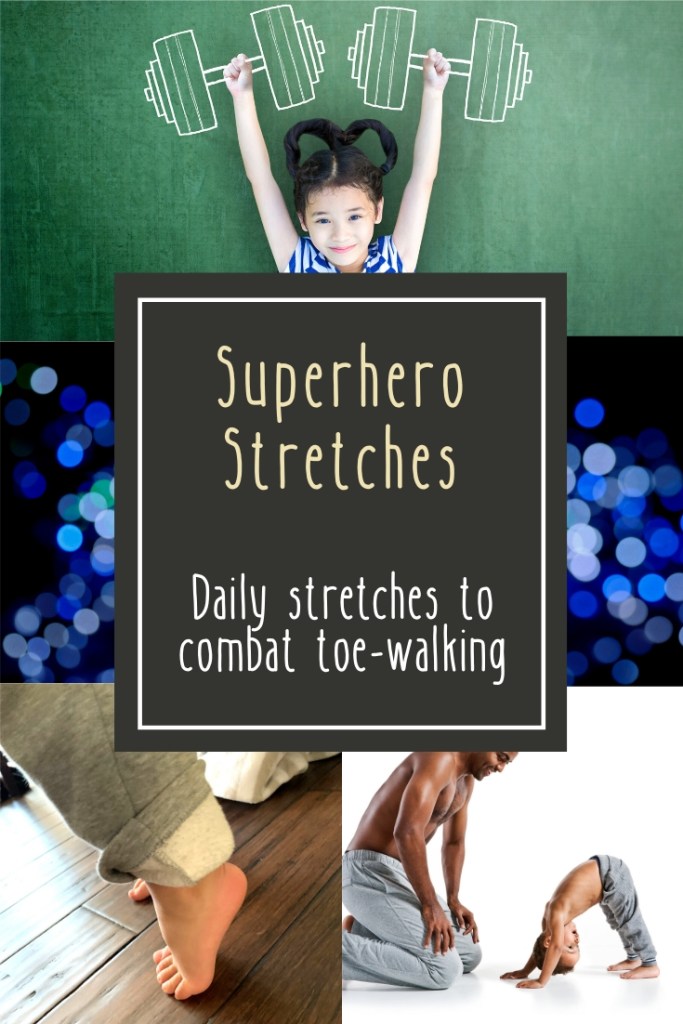
Superhero Stretches: Stretches for the Toe-Walker

The goal for these stretches is to lengthen the lower leg muscles as well as strengthen the front leg muscles. Do these daily. Remember: These stretches should not be painful. 

Continue reading →

Tippy Toes: The Deal with Toe-Walking

Toe-walking is exactly how it sounds, when a child primarily walks on the balls of their feet or on their toes, instead of using their whole foot. This is typical when a child is learning to walk independently. Children usually outgrow it before 3, as they develop a consistent stride and heel strike. 

However, some children continue to toe-walk for no immediate reason at all. This is known as idiopathic toe-walking. This means that, though a child frequently walks and balances on their toes, they can still physically keep up with their peers, walk with straight knees, and can stand with their feet flat on the ground. Idiopathic toe-walking has been estimated to occur in 7% to 24% of the childhood population.

Continue reading →

The Less-Stress Mess

Following up on this week’s Tactile Response post, here is a fun activity to try. This can be done with children of all ages and helpful for those who may have an over-responsive tactile system.  This activity gradually introduces various substances or textures. 

Materials:

  • Ziploc bags
  • A base substance, such as finger paint, shaving cream, or lotion
  • Optional:
    Other small objects to add texture like rice, beans, buttons, or beads
    Food Coloring
    Large Spoon
    Cookie Tray
Continue reading →

Can’t Touch This…

Full disclosure: I hate hate HATE the feel of certain textures.

I hate them so much so that I will find ways to avoid touching them. I will never play in mud. I refuse to clean out a pumpkin. The thought of kneading dough or mixing raw meat with my hands freaks me out. I will use a fork and knife to eat BBQ ribs or chicken wings because the feel of the sauces of my fingers genuinely stresses me out. 

As odd as this is, I’m not the only one. We may know kids that can’t stand the tags on shirts, the feel of sand on their hands, or when paint or glue get on their skin. Why? It’s an overresponsive tactile system. 

Continue reading →