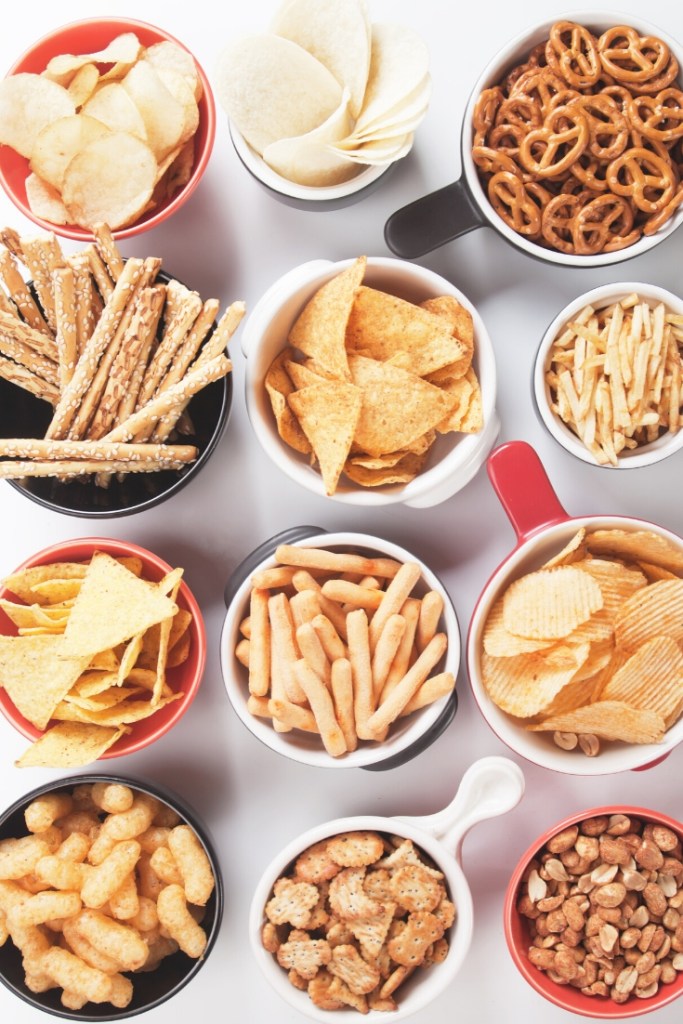
Food Wars: Eating from an OT Perspective

Eating can be hard for a child. The moment a child begins to establish what they want (and don’t want) to eat, they attempt to express themselves in a multitude of ways that aren’t always straightforward. 

Out of nowhere, they start to refuse what is on their plate for what could be an assortment of reasons. For some, they may only want the same foods with minimal taste (fries and chicken nuggets sound familiar?) or they’ll frequently seek out candy. Sometimes they may become messy eaters with food all over their face or constantly overstuffing their mouths with food. 

From an OT perspective, there can be a few reasons for food aversion. 

Continue reading

Treat Yourself: An Oral Sensory and Motor Tip

When babies are born, they have an automatic response to suck, allowing them to feed. Considered their first oral-motor skill, sucking also strengthens the muscles in the mouth and jaw, building toward biting, crunching, chewing, and licking. 

Kids who rely on sucking or chewing to focus or calm themselves may seek to do this on inedible objects, like pens/pencils or shirt sleeves/collars. If this is the case for your child, try this super tasty tip to provide more appropriate alternatives for chewers and suckers.

Continue reading

child(ish) Q & A: Pacifiers

Pacifiers are great soothers for a newborn, but could pose problems when a child gets older. When is it no longer necessary and when does it become a problem? Here’s a guide to the ins and outs of pacifiers: 

What is a pacifier?

Called by many cute names (Binky, Paci, bah-bah), a pacifier is a tool designed to soothe infants when they are crying. They are useful for satisfying the sucking reflex necessary for newborn feeding, reducing the risk of SIDS (Sudden Infant Death Syndrome) when napping or sleeping, and they help children learn to self-soothe. 
For this post we are only talking about rubber/plastic/silicone pacifiers. We also aren’t covering teething for this post. If you have any questions, please leave us a note in the comments.

Continue reading

Bare Feet Were Made for Walking

Baby shoes are beyond adorable, but in truth, they are not necessary. In fact, they may hinder your toddler’s development with walking.

When a baby is born, the bones in their feet are still hardening. Wearing shoes at such a young age may alter their developmental growth, conforming the foot to the shape of the shoe rather than the needs of their environment. In addition, thick soles found in some shoes restrict the range of movement necessary to learn how to walk.

Continue reading