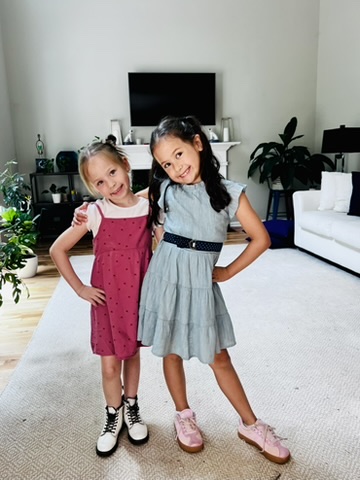
This year will be the fourth year in our elementary school, with A&Z starting second grade. I definitely thought this year was going to be old hat, but of course something new pops up that wasn’t even on my radar.
Continue reading
This year will be the fourth year in our elementary school, with A&Z starting second grade. I definitely thought this year was going to be old hat, but of course something new pops up that wasn’t even on my radar.
Continue readingEvery night, not unusually, Troy and I read to A&Z before bed. We had done a bit of a library purge and made sure that they had a variety of Early Reader and Beginner Chapter books, having already gone through all of our picture books. Now that the girls were older, I wanted to make sure the girls were being challenged by the material, instead of reading the same books over and over.
We switched to reading aloud together and let the girls alternate pages or passages. That’s when what used to be an understandable gap turned into one of our kids falling behind.
Continue reading
Of course for Back-to-School month we’re reviewing a school(ish) book. This one thankfully is a much more productive read than last year’s. I received an advance copy of A+ Parenting via NetGalley. Technically the book came out in October 2023, so I hope NetGalley will forgive my tragically late feedback.
Summary: Eva Moskowitz has built a national reputation as the founder and leader of Success Academy Charter Schools, one of the country’s most highly regarded networks of schools. But while most people know Eva for her success in educating 20,000 mainly low-income students who are routinely accepted to our nation’s best universities, she has also been responsible for raising three children of her own. In A+ Parenting, Eva shares what she has learned both as a parent and an educator about raising children to be enthusiastic and successful learners.
Continue readingIt’s our last week of summer vacation. We’ve bought our school supplies, gotten our end-of-summer haircuts, and Open House is in a couple days. To close out the season, we’re sharing our end-of-summer Things We Loved before jumping into Back-To-School and regularly scheduled content next week.

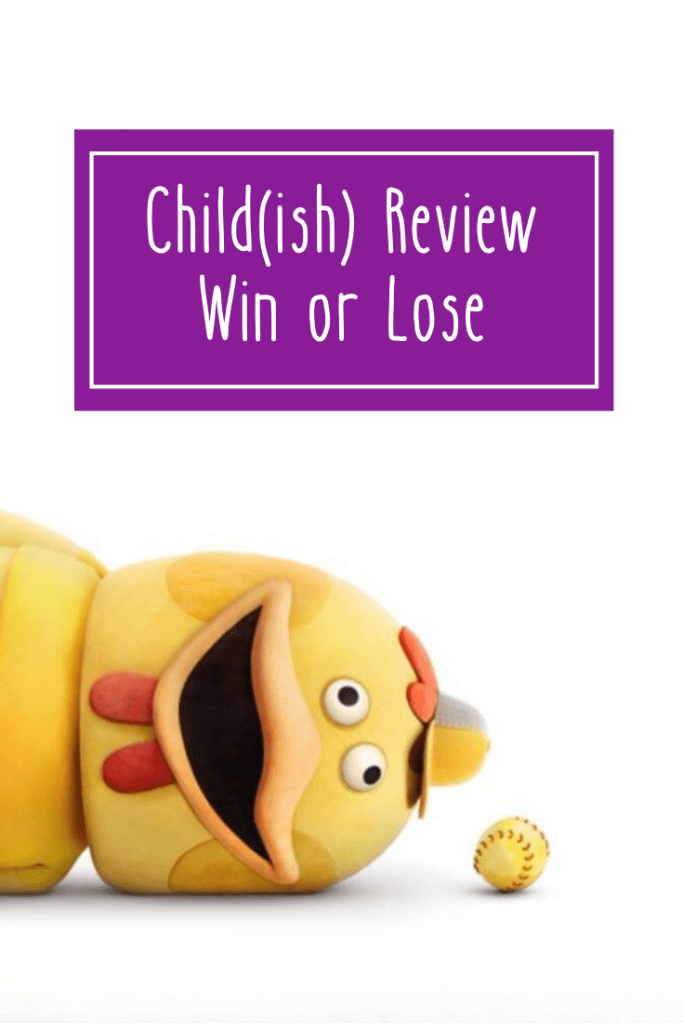
Leave it to Pixar to effortlessly explain complex situations to kids. In the new long-form animated series Win or Lose, their animation team delivers the concept of “Everyone is going through something you have no idea about”.
The show centers around The Pickles, a middle school co-ed softball team in the week leading up to their big championship game. Each episode focuses on an individual character’s point of view and how their personal lives shape their perception of the team, school, and home. Laurie, the coach’s daughter, stresses over how to contribute to the team and make her father proud. Kai, the star player, pushes herself to the limits to avoid her dad’s criticism. Rochelle does whatever to make money so she can play next season. The series explores how different characters grapple with pressure and insecurity – whether it’s to seek approval, perfection, or stability.
Continue reading Child(ish) Advice