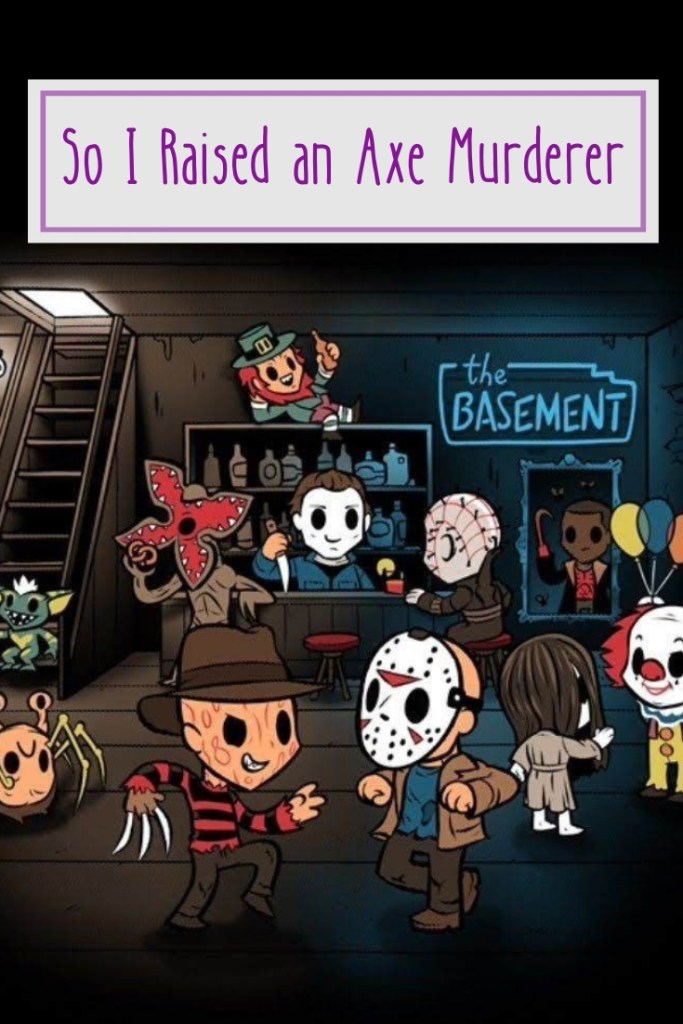
So I Raised an Axe Murderer

Cannot find art origin. If this is yours, let us know!

Sometimes we wonder if we’re raising our kids to be good humans. We question if we may have been too harsh or hot-tempered in the moment, and that our actions will leave our kids with permanent emotional scars. We worry that if we don’t get this parenting thing right, our children may become one of those psycho killers in a slasher movie. I recall sobbing to one of my friends that my then 2-year-old son was going to grow up to be a serial killer because I yelled at him one time.

Continue reading

Expectation vs Reality: Table Manners

“Eat dinner as a family”, they said.

“It’ll help boost morale and connection with your kids,” they said.

“It’ll be a great time had by all,” they said.

Then why do we feel like we’re banging our heads up against the wall when our kid’s behavior and manners at the table are like a scene out of Gremlins? Well, no one said it was going to be easy (and if they did, they are liars).

Family dinners have been a cultural norm in the US for decades. But all those wholesome Norman Rockwell scenes of sitting together and politely eating a meal are not the realities of what we ACTUALLY experience on a daily basis right now. In fact, it’s quite the opposite (kids getting in and out of chairs, refusing to eat their food, spills/messes on the floor, you and your spouse trying to talk over the calamity, etc).

Continue reading

Jumping Rope

After our cartwheeling post, we started thinking about all the other recess activities we used to do in grade school: hanging on monkey bars, playing a rousing game of 4-Square, or that one week where it seemed everyone wanted to jump rope.

Although the jump roping origins is unclear, we do know it was brought over by the Dutch in the late 1600s. Kids were jumping and developing games with songs to keep themselves occupied. Some used two ropes, explaining where the term Double Dutch came from. As it gained popularity, kids would use any material (clotheslines, braided rope, etc.) they could find to make a rope and play with their friends. Unfortunately in the 1950s, with the expansion of television and radio, kids began spending more time indoors.

Now, if you peruse the internet about jumping or skipping rope, you’ll find that this pastime has generally been rebranded as a great cardio workout (Woohoo, Jump Rope for Heart). No doubt it is, but let’s talk about what else it can do for our kids’ development.

Continue reading

The Art of the Cartwheel

Last summer, in our gymnastics summer camp era, Patti found a flyer for a short Parks and Rec Cartwheel camp. Her girls were too young for it, but got us thinking: what skills do you need to perform a cartwheel?

Growing up, no one instructed us how to do a cartwheel or somersault or handspring, or any of those moves. We just saw a girl do it on the playground and we copied until we got it right. We also watched a lot of Shannon Miller and the US Olympic gymnastics team.

Cartwheels are a combination of different movements that require body awareness, coordination, and balance. Even if your kid isn’t enrolled in tumbling or gymnastics, a cartwheel is common enough to try as they learn and master more motor skills. They are also a good challenge, especially if they see their friend or someone else do it.

Continue reading

It’s Worth the Risk: Risky Play

Play is important. That’s a given. Kids engage in play daily to make sense of their environment, while indirectly developing new skills and feeding their sensory needs. Although we are perfectly fine with our children playing with toys or with their friends, there’s one type of play that sets a lot of parents on edge: risky play.

Continue reading