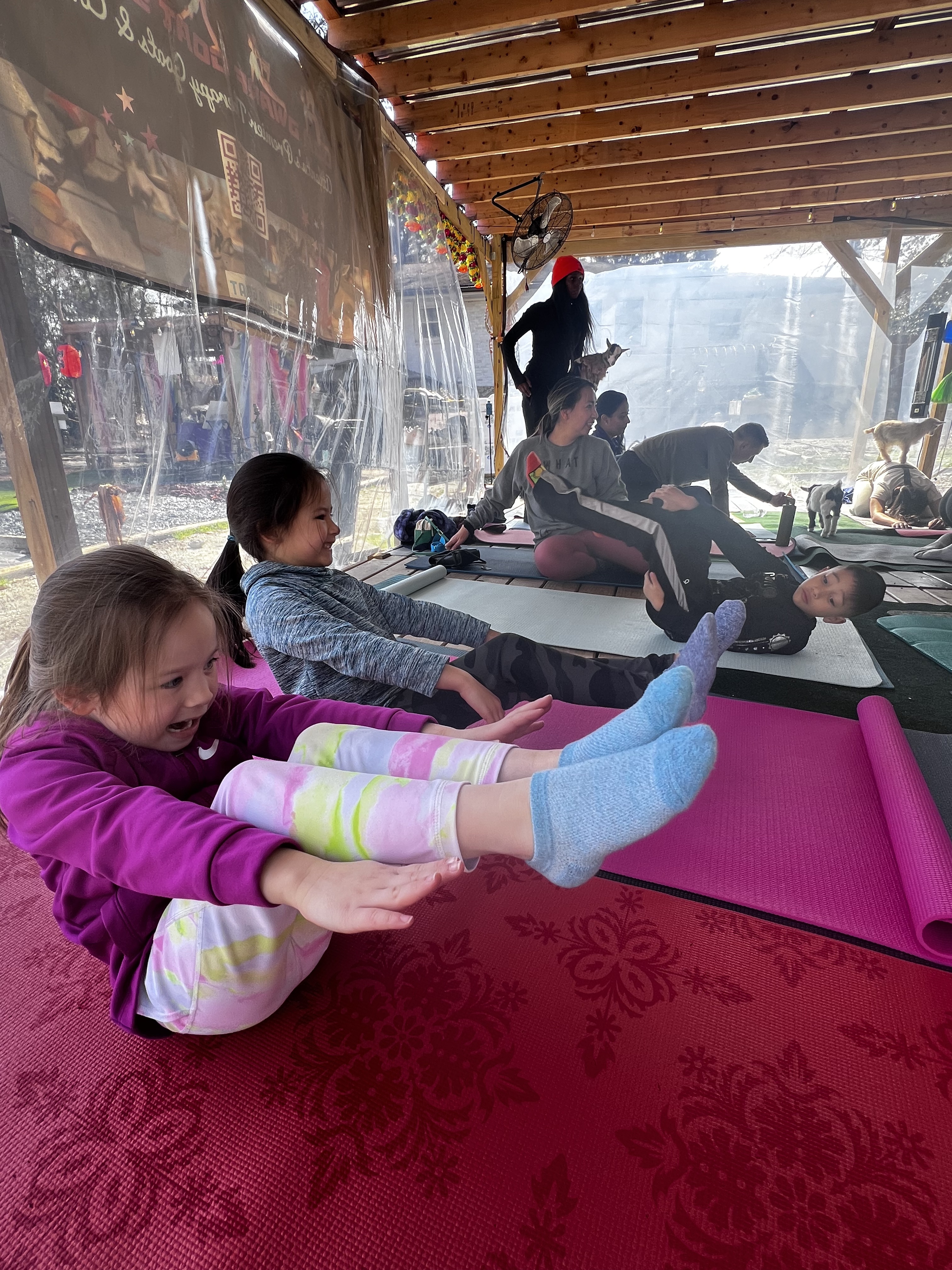
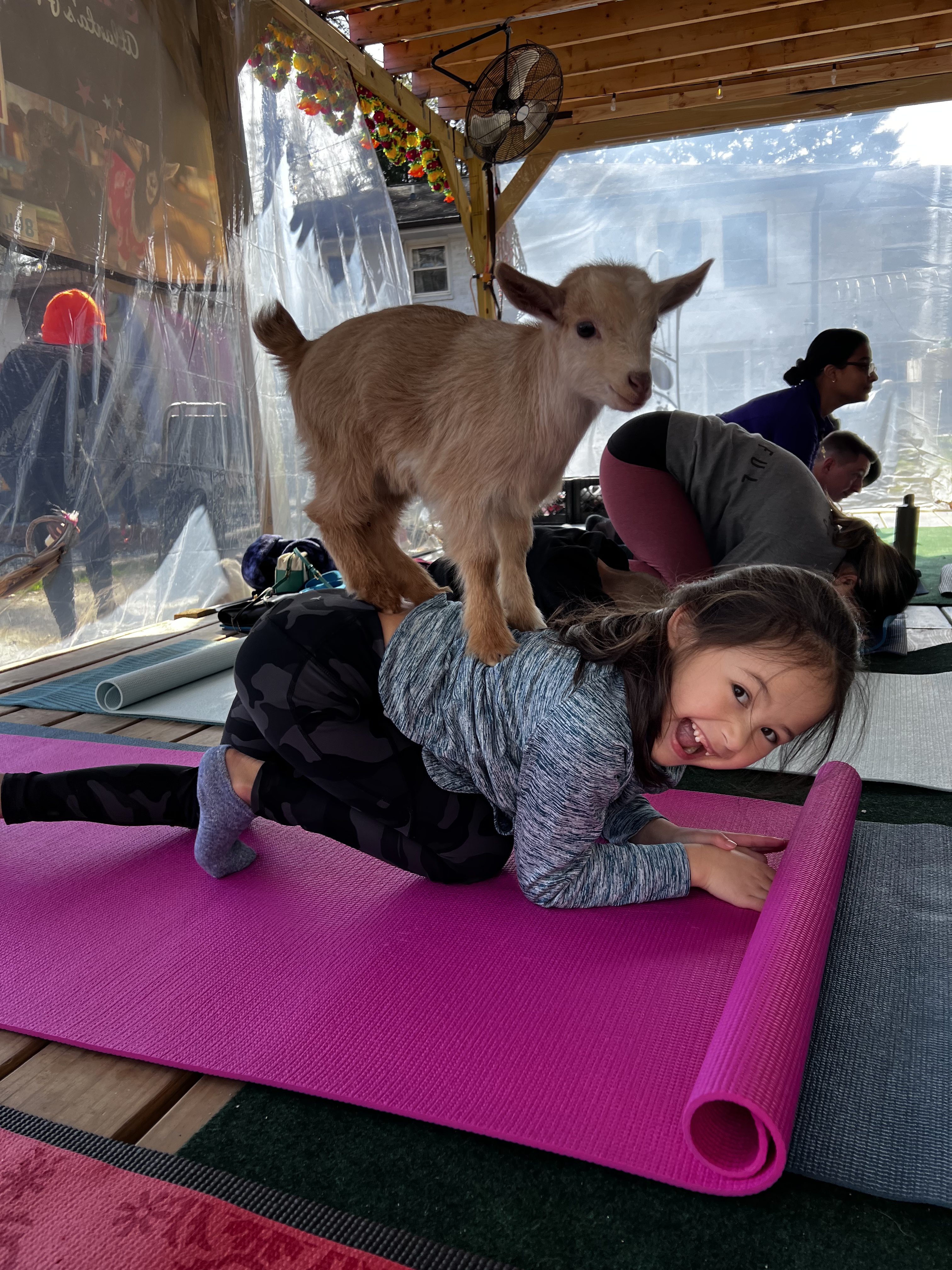
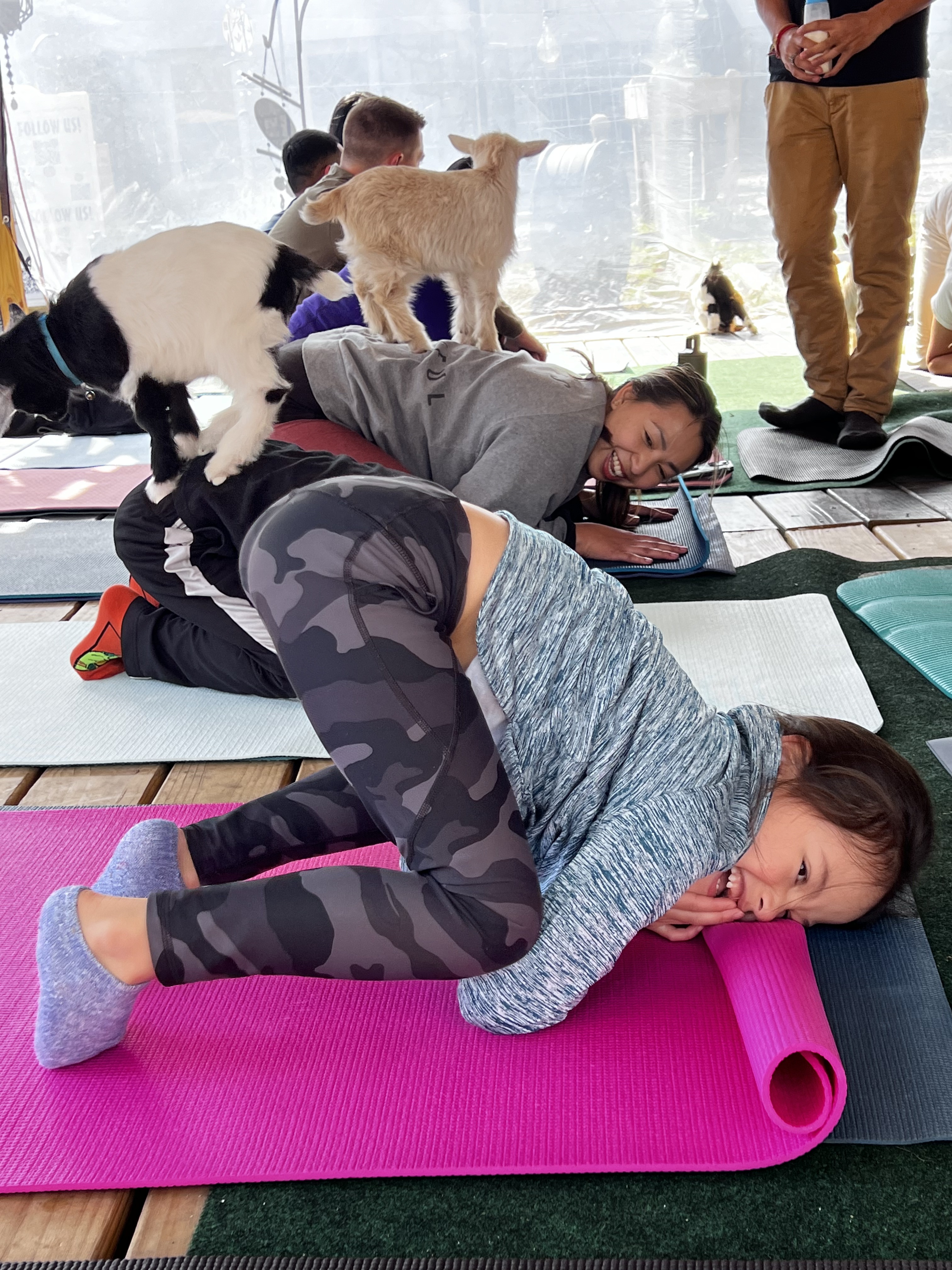
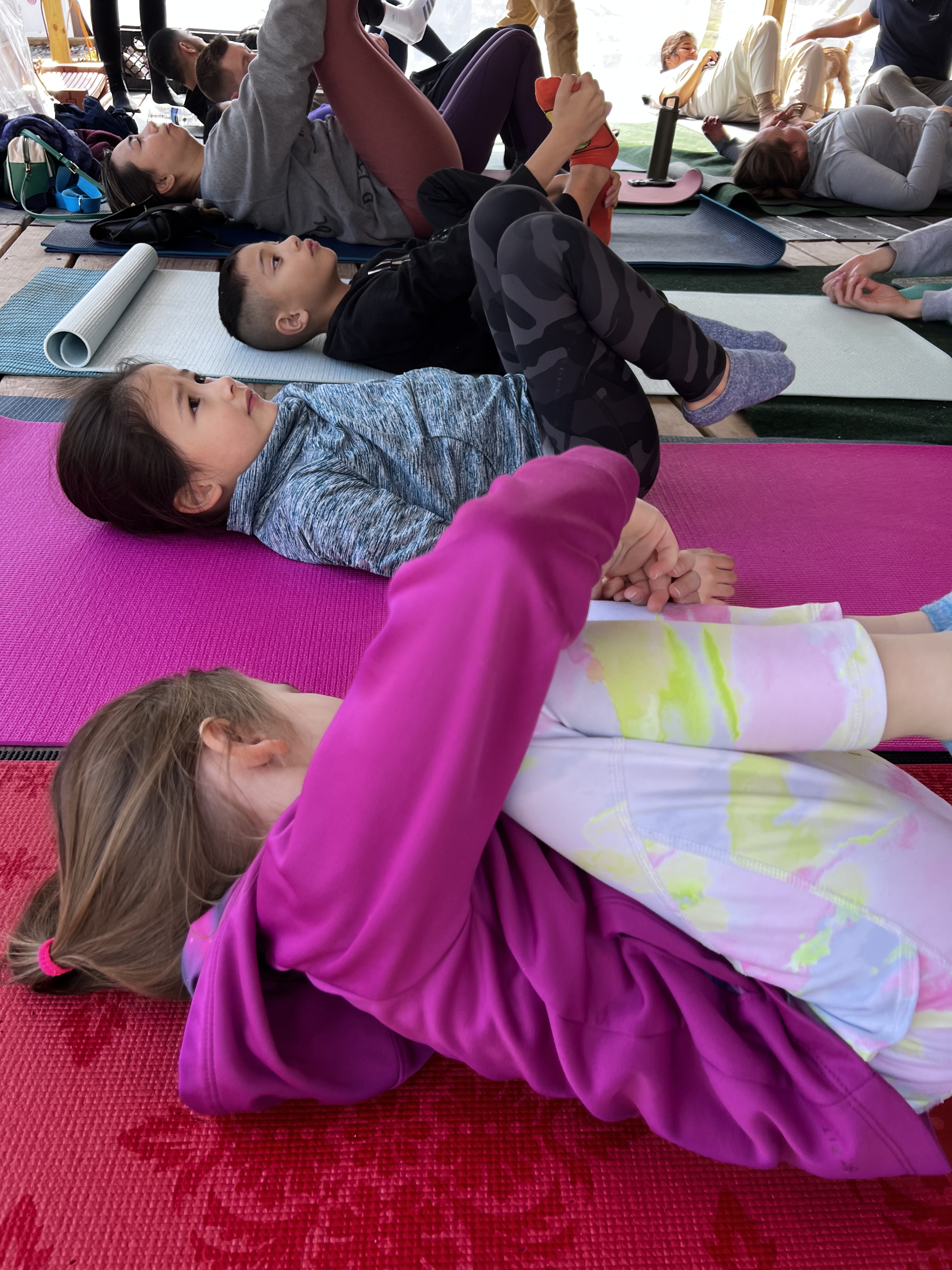
By now, we’re all pretty familiar about the perks of yoga. It promotes our overall health and well-being, reduces stress, and helps us “find our center.” The practice has been trending in the past decade and schools have even implemented it to help guide children’s focus and self-regulation.
Research has shown positive outcomes from regular yoga practice, including:
- Increased attention, decreased hyperactivity, and faster task completion in 5-year-olds who completed yoga 2x/week
- Mental and emotional benefits in children ages 5-18 years, including decreased anxiety, boosted concentration and memory, improved confidence and self-esteem, and improved academic performance
- Brain scans revealing reduced activation of the amygdala (the part of the brain responsible for emotions and arousal levels) in 6th graders
- Improvements in attention as well as decreased oppositional behaviors, restlessness, and impulsivity following 20 sessions of yoga with boys diagnosed with ADHD
- Improvements in imitation and play with peers in children with ASD following 10 months of yoga 5 days/week
Sounds good on paper, but yoga with kids can be intimidating. “Am I doing this right? Can kids even do these poses?”
It’s not just a bunch of poses and breathing. Although that notion is partially true, there’s more to it. The goal of yoga is to grow self-awareness, connecting the mind and the body to the present moment. It’s because of this broadness that makes participation in its practice easy.
Continue reading →














 Child(ish) Advice