VARK: Tips for Every Learning Style

Yesterday’s post about learning styles explained that it is better to present new concepts to kids in a variety of different ways. Some new information is easier to understand using a primary modality, like teaching science using kinesthetic/hands-on experimentation rather than reading it from a book. But for other types of information, you can use a varied approach to support deeper learning.

Continue reading

Your Kid’s Learning Style: Is it Important?

There are a lot of identifiers that give a bit of insight into how people tick. Identifiers like our zodiac sign, what Hogwarts house we belong to, our Myers-Briggs type, and even what learning style best suits us. But when it comes to kids, does knowing their learning preference make a difference?

Recently, my husband and I were discussing how we learn best. My husband absorbs information best auditorily while I find myself to be a visual learner. This talk came as we were trying to figure out what type of learners our kids were, especially when it came to our 4-year-old who was struggling to recall and apply information (like knowing what day it is or when his baseball practices were).  We were trying to determine the best way he obtains knowledge in order to help him succeed.

Continue reading

All the Feels: ASMR

Remember The Joy of Painting with Bob Ross? Even if you didn’t watch an entire episode, his light brush strokes and calming voice as he talked about “happy accidents” would help many unwind from a busy day. Little did we (or maybe even Bob Ross himself) know that what he was doing would later be known as ASMR.

ASM What Now?

Autonomous Sensory Meridian Response (aka ASMR) is a physical sensation, characterized by “tingles” starting at the scalp and traveling down the spine, when given soft methodical auditory, visual, or tactile (touch) stimuli. Think of caresses on the cheek, whispering or soft singing, or watching gentle hand motions. The feeling is said to provide a calming effect on an individual, helping to reduce anxiety, boost mood, and ease into sleep. Although this trend is crazy popular with adults via YouTube and relaxation apps, ASMR may be beneficial for kids, too; similar to a sound or white-noise machine.

Continue reading

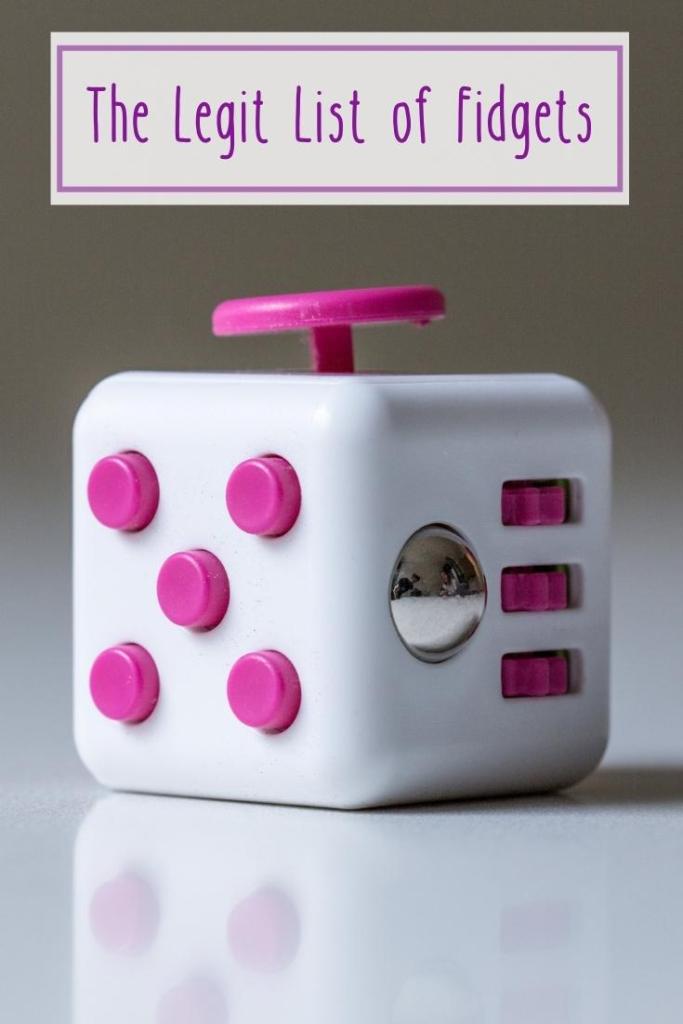
The Legit List of Fidgets

Fidgets are designed to allow us to self-regulate during times of stress or boredom, but no one fidget is created equal. Because our sensory needs are unique to us, what may work for you may not work for a friend, co-worker, or kid. So how do you know what works for your child? Rather than strolling down the toy section or browsing the endless lists of fidgets online, we broke it down to help you and your kiddo find that “just-right” fidget.

Continue reading

Perfect Timing: Rhythm, Timing, and the Brain

Timing is everything. For the most part, that statement is true.

Everything we do requires rhythm and timing. EVERYTHING. Think about it: walking, talking, reading this sentence, etc. It all relies on a pace and a pattern to complete them.

We’ve talked in previous posts about body awareness and how it affects bilateral coordination and motor planning, but rhythm and timing ensures that those movements are fluid when interacting with objects and people around us. Most of the time, you hardly notice it until you have a clumsy moment walking or stuttering over your words when in conversation.

Continue reading