Course Notes: The Whole-Brain Child Approach, Pt. 4

In Monday’s post, we discussed:

  • How our two types of memory (implicit and explicit) work together to recall an experience
  • What to do if an implicit memory (feelings, behavior, bodily sensations) is disconnected from its explicit memory (recall of an experience), resulting in an emotional flood 
  • Strengthening and integrating these memory pieces through daily practice 

Now that we’re caught up, let’s move to the next three strategies.

Continue reading

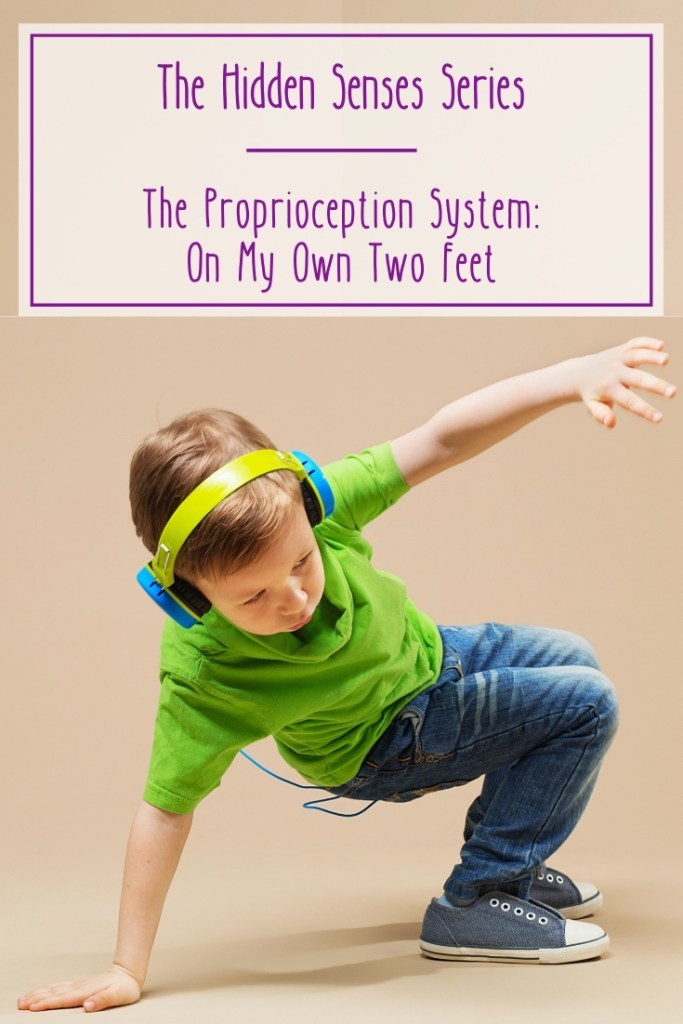
The Proprioception System – On My Own Two Feet

Know where you stand. We know this figuratively, but how about literally? How do we literally understand where we are and how we move amongst other objects and people in our environment? The proprioceptive system is designed to help us understand our physical sense in this world and how we physically interact with it.

Continue reading

The Vestibular System: A Tale of Two Movements

The playground. It’s the best of times, it’s the worst of times. It’s the place where some find joy in climbing, swinging, sliding, and bouncing. It’s also the place where others see dread at the thought of such madness.

The playground can be a polarizing place. It’s where the movement seekers can challenge their limits. Meanwhile, the movement avoiders look for solace at a nearby bench until it’s time to go home. Why the divide? There is one system to blame and it’s the one that lets us know exactly where we stand in the world.

Continue reading

Halloween in a Sense

Halloween is one of the most fun times of the year. But for some kids, it can be downright petrifying. The environment once deemed safe and secure has now changed in some seriously scary ways. Kids’ senses can play tricks on them. Their imagination is running wild with fear. So how do we get a sensory-defensive kid to become brave at Halloween?

Continue reading