Things We Loved: February 2026

The mom juggling act is disconcerting. On one hand, we have icy storms and virtual days. On the other, we’re planning spring schedules and summer camp. This month, for me in particular, it is one day at a time. So in an attempt to slow down and talk about some things that have been making our days a smidge brighter, here are some of the things we loved so far in 2026.

Continue reading

Podcast Playlist: Attention and Learning

So fun fact, it’s very hard to find a podcast episode about kids’ learning and attention without it being centered around kids with ADHD. So instead, I wanted to share some podcasts about alternative ways of learning that help us (and our kids) strengthen our brains and executive functions.

Continue reading

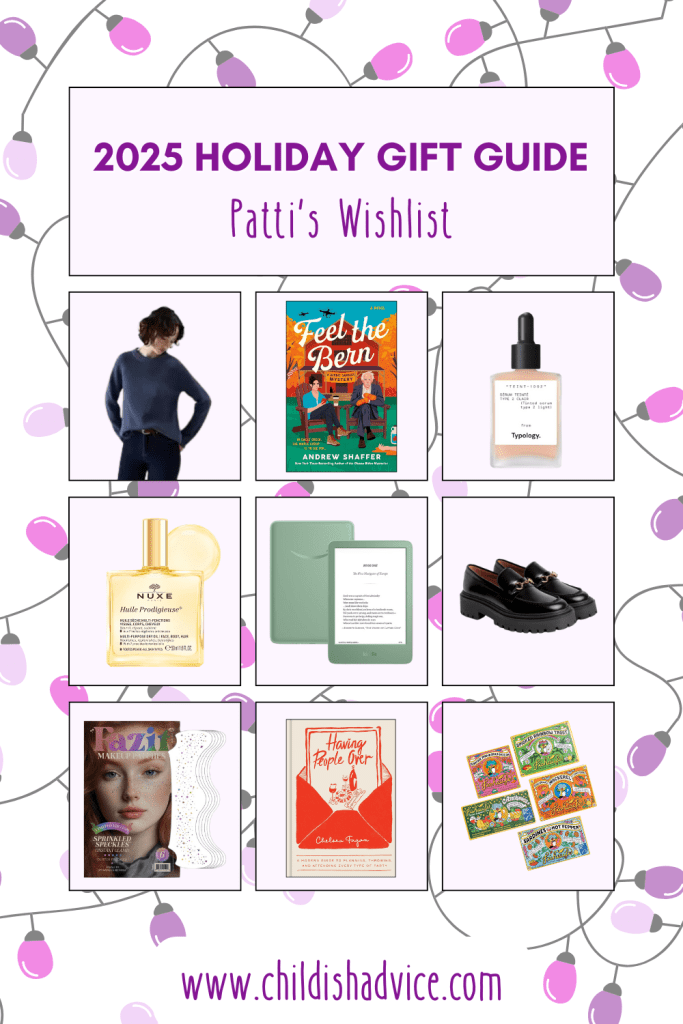
Holiday Gift Guide 2025: Patti’s Wishlist

There are sometimes I think holiday shopping for women is so easy; all you have to do is pay a little attention to detail. We love a little trinket, a little cutesy thing, etc. We like getting gifted things we would’ve bought ourselves anyway, and we love a little field trip.

After the drama of this year, I just want a few of the little things. My wishlist covers the basics (something I want, something I need, something to wear, something to read). Still throwing in a hydrofacial and prep for our next trip in February.

Continue reading

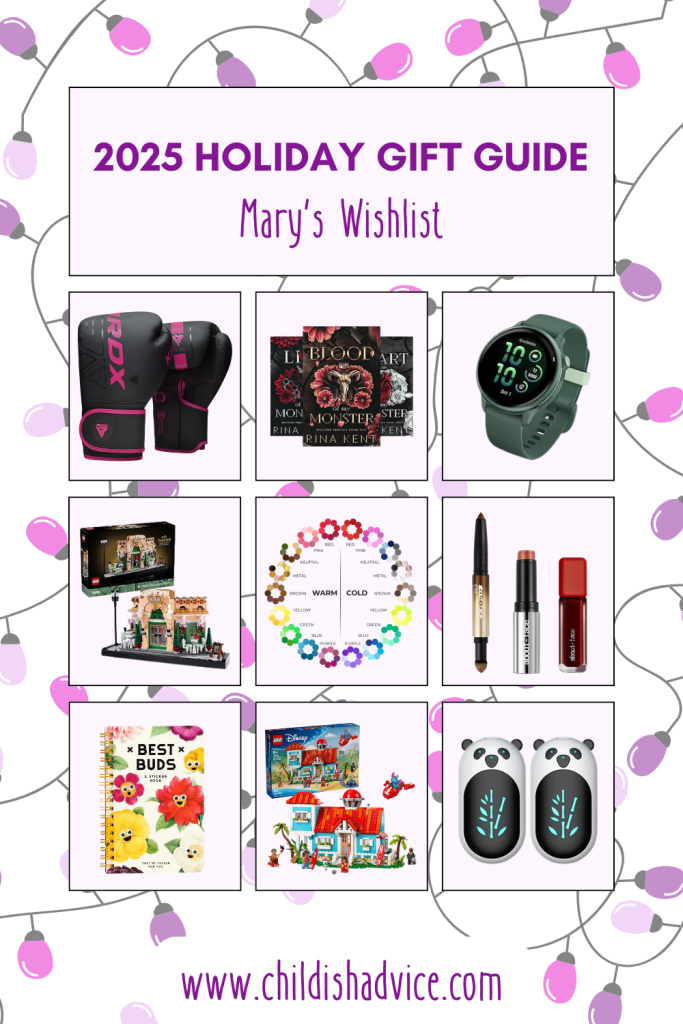
Holiday Gift Guide 2025: Mary’s Wishlist

‘Tis the season! You know the drill: as soon as the Thanksgiving dishes are cleared, the family Wishlist requests start rolling in. Last year, I was winging it. This year? I’ve got a game plan. Maybe I’ve just tuned in to what makes me smile, but my asks come with purpose. Here’s what I’m hoping to find under the tree this year…

Continue reading

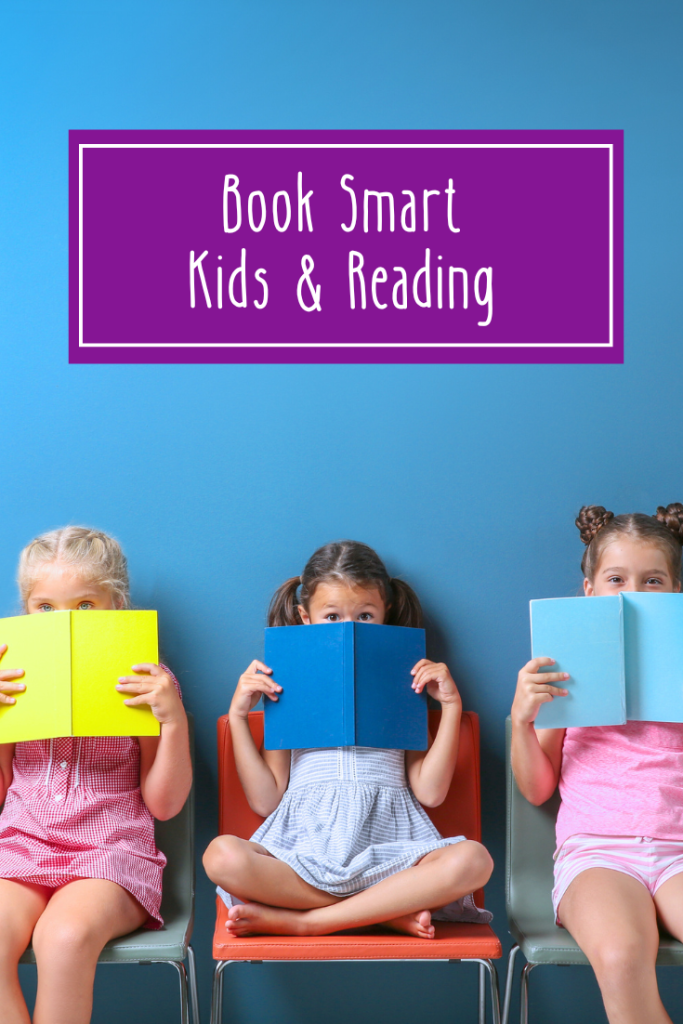
Book Smart: Kids and Reading

A few years ago, we did a Child(ish) Reads on a book called Thirty Million Words by Dana Suskind, M.D.  Its core concept is based on the research by Betty Hart and Todd Risley who, in 1995, found that by the age of three, children from higher-income families hear about 30 million more words than those from lower-income families. This disparity plays a substantial role in shaping academic outcomes and long-term success.

This topic has become top of mind this year as our school board is aligning its priorities with Georgia’s Early Literacy Legislation, which aims to ensure all children become proficient readers by the end of third grade. So why third grade?

Continue reading