Patti’s New Year’s Resolutions: 2026

Last week, I passed my PMP certification exam. This was my biggest goal from 2025, and I’m so relieved and excited to have that under my belt. Last year (hopefully) was the end of a tumultuous couple retrograde years and I’m happy to put it all in the rear view with something tangible to show for it.

Now that I’m out from underneath the studying, I’m faced with a million different TikToks of young 20-somethings figuring out planners and annual productivity goals for the first time…

Continue reading
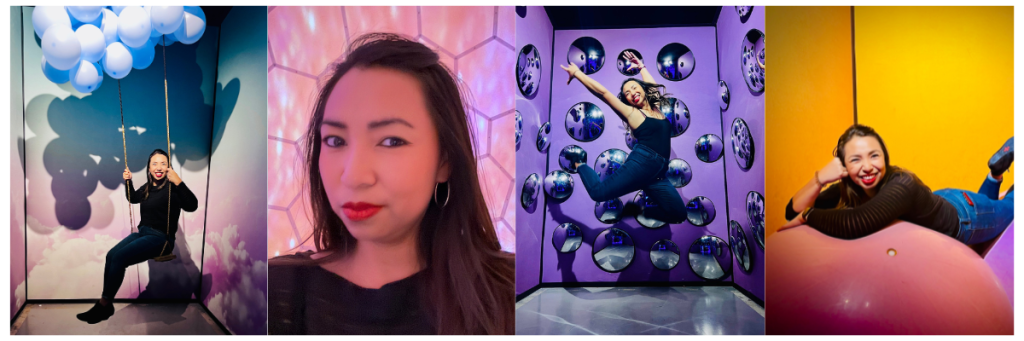
Mary’s New Year Resolutions: 2026

I’m proud to say that I accomplished most of my resolutions from last year. 2025 became a real reset for me, serving as a chance to recharge and rethink how I want to move through this next phase of life.

This year is about real follow‑through, committing to making progress on the goals I’ve let slide in the past. In the clinic, I used SMART goals to help ensure that care is clear, measurable, and aligned with my clients’ needs:

  • Specific – the goal is clear and focused
  • Measurable – progress can be tracked and know when it’s achieved
  • Achievable – realistic to one’s current capacity and circumstances
  • Relevant – aligns with one’s values and priorities
  • Time-bound – the deadline or time frame for the goal to be met

Using this method for my resolutions, I’m aiming to lock these habits in for good. It’s a lifestyle change; a deliberate break from routines that just don’t fit me anymore.

Continue reading

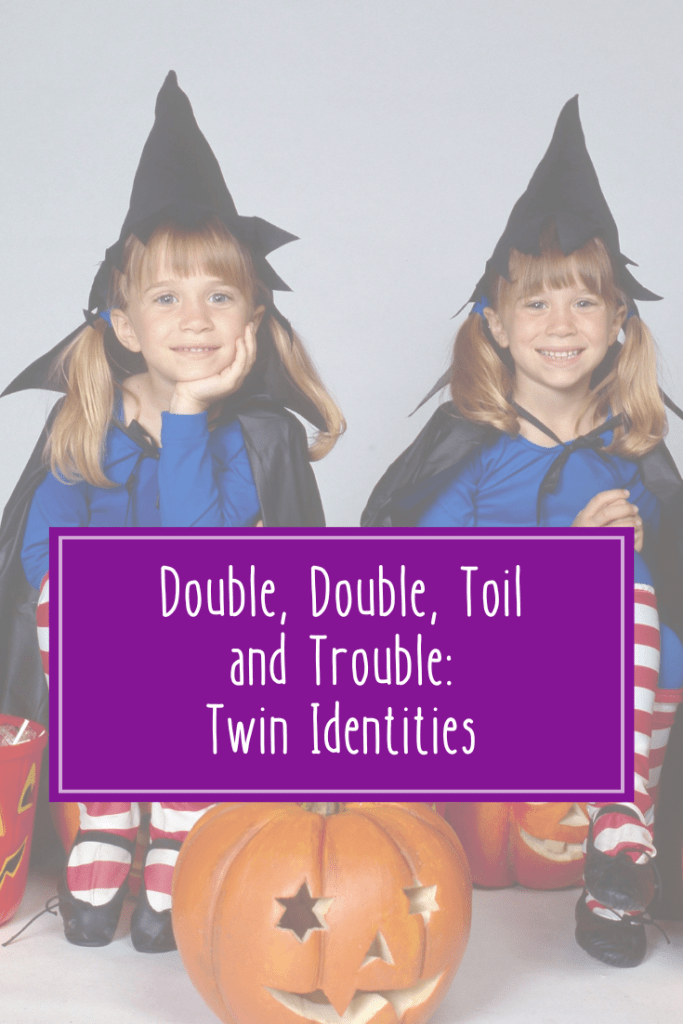
Double, Double, Toil and Trouble: Twin Identities

Aunt Agatha: I have Lynn!
Kelly Farmer: I’m Kelly!
Aunt Agatha: Oh, whoever. I have your sister! If you care about her, you’ll give yourself up now!

Twins are often seen as a packaged deal, especially if they are identical. You can’t say Mary-Kate without thinking about Ashley Olsen, or Tia and Tamara Mowry. Even my own twins are known at school simply as “the twins” or “H and K.”

Mix-ups and mistaken identities are common; and while they may seem harmless, these moments subtly shape how twins see themselves and relate to others. That’s why it’s so important for parents to recognize each twin as a unique individual, with their own personality, behavior, and strengths. This isn’t always easy as physical resemblance, emotional closeness, and family dynamic can make individuality harder to nurture. Factor in the reality that they’ve had a constant companion since the womb, and the journey toward individuality becomes even more layered.

Continue reading

Course Notes: Social and Emotional Development, pt.2

Social and emotional development involves gaining the capacity to understand, manage, and express. One way to guide its growth is with social and emotional learning (SEL). While this systematic approach is often seen in educational settings, it can be applied across the lifespan.

There are five competencies in this area, also known as the CASEL 5. They are:

  • Self-awareness – recognize one’s own emotions/thoughts/interests/values, how these qualities influence actions, as well as maintaining a positive self-view and belief in abilties
  • Self-management – regulate emotions/thoughts/behaviors in different situations, handle stress and resist urges, and set goals
  • Social awareness understand subtle social/cultural rules and norms, considers other perspectives, show respect and empathy towards others
  • Relationship skills – establish and maintain relationships with others, resist negative social pressure, work well with others, prevent and solve conflicts with others, seek help when needed
  • Responsible decision making – accurately identify and evaluate problems, make decisions based on ethical and social norms, consider context when making decisions, contribute positively to the community

These skills enable us to maintain a healthy self-perception, manage stress effectively, comprehend others, and collaborate to support the community.

Continue reading

Course Notes: Social and Emotional Development, Pt. 1

Being an OT-forward blog, we’ve written a lot about motor and cognitive development, but what about the social and emotional?

My most recent course focused on just that: Social and Emotional Development – Therapeutic Interventions for Children, Birth Through Adolescence. From that seminar, we think it would be helpful for many parents to understand how social and emotional development builds as our kids get older, similar to all those Development Milestones we watch so closely.

Social and emotional development refers to a child’s ability to understand who they are, what they are feeling, and how to navigate social interactions. These skills are essential for forming and maintaining positive relationships, expressing and managing emotions, and effectively exploring and engaging with their surroundings and other people.

Continue reading