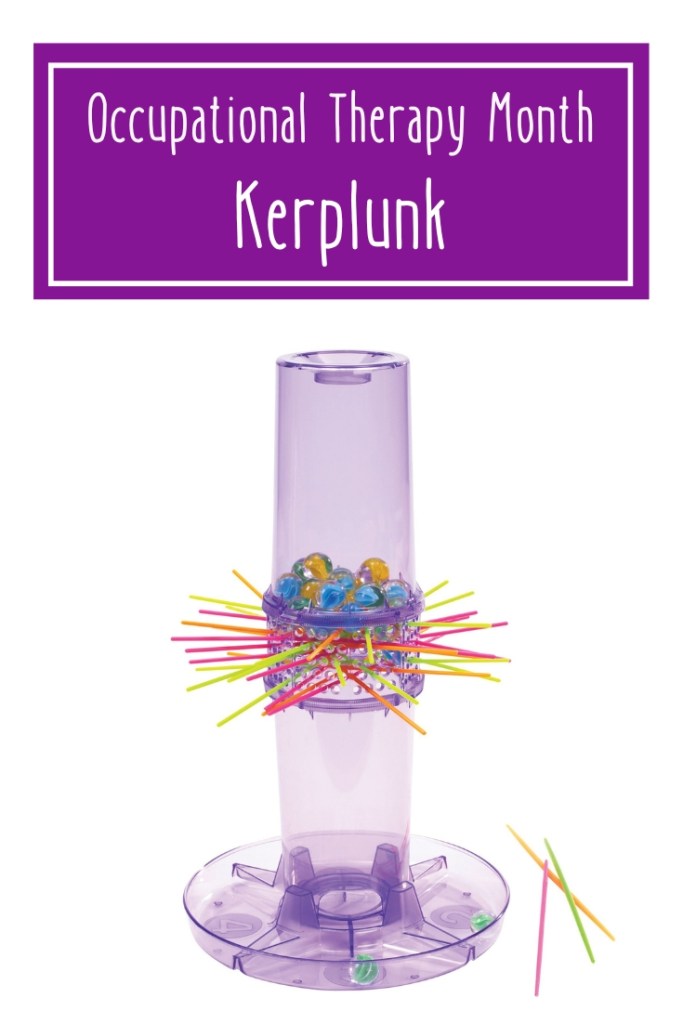
So far, we’ve covered games that implement basic game play etiquette and dabble in reasoning and logic. Let’s up the ante to one that requires a bit of strategy and fine motor precision. Say hello to Kerplunk.
Continue reading
So far, we’ve covered games that implement basic game play etiquette and dabble in reasoning and logic. Let’s up the ante to one that requires a bit of strategy and fine motor precision. Say hello to Kerplunk.
Continue reading
As we make our way through kids games this month, they will get slightly more complex and grow with age. So while Candyland is one of the easiest games to learn and play, we’ll introduce other games that start incorporating strategy, team play, finer coordination, and different game board configuration.
Next up on the board game roster is Guess Who?.

I always enjoy using board games when working with kids. Games are a familiar medium and improve a variety of skills, but they’re also fun. And if the kids are having fun, the better they’ll take to their new skills.
Because April is Occupational Therapy Month and board games are a frequent go-to for pediatric OTs, they’ve become our awesome #OTMonth blog theme. First up, CANDYLAND!
Continue reading
I enjoy good documentaries and Netflix has an abundance of them out right now. So when I came across the docuseries Babies, I had to check it out for the blog.
Babies explores the new research surrounding child development within the first year of life, following 15 newborns from around the globe. While I’d like to think I’m pretty well informed in this arena, there is still a great deal that I didn’t know and that was quite refreshing. It would be crazy to think that what I learned in grad school about babies 15+ years ago hasn’t been challenged or expanded upon since.
Continue reading
To round out my CEU courses for the year, I finished with Effective Early Intervention: Innovative Solutions to Build Motor, Balance, and Social-Emotional Skills to Improve Overall Development. While this lecture was geared towards therapists, there is still some great information that parents can use about child development and what early intervention provides.
Continue reading Child(ish) Advice