Our Rage Room Mom date

Yay! New blog feature.

We’ve written extensively on PPD and how important it is for moms to take time for themselves. This recharges our social battery and keeps us balanced, so our entire lives aren’t completely ruled by our kids.

Looking forward, I came across a teen parenting account that said that one of the reasons teens stop looking to their parents for advice and quality time is because their parents aren’t fun. During high school, my parents never really had friends. They would work, make dinner, and watch something on the couch…every…damn…night. I love an introverted bed rot, but seriously no other people anywhere in the radar? Not even a best friend that I’ve ever heard of?

I feel like most of the parents I appreciated growing up were those that had their own social lives; they played more roles than just being a parent or an employee. They had interests and hobbies and would go out for girls nights. Their personal schedules were just as involved as their kids’. Overall, I feel like their homes were just lighter; and consequently, their villages were bigger.

So, Mary and I would like to propose a trade. We will exchange two playdate reviews, for two Mom date reviews. We love doing fun stuff with our kids, but we’d also like to try out some fun, new things that are a little more age-appropriate for us.

Continue reading

Child(ish) Reads: Raising A Socially Successful Child, Pt. II

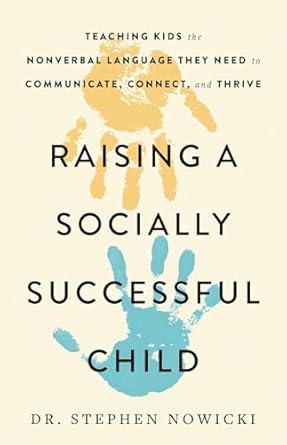
When we say “socially successful”, we mean making friends. Yes, how our child conducts themselves in public spaces in a way that is socially acceptable is one thing. Manners and etiquette are explicitly taught.

However, making friends is not exactly easy for most. Confidence, self-esteem, temperament; these all factor into the process personally. But then there is the reciprocation, the two-way street. Does this person like me back?

In Raising a Socially Successful Child, Dr. Stephen Nowicki explains the Friendship process; the different stages of how we start and maintain relationships.

Continue reading

Child(ish) Reads: Raising a Socially Successful Child

When I first saw this book, I was interested in the nonverbal communication aspect. Yes, there are lots of parenting books about helping your kids make friends and navigate social circles, but the nonverbal factors gave this book a bit of an OT edge.

Raising a Socially Successful Child: Teaching Kids the Nonverbal Language They Need to Communicate, Connect, and Thrive by Dr. Stephen Nowicki. 

Continue reading

Course Notes: Social and Emotional Development, pt.2

Social and emotional development involves gaining the capacity to understand, manage, and express. One way to guide its growth is with social and emotional learning (SEL). While this systematic approach is often seen in educational settings, it can be applied across the lifespan.

There are five competencies in this area, also known as the CASEL 5. They are:

  • Self-awareness – recognize one’s own emotions/thoughts/interests/values, how these qualities influence actions, as well as maintaining a positive self-view and belief in abilties
  • Self-management – regulate emotions/thoughts/behaviors in different situations, handle stress and resist urges, and set goals
  • Social awareness understand subtle social/cultural rules and norms, considers other perspectives, show respect and empathy towards others
  • Relationship skills – establish and maintain relationships with others, resist negative social pressure, work well with others, prevent and solve conflicts with others, seek help when needed
  • Responsible decision making – accurately identify and evaluate problems, make decisions based on ethical and social norms, consider context when making decisions, contribute positively to the community

These skills enable us to maintain a healthy self-perception, manage stress effectively, comprehend others, and collaborate to support the community.

Continue reading

Child(ish) Reads: Raising Empowered Athletes

A little backstory for me. I was up in Virginia for work this past fall and was invited to come to my high school crew team’s afternoon practice. I was a crew coxswain for six years; starting in high school, through college and two years in Masters rowing. I’ve sat in on practices, but this was my first time a long while helping novice high school girls.

Crew is an amazing sport when it comes to culture, work ethic, and mental game. But the coach was quick to point out that he wasn’t seeing a lot of physical fitness and strength in this group of girls. While crew was fun and they enjoyed being on the water, they were still very much learning fundamentals and not speed. This is racing after all.

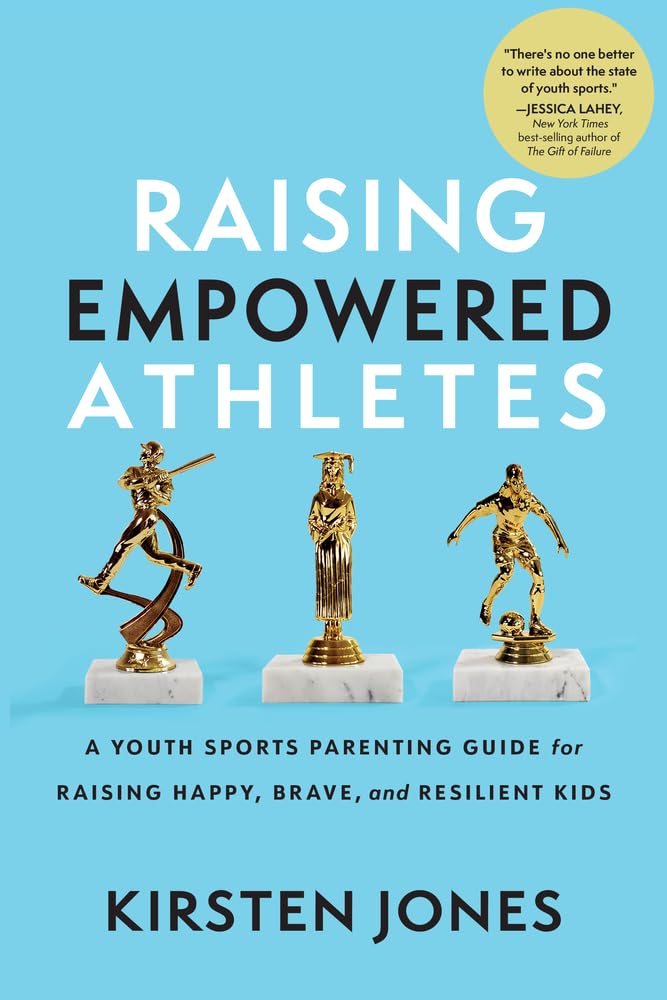
So how do you connect with a young person about being competitive? How do you motivate without turning into a zealous tiger parent? How young does this start?

Raising Empowered Athletes: A Youth Sports Parenting Guide for Raising Happy, Brave, and Resilient Kids by Kirsten Jones. Kirsten, a Hall of Fame DI volleyball player from The College of William and Mary, and fourteen-year NIKE executive, is now a motivational speaker, writer and Peak Performance Coach. Her clients include teen athletes (and their parents), where she helps them learn how to reach their goals and release their limitations. She co-hosts the #RaisingAthletes Podcast with Susie Walton on iTunes and Spotify.

Continue reading