Parent Homework

When couples/people/parents find out they are having a baby, a lot of them will sign up for baby bootcamp. It’s pretty much a short class on basic baby care: swaddling, changing a diaper, how to prepare bottles, baby CPR, etc.

What the classes doesn’t prepare you for is how to get ready mentally and emotionally. Pretty much every parenting book I’ve read mentions that there is no formal or informal class for new parents on how to keep themselves regulated, how to create a supportive environment for both baby and parents, how to deal with shortened sleep, how to build that village. Get the picture?

Diving in a little further, how do you breach the topic of parenting with your partner? How do you determine a parenting style together? How do you proactively split duties, support each other, make decisions in the first couple months?

Yes, this a lot to talk about and it does require more than just a “we’ll figure it out when we get there.”

Continue reading
Child(ish) Reads: Good Inside

Last week, a mom on TikTok made a video about the disrespect and harsh criticism she received from her adult child. It turned into a mini rant on how Gen Z kids are entitled and don’t regard their parents with respect after all they’ve done. This video went viral and was stitched many, many times (before it was taken down) from Millennials in particular, explaining their choices to go no-contact with their parents. As difficult as it would be to imagine a no-contact relationship with my girls, my own relationship with my parents makes me feel this can be a completely justifiable move.

I started reading Good Inside with the intent of reviewing it, and be sure this is definitely a book review. But after this video, and in this context, we can very clearly see how Millennial parenting has evolved. We see the need for reflection, not only on how we were raised, but how we intend to raise. We see the importance of providing not only a model for your kid, but also building a mutually-connected relationship with your child through their teen and adult years. We can see how generational trauma has trickled down and how we ourselves need to be cycle breakers.

So with that, here are my takeaways from Good Inside:

Continue reading

Child(ish) Reads: I Left My Homework in the Hamptons

“There is a commonality among all parents, riven with fear, wanting something better for our children and not knowing how to go about getting it.”

I decided to switch up our usual Childish Reads. Most of the books I choose are on child or parenting development, but this book covers a completely different age group and parent demographic.

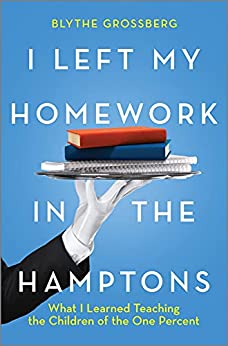
I Left My Homework in the Hamptons: What I Learned Teaching the Children of the One Percent by Blythe Grossberg

I Left My Homework is a collection of personal stories and lessons from a former tutor of the children of the 1%. We’re covering not just high schoolers but those from super-rich families. What can their experiences empirically tell us about parenting and how our best intentions can sometimes create the perfect stress storm for our kids.

Continue reading

Child(ish) Reads: But You’re Still So Young

So in case you haven’t noticed, this blog is run by two Millennial moms and we lean into it hard. For this Child(ish) Read, I chose this book because I wanted to learn more about Millennial thinking and sociology; specifically about the reasons we are the way we are and how this directly affects how we parent.

But You’re Still So Young: How Thirtysomethings Are Redefining Adulthood
by Kayleen Schaefer

Continue reading

Child(ish) Reads: The School for Good Mothers

Surprise! This is the first time Child(ish) Reads has reviewed a fiction title. So, a couple rule changes:

  1. I’m not going to spoil the ending.
  2. There will be no actual “advice”.
  3. Judgement-free zone here. Let’s call it a mix between a book review and coffee chat.

The School for Good Mothers by Jessamine Chan

Blurb: Frida Liu is struggling. She doesn’t have a career worthy of her Chinese immigrant parents’ sacrifices. She can’t persuade her husband, Gust, to give up his wellness-obsessed younger mistress. Only with Harriet, their cherubic daughter, does Frida finally attain the perfection expected of her. Harriet may be all she has, but she is just enough.

Until Frida has a very bad day.

The state has its eyes on mothers like Frida. The ones who check their phones, letting their children get injured on the playground; who let their children walk home alone. Because of one moment of poor judgment, a host of government officials will now determine if Frida is a candidate for a Big Brother-like institution that measures the success or failure of a mother’s devotion.

Faced with the possibility of losing Harriet, Frida must prove that a bad mother can be redeemed. That she can learn to be good.

Continue reading