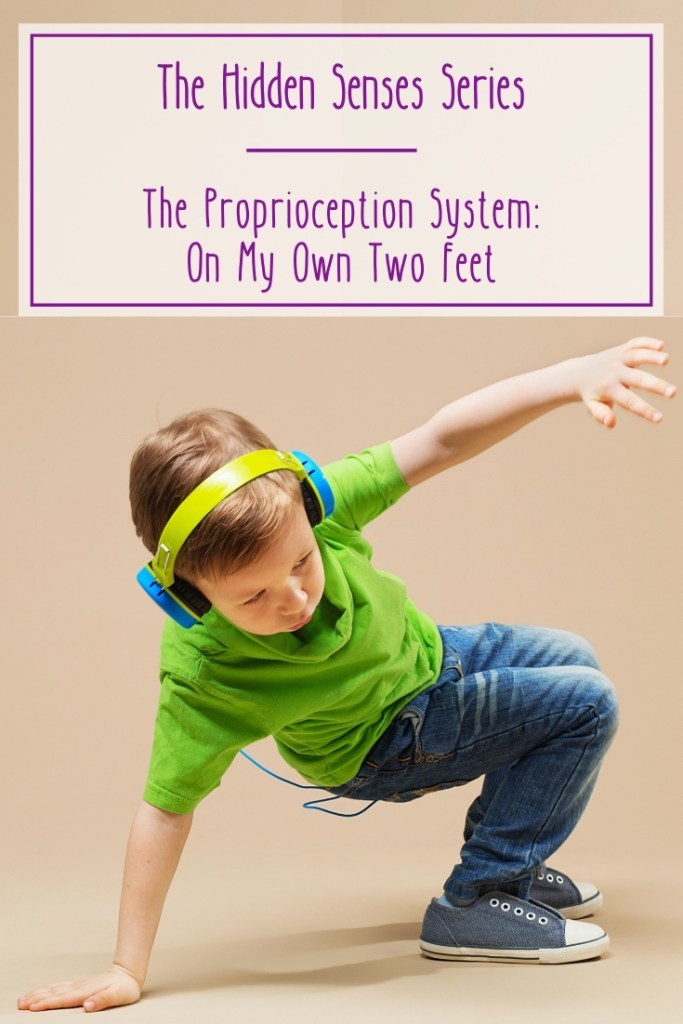
Listen to your body. We hear this phrase often, especially when we are tired or stressed, as a signal to take it easy. More recently, I’ve been using it during potty training (a whole other post…) to help my son identify when it’s time to start heading to the bathroom. In fact, “listening to ourselves” is an entire system dedicated to letting us know what our bodies genuinely need, from sustenance to sleep, to maintain optimal operations.
Continue readingOccupational Therapy
The Vestibular System: A Tale of Two Movements
The playground. It’s the best of times, it’s the worst of times. It’s the place where some find joy in climbing, swinging, sliding, and bouncing. It’s also the place where others see dread at the thought of such madness.
The playground can be a polarizing place. It’s where the movement seekers can challenge their limits. Meanwhile, the movement avoiders look for solace at a nearby bench until it’s time to go home. Why the divide? There is one system to blame and it’s the one that lets us know exactly where we stand in the world.
Continue readingHalloween in a Sense
Halloween is one of the most fun times of the year. But for some kids, it can be downright petrifying. The environment once deemed safe and secure has now changed in some seriously scary ways. Kids’ senses can play tricks on them. Their imagination is running wild with fear. So how do we get a sensory-defensive kid to become brave at Halloween?
Continue readingActivities for Self-Regulation
Trying to figure out what kind of activities your kiddo can do to get to that “just-right” level of arousal? Here are some ideas to get you started!
Continue readingCreating a Sensory Diet: Arousal and Self-Regulation
Arousal refers to the ability to maintain an ideal level of sustained alertness needed to complete various tasks and activities.
In general, we are most productive in a calm-alert state with moments of low- and high-arousal in between.
Every day, our bodies constantly seek out ways to maintain the optimal state of arousal necessary to complete tasks and activities. Sure, there might be moments of lethargy or hyperactivity, but that’s typical. As adults, we have the ability to seek out whatever we need to help us self-regulate (Hello, coffee!).
However, children don’t have the freedom or knowledge to get them to where they should be. So when they are jumping off the walls, are cranky or tired, or just in a complete meltdown, it’s because they have exhausted the mental energy needed to handle stimuli and expected tasks (i.e. focusing on an assignment, completing chores, or engaging politely with others). They’ve simply run out of gas.
So, how can we help our kids self-regulate throughout the day, especially when they are stuck at home?
Continue reading


