Cry Baby: Baby Cries and Language Development

Babies cry. Period.

For those first few months, newborns sound the alarm every time they feel slightly off kilter. As a new parent, it can be rough trying to decipher what your baby needs. Regardless of how many parenting books you may read, decoding cries doesn’t necessarily come with textbook instructions

Crying is the first and most important form of communication infants have with their parents and caregivers. Their entire survival depends on it. The first two months of life, their cries intensify, peaking between 6 to 8 weeks before significantly decreasing by 3 to 4 months of age. This decline aligns with key developmental milestones, such the emergence of self-soothing behaviors (sucking fingers to turning head away when overstimulated), vocalizations (cooing and babbling), and motor skills (reaching, grasping, pushing up onto elbows and forearms during tummy time).

Although it can be tough to handle your baby’s cries, especially in the moment, there’s always a rhyme and reason behind them. Every cry is a way of communicating a need.

Continue reading
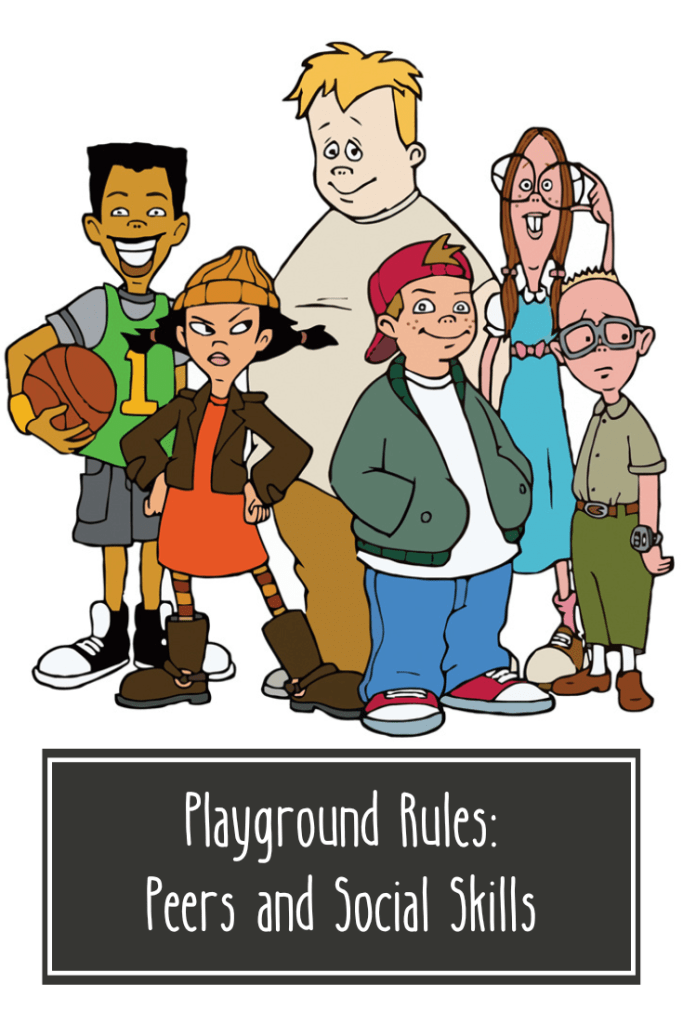
Playground Rules: Peers and Social Skills

Image credit: Recess

Parents can only do so much. In our kid’s early childhood, we try our best to teach and model everything they need to know to thrive. But eventually, they need to test their skills in real-life situations, and that’s most likely going to come on the playground.

When parents in the clinic would stress over their child’s social skills, I would say “playground rules,” meaning that kids best learn socialization in a setting with their peers and with limited interference from their parents. While the home serves as a training ground for trial and error, peers provide real-time feedback and refinement of those skills.

Continue reading

Child(ish) Reads: Raising A Socially Successful Child, Pt. II

When we say “socially successful”, we mean making friends. Yes, how our child conducts themselves in public spaces in a way that is socially acceptable is one thing. Manners and etiquette are explicitly taught.

However, making friends is not exactly easy for most. Confidence, self-esteem, temperament; these all factor into the process personally. But then there is the reciprocation, the two-way street. Does this person like me back?

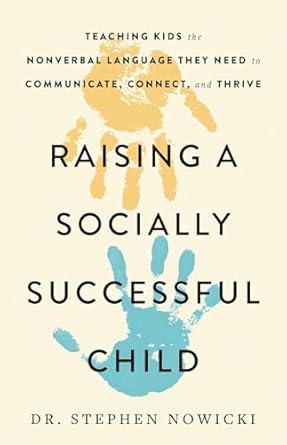
In Raising a Socially Successful Child, Dr. Stephen Nowicki explains the Friendship process; the different stages of how we start and maintain relationships.

Continue reading

Child(ish) Reads: Raising a Socially Successful Child

When I first saw this book, I was interested in the nonverbal communication aspect. Yes, there are lots of parenting books about helping your kids make friends and navigate social circles, but the nonverbal factors gave this book a bit of an OT edge.

Raising a Socially Successful Child: Teaching Kids the Nonverbal Language They Need to Communicate, Connect, and Thrive by Dr. Stephen Nowicki. 

Continue reading