OT Month: Primitive Reflexes

We all have reflexes; fast, automatic movements our bodies make without us even thinking. Some reflexes stay with us for life, helping us stay safe and respond to the world around us. Others are meant only for infancy. They support early survival and movement, then fade as children gain more control of their bodies. When those early reflexes donโ€™t integrate on schedule, they can influence how a child experiences their body and how they interact with their environment. These are known collectively as primitive reflexes.

Whatโ€™s funny is that most parents (in non health-related fields) donโ€™t even know what these are. Newborns have such weird movements when they are learning body control that you can get through the first six months without even realizing the reflexes at work.

FYI: This post has a lot of definitions and lists, so feel free to bookmark and save.

Continue reading

Cry Baby: Baby Cries and Language Development

Babies cry. Period.

For those first few months, newborns sound the alarm every time they feel slightly off kilter. As a new parent, it can be rough trying to decipher what your baby needs. Regardless of how many parenting books you may read, decoding cries doesnโ€™t necessarily come with textbook instructions

Crying is the first and most important form of communication infants have with their parents and caregivers. Their entire survival depends on it. The first two months of life, their cries intensify, peaking between 6 to 8 weeks before significantly decreasing by 3 to 4 months of age. This decline aligns with key developmental milestones, such the emergence of self-soothing behaviors (sucking fingers to turning head away when overstimulated), vocalizations (cooing and babbling), and motor skills (reaching, grasping, pushing up onto elbows and forearms during tummy time).

Although it can be tough to handle your baby’s cries, especially in the moment, there’s always a rhyme and reason behind them. Every cry is a way of communicating a need.

Continue reading

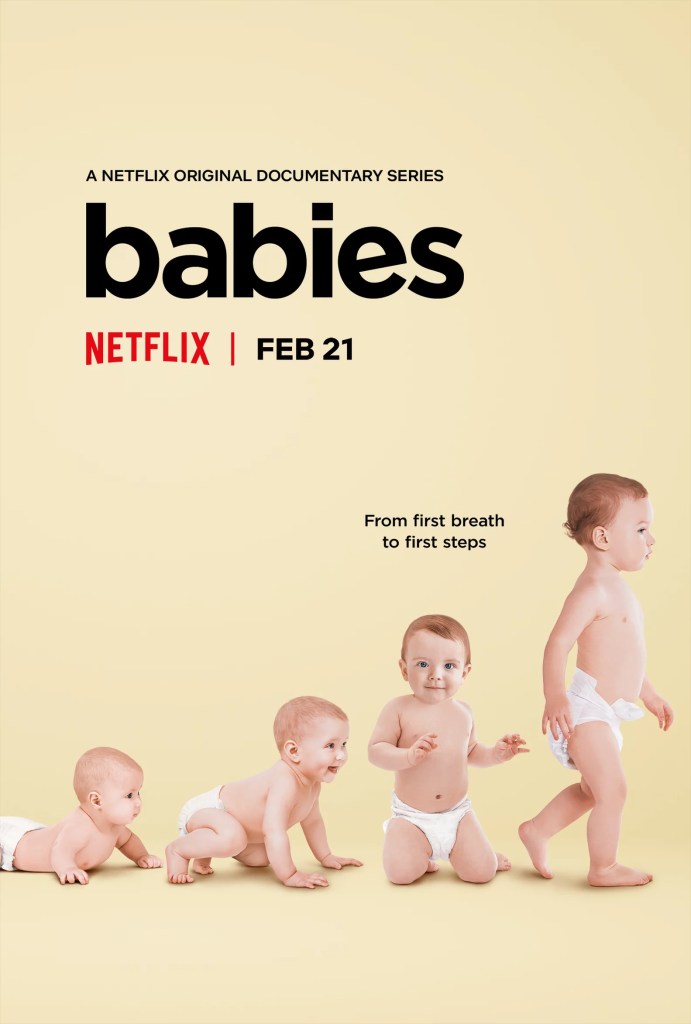
Things I Learned on Netflix: Babies

I enjoy good documentaries and Netflix has an abundance of them out right now. So when I came across the docuseries Babies, I had to check it out for the blog.

Babies explores the new research surrounding child development within the first year of life, following 15 newborns from around the globe. While Iโ€™d like to think Iโ€™m pretty well informed in this arena, there is still a great deal that I didnโ€™t know and that was quite refreshing. It would be crazy to think that what I learned in grad school about babies 15+ years ago hasnโ€™t been challenged or expanded upon since.

Continue reading

Course Notes: Early Development and Intervention

To round out my CEU courses for the year, I finished with Effective Early Intervention: Innovative Solutions to Build Motor, Balance, and Social-Emotional Skills to Improve Overall Development. While this lecture was geared towards therapists, there is still some great information that parents can use about child development and what early intervention provides.

Continue reading