The Wide World of Youth Sports

This past February, the Winter Olympics in Milano Cortina held our attentions for three weeks straight, including our kids. Watching hours of slaloms and biathlon and speed skating, completely engrossed.

Both the Winter and Summer Olympic Games pique kidโ€™s interest in new sports. They are at an age where they think they can pick up these sports so easily and they want to try everything. What, like itโ€™s hard? We found ourselves Googling where the nearest luge center was.

But with the Winter Olympics particularly, the countries bringing home the most medals arenโ€™t always the biggest or richest. This year, Norway, the Netherlands, and Germany were in the top five medal count, along with the US and Italy the host country.

Are they just better at snow sports? Do they start their kids on the Olympic track early? Yes and no.

It raised a bigger question about youth sports around the world and how different countries develop young athletes. Turns out, different countries structure youth sports very differently and the contrasts are big enough that they shape kidsโ€™ experiences, family culture, and even national athletic success.

Continue reading

Coffee Chat: On Parenting Styles

Move over helicopter and free-range parents. New, trending parenting styles are in town and making themselves known. While gentle parenting has had its seat at the table, new ones have risen in response, and we can thank Kylie Kelce for bringing one into the light.

Continue reading

Our Rage Room Mom date

Yay! New blog feature.

Weโ€™ve written extensively on PPD and how important it is for moms to take time for themselves. This recharges our social battery and keeps us balanced, so our entire lives arenโ€™t completely ruled by our kids.

Looking forward, I came across a teen parenting account that said that one of the reasons teens stop looking to their parents for advice and quality time is because their parents arenโ€™t fun. During high school, my parents never really had friends. They would work, make dinner, and watch something on the couchโ€ฆeveryโ€ฆdamn…night. I love an introverted bed rot, but seriously no other people anywhere in the radar? Not even a best friend that Iโ€™ve ever heard of?

I feel like most of the parents I appreciated growing up were those that had their own social lives; they played more roles than just being a parent or an employee. They had interests and hobbies and would go out for girls nights. Their personal schedules were just as involved as their kidsโ€™. Overall, I feel like their homes were just lighter; and consequently, their villages were bigger.

So, Mary and I would like to propose a trade. We will exchange two playdate reviews, for two Mom date reviews. We love doing fun stuff with our kids, but weโ€™d also like to try out some fun, new things that are a little more age-appropriate for us.

Continue reading

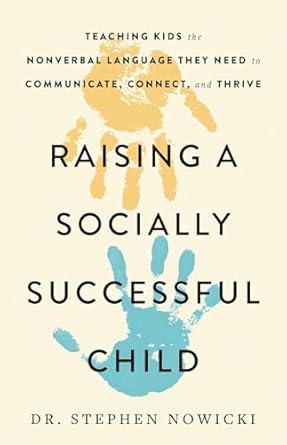
Child(ish) Reads: Raising A Socially Successful Child, Pt. II

When we say โ€œsocially successfulโ€, we mean making friends. Yes, how our child conducts themselves in public spaces in a way that is socially acceptable is one thing. Manners and etiquette are explicitly taught.

However, making friends is not exactly easy for most. Confidence, self-esteem, temperament; these all factor into the process personally. But then there is the reciprocation, the two-way street. Does this person like me back?

In Raising a Socially Successful Child, Dr. Stephen Nowicki explains the Friendship process; the different stages of how we start and maintain relationships.

Continue reading

Course Notes: Social and Emotional Development, pt.2

Social and emotional development involves gaining the capacity to understand, manage, and express. One way to guide its growth is with social and emotional learning (SEL). While this systematic approach is often seen in educational settings, it can be applied across the lifespan.

There are five competencies in this area, also known as the CASEL 5. They are:

  • Self-awareness โ€“ recognize oneโ€™s own emotions/thoughts/interests/values, how these qualities influence actions, as well as maintaining a positive self-view and belief in abilties
  • Self-management โ€“ regulate emotions/thoughts/behaviors in different situations, handle stress and resist urges, and set goals
  • Social awareness โ€“ understand subtle social/cultural rules and norms, considers other perspectives, show respect and empathy towards others
  • Relationship skills โ€“ establish and maintain relationships with others, resist negative social pressure, work well with others, prevent and solve conflicts with others, seek help when needed
  • Responsible decision making โ€“ accurately identify and evaluate problems, make decisions based on ethical and social norms, consider context when making decisions, contribute positively to the community

These skills enable us to maintain a healthy self-perception, manage stress effectively, comprehend others, and collaborate to support the community.

Continue reading