
Attention Span and Learning

Before a child can remember a story, solve a problem, or follow a direction, their brain must stay with the task long enough to take it in. Their ability to focus, shift, and sustain attention shapes how well they absorb information, make connections, and build new skills.

However, a growing body of research points to shorter attention spans among young children, especially in the early grades. Studies of children ages 7–12 reveal measurable declines in sustained attention, including a reported 27.4% drop during continuous-focus tasks. Teachers echo these findings, noting that many students now struggle to stay engaged for more than 10–15 minutes. Oh, and did we mention that reading stamina has dropped as well?

We know what you’re thinking. “Surely, this won’t be MY child…”
But then you notice exactly how often you’ve had to repeat or remind or redirect your kid, over… and over…and over again.
And suddenly, “Is this f’n play about us?”

Attention is critical for learning because it’s the gateway skill that makes all other learning possible. Without it, nothing can truly stick.

Continue reading
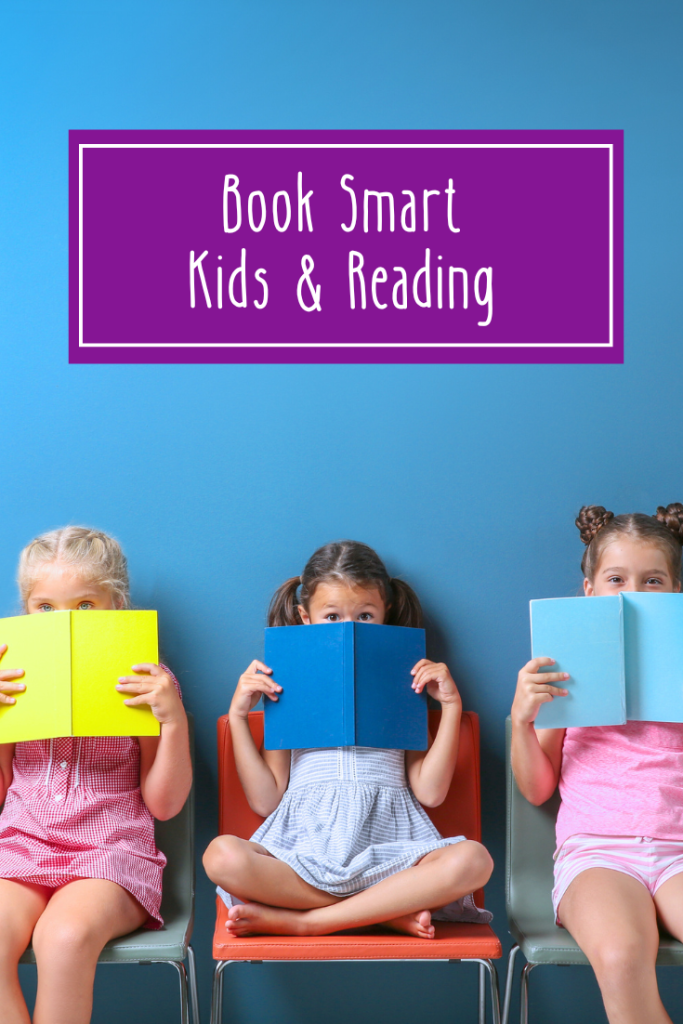
Book Smart: Kids and Reading

A few years ago, we did a Child(ish) Reads on a book called Thirty Million Words by Dana Suskind, M.D.  Its core concept is based on the research by Betty Hart and Todd Risley who, in 1995, found that by the age of three, children from higher-income families hear about 30 million more words than those from lower-income families. This disparity plays a substantial role in shaping academic outcomes and long-term success.

This topic has become top of mind this year as our school board is aligning its priorities with Georgia’s Early Literacy Legislation, which aims to ensure all children become proficient readers by the end of third grade. So why third grade?

Continue reading

I Think We Need a Tutor

Every night, not unusually, Troy and I read to A&Z before bed. We had done a bit of a library purge and made sure that they had a variety of Early Reader and Beginner Chapter books, having already gone through all of our picture books. Now that the girls were older, I wanted to make sure the girls were being challenged by the material, instead of reading the same books over and over.

We switched to reading aloud together and let the girls alternate pages or passages. That’s when what used to be an understandable gap turned into one of our kids falling behind.

Continue reading

Child(ish) Reads: The Learning Game

Obviously for #backtoschool, we’re going to review a learning title. I requested The Learning Game from NetGalley earlier this year.

Personally, I may have gotten to a point where parenting books are starting to be redundant. I don’t usually post bad reviews, preferring to just skip over them and share something better. However, I think I’m due for a little rant…

The Learning Game: Teaching Kids to Think for Themselves, Embrace Challenge, and Love Learning by Ana Lorena Fábrega.

Continue reading

A Resilient State of Mind: Dealing with Failure

Part of a child’s job is to learn, and failure is an inevitable part of learning. Failure is also an inevitable part of building resilience. Resilience is the ability to face life’s stressors/challenges, learn from mistakes, and recover. It’s a big cause and effect game happening in your child’s brain.

Our kids fail all the time, especially when communicating what they want or need in the first years of life. As they get older and experiment with boundaries and connect information, they can organize all of that cause and effect and turn it into action. They figure out what works (asking for help) and what doesn’t (throwing a fit), learning and adapting with each new situation.

But somewhere in their early school years, our kids can start viewing failure as a bad thing, limiting their exposure to new experiences, encounters, and achievements. What caused this switch and how can we help our kids embrace failure rather than avoid it?

Continue reading