
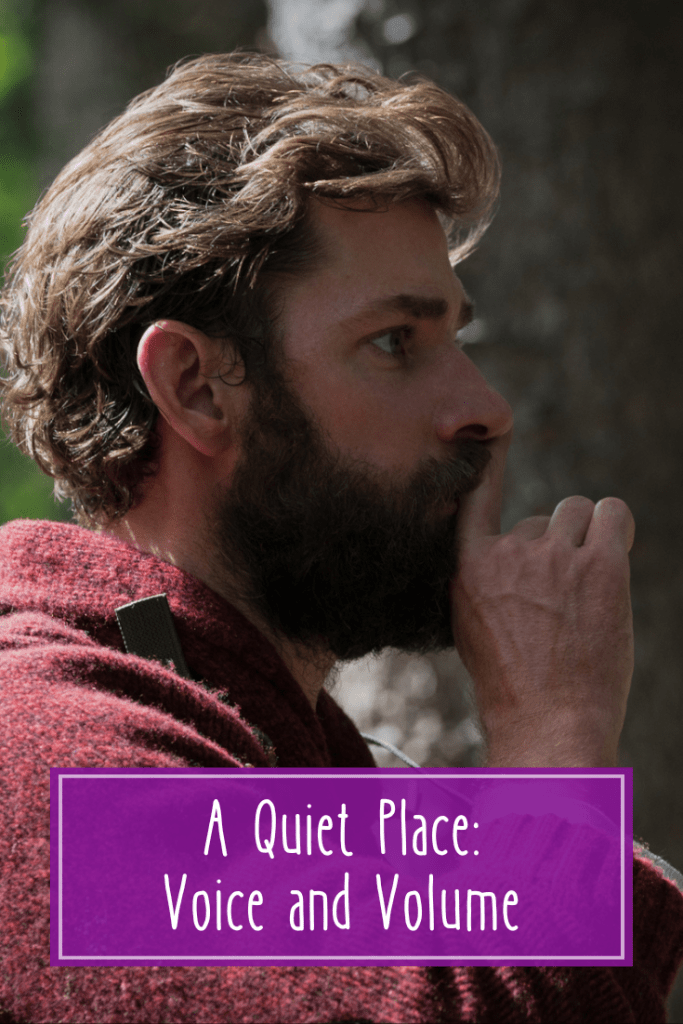
Lee Abbott (signing): You cannot go down there!
Regan Abbott: Why not?
Lee Abbott: You know why.
Regan Abbott: I’m not a child! I won’t make a sound!
Lee Abbott: Just don’t. Please.
“Quiet” isn’t the first word that comes to mind when describing kids. More often, they fill every corner with sound—shrieks of joy, dramatic retellings, spontaneous dinosaur roars. Children tend to operate at full volume…unfortunately. As it turns out, there are real, developmental reasons behind all that noise.
Kids tend to be loud, not because they’re misbehaving, but because they’re still learning. Self-awareness, emotional regulation, and social cues are all works in progress. They’re figuring out how to read the room, tune into themselves, and turn the volume dial down. Add in boundless energy and curiosity, and volume becomes part of how they explore, connect, and express themselves.
Continue reading
 Child(ish) Advice