
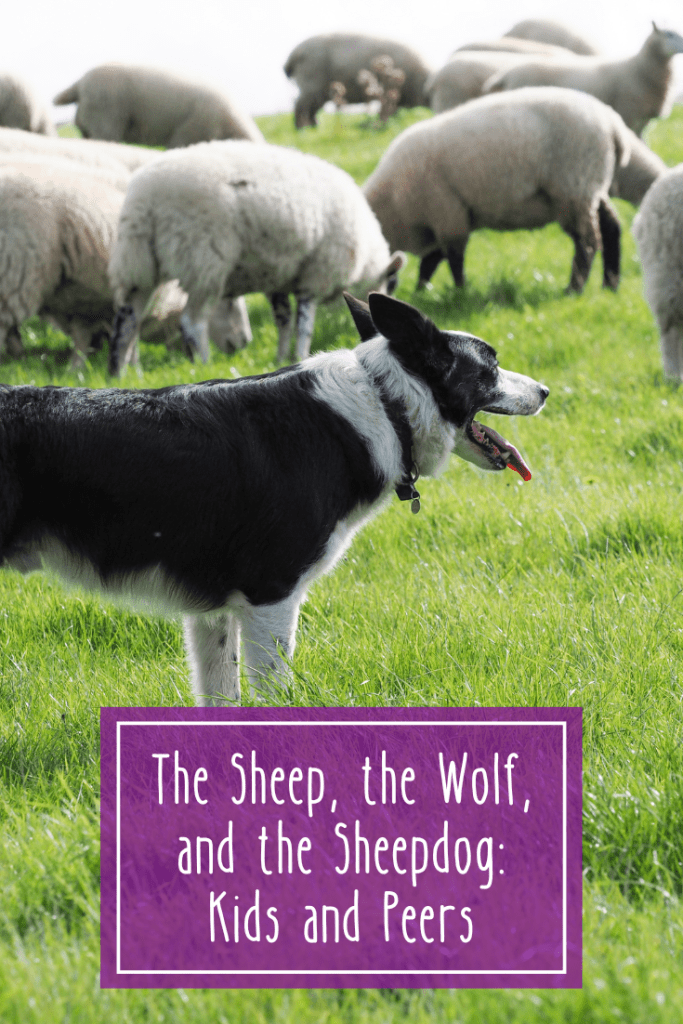
There are three types of people in this world: sheep, wolves, and sheepdogs. – Wayne Kyle, American Sniper
My husband has used this analogy to explain certain types of people to our son ever since he was little. Granted, it is an oversimplified explanation of human nature, but it gets the point across. In our version of the metaphor, sheep are those who cannot defend themselves when harm comes their way, wolves take advantage of their vulnerability, and the sheepdog stands up and protects the sheep. It’s a visual way to tell him to be a decent human and not be a d*ck.
While our son has long understood this concept, it’s becoming harder for him to follow. In fact, it feels like he’s exhibiting more wolf-like behavior these days. Turns out the shift between sheepdog and wolf mirrors the growing complexity of his social circle and how kids his age are dealing with the next level of social skills and challenges.
Continue reading
 Child(ish) Advice