Our Three-Week Check-in

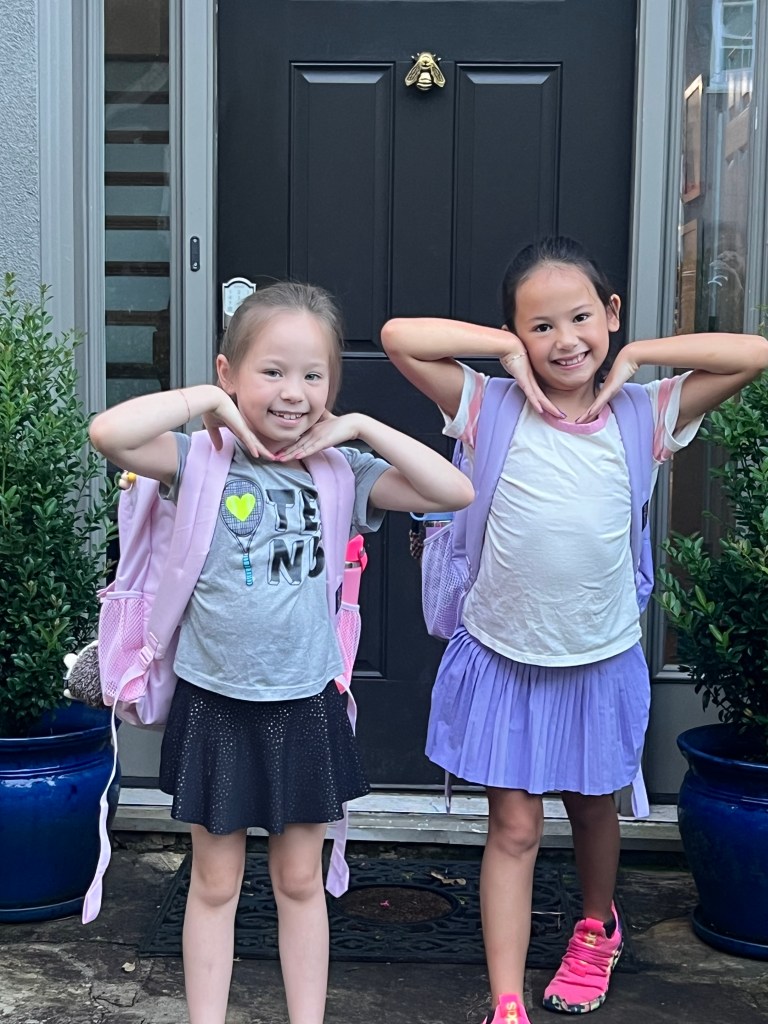
OMG, they have to walk upstairs???

So many little things and changes pop up at the beginning of the school year. While they may not seem like that big of a deal to kids (especially if they’ve been in their school for a while), for parents it’s a sign of time passing too fast.

Continue reading

Back to School Month: New Beginnings

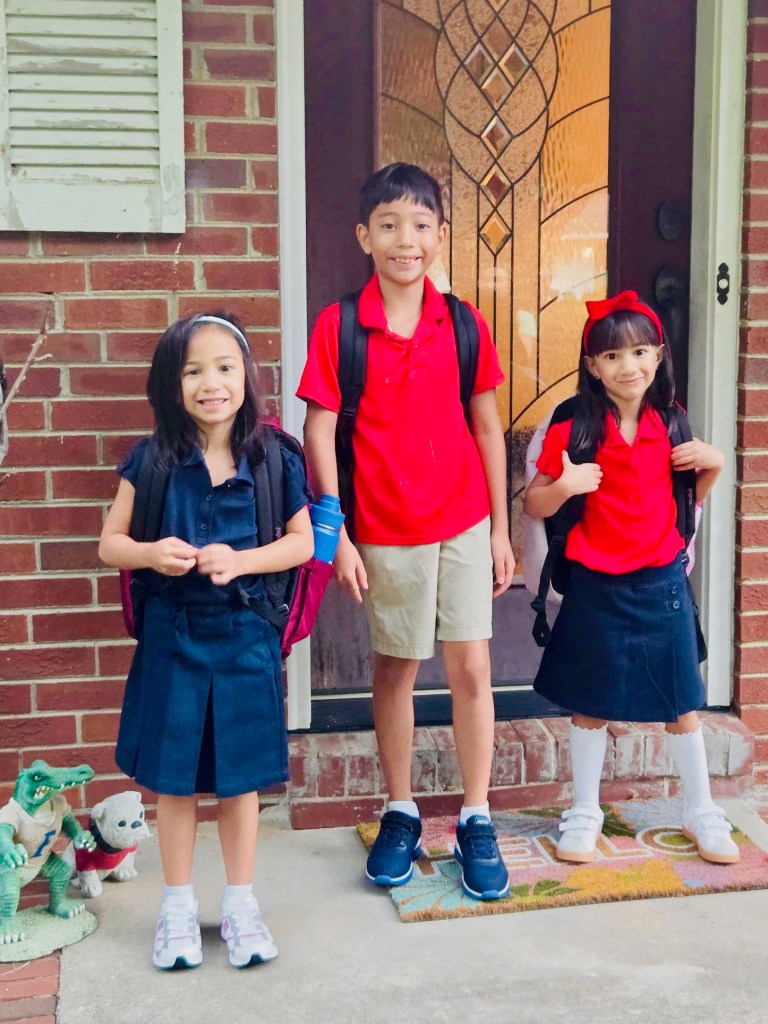
We’ve been doing Back to School month for three years. In that time, we’ve written about navigating new schools, new friends, and new teachers.

But while open houses and curriculum nights might seem same old-same old at this point, there are always small changes and new starts each academic year. And even if everything about school remained the same, our kids (and ourselves) are constantly growing and changing.

Continue reading

You’re On Your Own, Kid: Navigating the 3rd Grade Transition

The jump from 2nd to 3rd grade is considered the first big “Academic Transition”. The other two academic transitions are the jump from elementary to middle school, and the jump from middle to high school. These academic transitions are so aptly named because of the increased workload and subject matter difficulty, as well as the higher expectations of emotional maturity, personal responsibility, and independence.

Think about it. Kids aren’t doing circle time anymore to start their day. They aren’t reminded to use the bathroom or hold hands with their partners on a field trip. Kids are actually graded by the quality of work they submit, not just a check or check plus for completion.

My son is in third grade this year, and I can feel the pressure. Each week brings homework and a steady stream of graded material—whether it’s a practice sheet, a quiz, or a formal test. On top of that, he’ll be taking the Georgia Measurement Assessment System (GMAS) for the first time. It’s hard not to feel like everything rides on this one year.

Continue reading

Handwriting Q&A

Handwriting is a complex skill. It requires our sensory and motor mechanics to work harmoniously together to make our writing remotely legible. And when we start working with our kids on how to write letters, numbers, and eventually words and sentences, we notice that their writing is never going to look like our own. That’s when we question what is “normal”?

From their pencil grasp to writing upside-down, we wonder if these strange tendencies are just a quirk of little kids or something to be really concerned about.

Continue reading

A Resilient State of Mind: Dealing with Failure

Part of a child’s job is to learn, and failure is an inevitable part of learning. Failure is also an inevitable part of building resilience. Resilience is the ability to face life’s stressors/challenges, learn from mistakes, and recover. It’s a big cause and effect game happening in your child’s brain.

Our kids fail all the time, especially when communicating what they want or need in the first years of life. As they get older and experiment with boundaries and connect information, they can organize all of that cause and effect and turn it into action. They figure out what works (asking for help) and what doesn’t (throwing a fit), learning and adapting with each new situation.

But somewhere in their early school years, our kids can start viewing failure as a bad thing, limiting their exposure to new experiences, encounters, and achievements. What caused this switch and how can we help our kids embrace failure rather than avoid it?

Continue reading