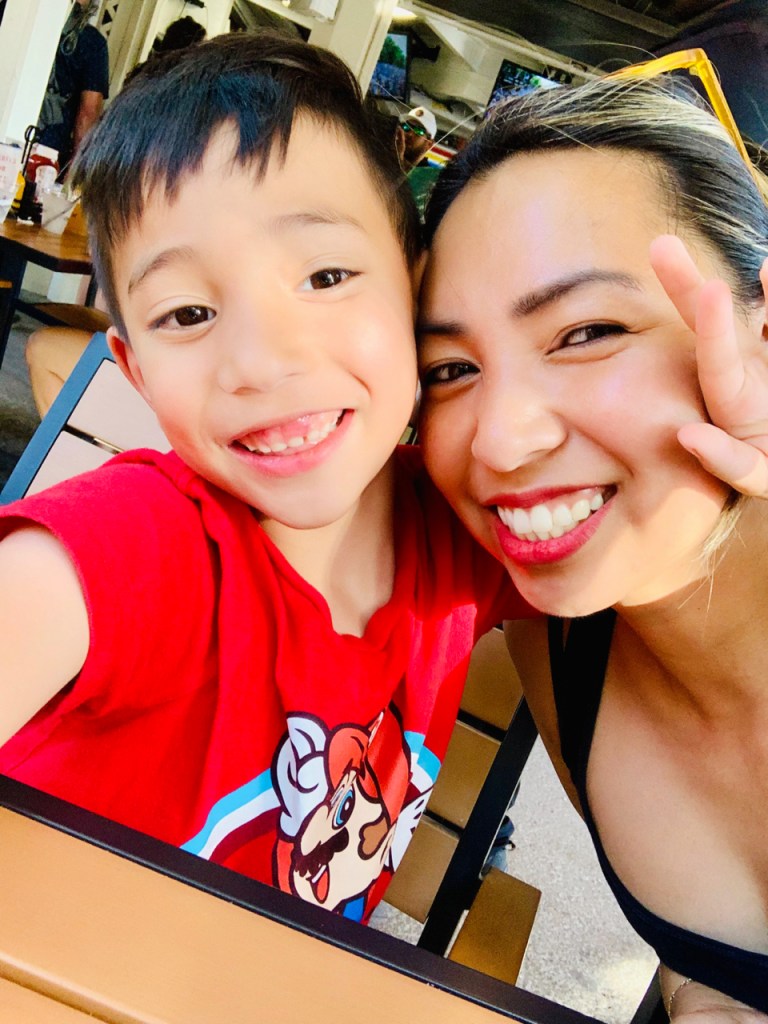
Two-Week Check-In (Mary’s Version)

It’s been two weeks since my son officially became a second grader and so far, things are off to a good start.  Thank goodness.

Last year was a bit of a mess. The first two months of his first-grade year were tumultuous, with frequent reprimands and constant negative feedback from the teacher. He started to loathe going to school, feeling like he was a bad kid and couldn’t do anything right. And then she abruptly quit, leaving his class to have a substitute teacher for the next three months. Turns out there were more kids in the same boat. Fortunately, the school was able to find an amazing educator who brought back his love of learning and school in the second half of the academic year.

Continue reading
Child(ish) Reads: The Learning Game

Obviously for #backtoschool, we’re going to review a learning title. I requested The Learning Game from NetGalley earlier this year.

Personally, I may have gotten to a point where parenting books are starting to be redundant. I don’t usually post bad reviews, preferring to just skip over them and share something better. However, I think I’m due for a little rant…

The Learning Game: Teaching Kids to Think for Themselves, Embrace Challenge, and Love Learning by Ana Lorena Fábrega.

Continue reading

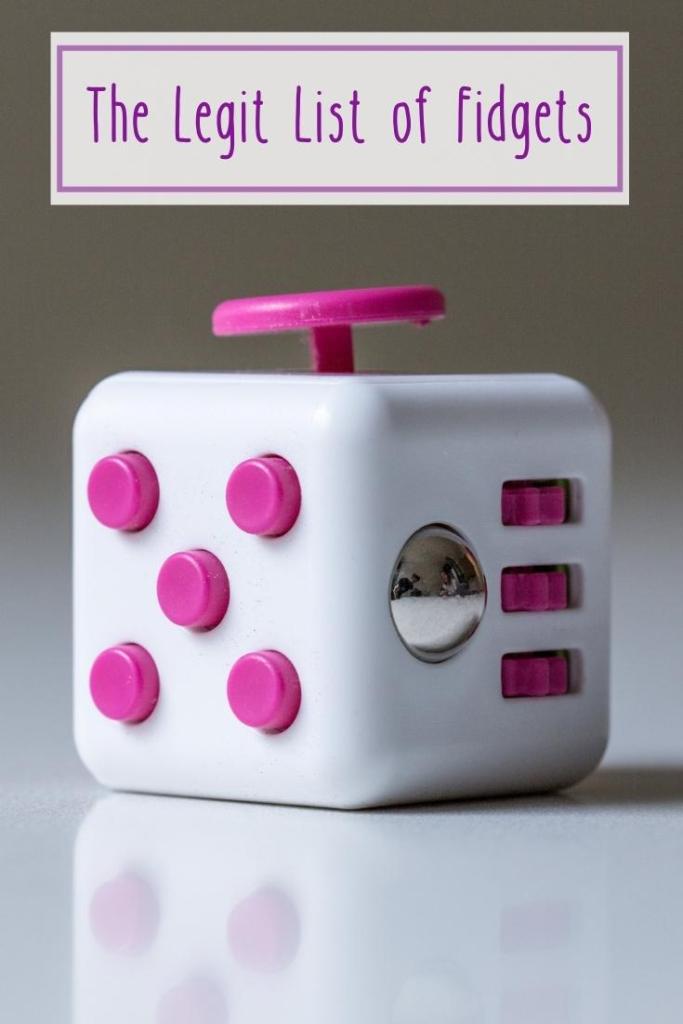
The Legit List of Fidgets

Fidgets are designed to allow us to self-regulate during times of stress or boredom, but no one fidget is created equal. Because our sensory needs are unique to us, what may work for you may not work for a friend, co-worker, or kid. So how do you know what works for your child? Rather than strolling down the toy section or browsing the endless lists of fidgets online, we broke it down to help you and your kiddo find that “just-right” fidget.

Continue reading

Quit Fidgeting: What’s the Deal with Fidget Toys?

What do stress balls, spinners, and Pop-Its have in common? They are fidgets and you can find them anywhere and everywhere.

Fidgets are self-regulation tools designed to help children (and adults) focus and attend to tasks by helping maintain an appropriate arousal level. Their genesis stems from our automatic need to move during times of stress or restlessness, releasing excess energy or soothing our nerves. The idea is to feed our sensory system the movement/touch/deep pressure its seeking when we aren’t able to just get up and move, like when kids are supposed to sit in their seats during class.

Continue reading