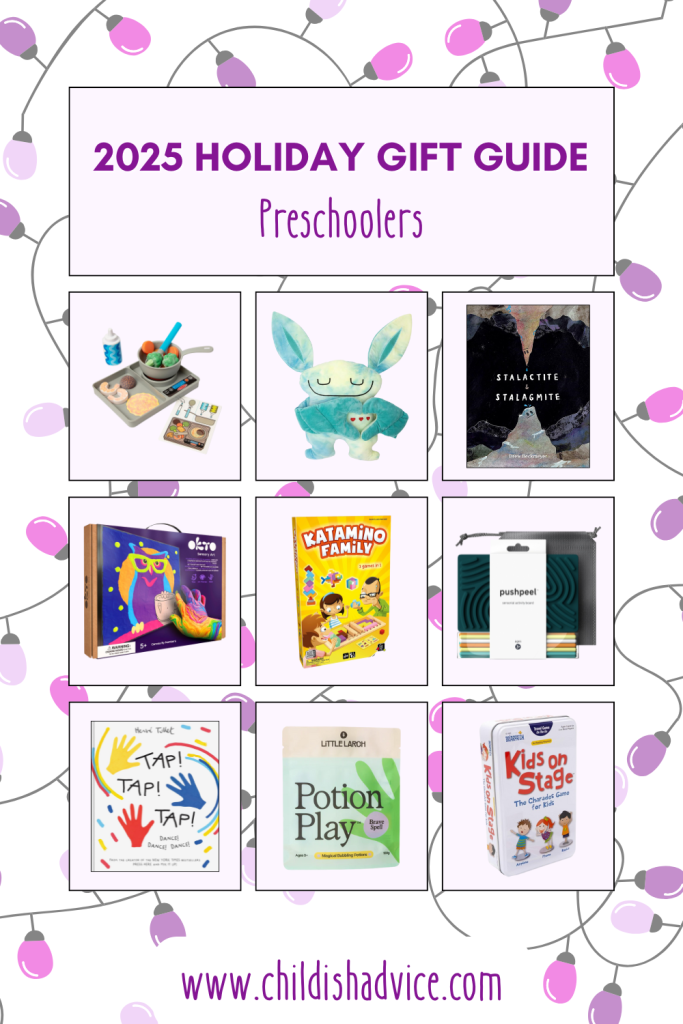
Between ages 3 and 5, children rapidly grow as curious problem-solvers, expressive communicators, and imaginative players. They build friendships, develop empathy, and gain physical independence. This all lays a strong foundation for school readiness and future learning.
Continue readingchild development
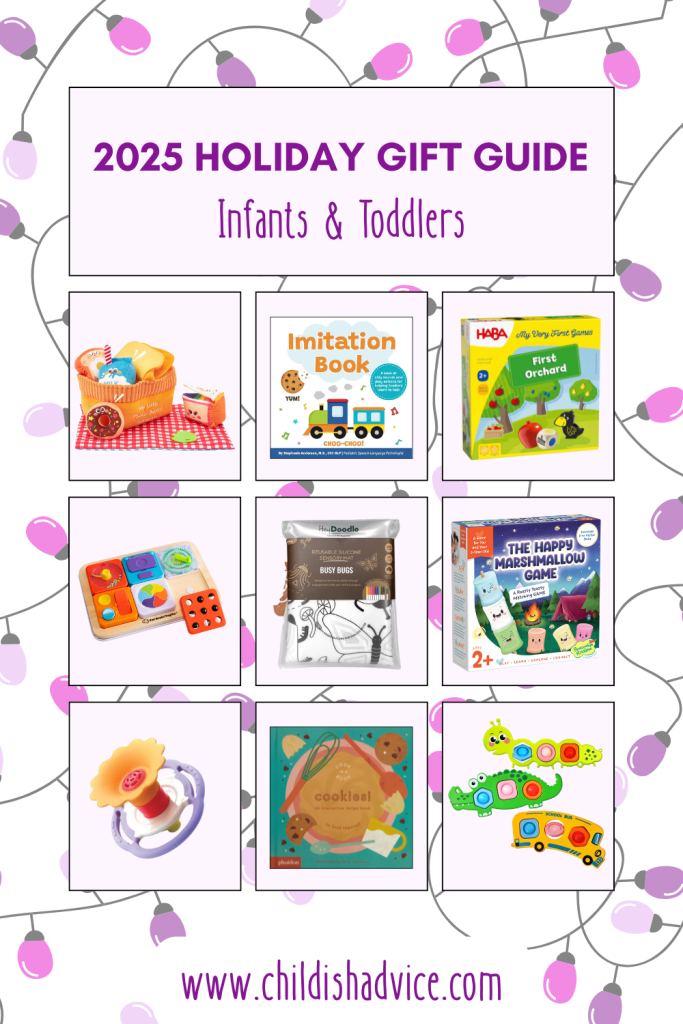
Holiday Gift Guide 2025: Infants and Toddlers
October is behind us, which means it’s officially wish list season. Sorting through the avalanche of toys and games online and in catalogs can feel more than a little overwhelming. I’ll be honest: narrowing down our favorites wasn’t easy. So yes, our list is on the larger side this year. But in our defense, every pick earned its spot.
To make the Child(ish) Advice list, we researched:
- Is it cool and new?
- Does it support child development?
- Does it stand out from all the rest?
- What do the reviews say about durability and practicality?
This year, we’ve grouped our favorites by target age and by category. First up, infants and toddlers.
Continue readingDouble, Double, Toil and Trouble: Twin Identities

Aunt Agatha: I have Lynn!
Kelly Farmer: I’m Kelly!
Aunt Agatha: Oh, whoever. I have your sister! If you care about her, you’ll give yourself up now!
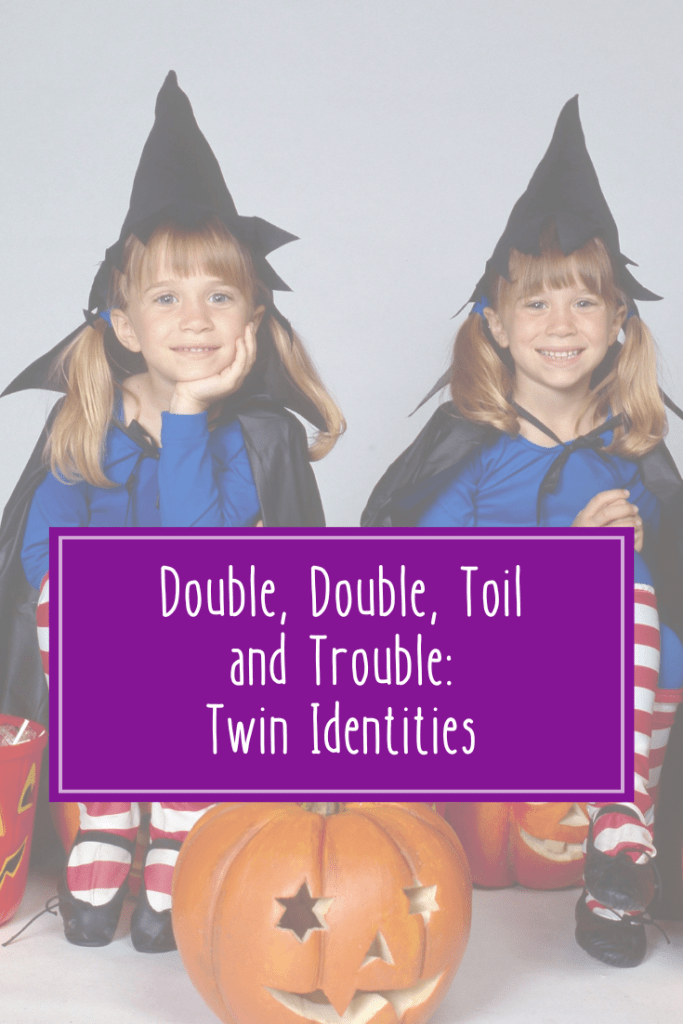
Twins are often seen as a packaged deal, especially if they are identical. You can’t say Mary-Kate without thinking about Ashley Olsen, or Tia and Tamara Mowry. Even my own twins are known at school simply as “the twins” or “H and K.”
Mix-ups and mistaken identities are common; and while they may seem harmless, these moments subtly shape how twins see themselves and relate to others. That’s why it’s so important for parents to recognize each twin as a unique individual, with their own personality, behavior, and strengths. This isn’t always easy as physical resemblance, emotional closeness, and family dynamic can make individuality harder to nurture. Factor in the reality that they’ve had a constant companion since the womb, and the journey toward individuality becomes even more layered.
Continue readingDon’t Scream, It’s just the Class Clown

Sidney: Stu, Stu, what’s your motive? Billy’s got one, the police are on their way, what are you gonna tell them?
Stu: “Peer pressure. I’m far too sensitive.”
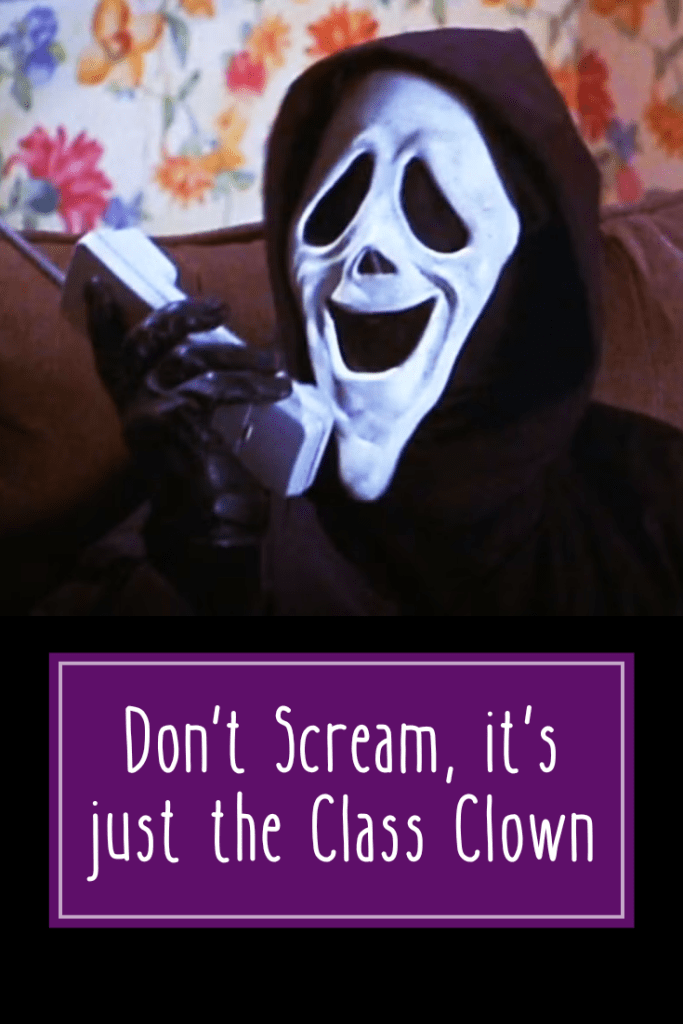
Oh, Stu Macher. Not only was he part of the very first Ghostface duo, but he’s also the ultimate class clown. Loud, impulsive, and constantly cracking jokes, Stu masks chaos with charisma. But beneath the blood and comic relief lies something eerily familiar: The emotional blueprint of a kid who uses humor to connect, deflect, and survive.
Continue readingThe Twin Brain
We are constantly fascinated by the brain and how it shapes behavior. Our chats about what is going on in our kids’ heads led to our last posts about the boy, girl, and even ADHD brain. So naturally as moms to twins, we turned our attention to twin neurobiology.
Twin brains seem to operate in a world of their own. It’s almost like one brain expressed through two distinct personalities. For example, my daughter H leans into logic and reasoning, while K brings emotional depth and creativity. Together as identical twins, they feel like complementary halves of a shared whole. My husband and I have also seen moments that defy explanation: one twin tearing up when the other gets hurt, or both making the same gesture at the exact same time. It’s weird, but it’s pretty cool.
Patti having fraternal twins, their brains are less complementary but more like synergistic sound boards. As they learn, they take cues from each other, speeding up their understanding and sometimes their competitiveness.
It naturally leads to the question: Are twin brains wired differently than singleton ones?
In some ways, yes. In others, not quite.