Arousal Levels and Amusement Parks

Amusement and theme parks look like a sensory nightmare. This goes for small, pop-up carnivals all the way to big, immersive theme park resorts. There are blaring speakers, flashing colors, crowds, constant movement…Honestly, I feel overwhelmed just picturing it.

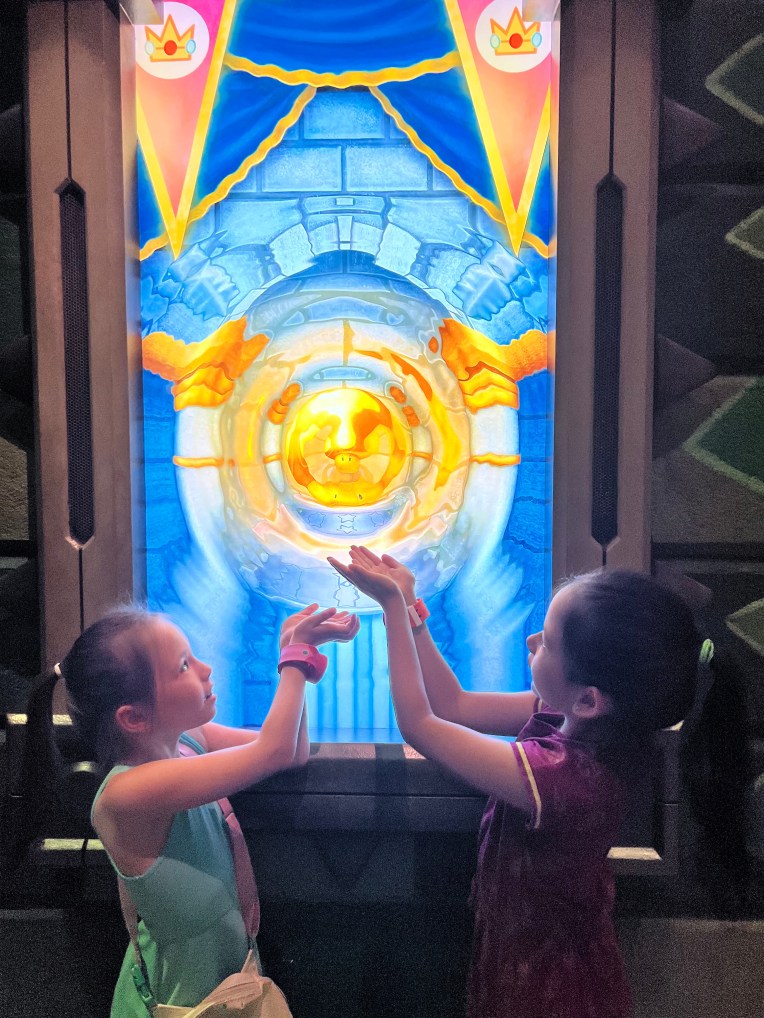
And yet, some kids who are usually sensory‑sensitive walk through those gates and suddenly become focused, regulated, and living their absolute best life. What kind of plot twist is that?

Some kids who are sensory-sensitive can look completely unbothered (joyful even) at amusement parks, and it feels like a total contradiction. It’s not. Their nervous system is responding to a different sensory pattern than the one that overwhelms them in everyday life. That difference has everything to do with sensory processing, arousal levels, and how they modulate input.

Continue reading

Our First Theme Park Survival Guide

Growing up in Florida, Troy and I would go to Disney at least once a year for school field trips. Gradually, that grew to loving roller coasters, fandoms, drinking around the world, and staying in the parks late at night. We were always with friends, had very little cash, and ended up passing out on the ride home.

Making a big to-do about Disney World was never a thing for our families. But, we thought long and hard about how we wanted to navigate Disney with the girls, knowing that it is probably worth it to do one big magical trip to Florida while they are still little princesses.

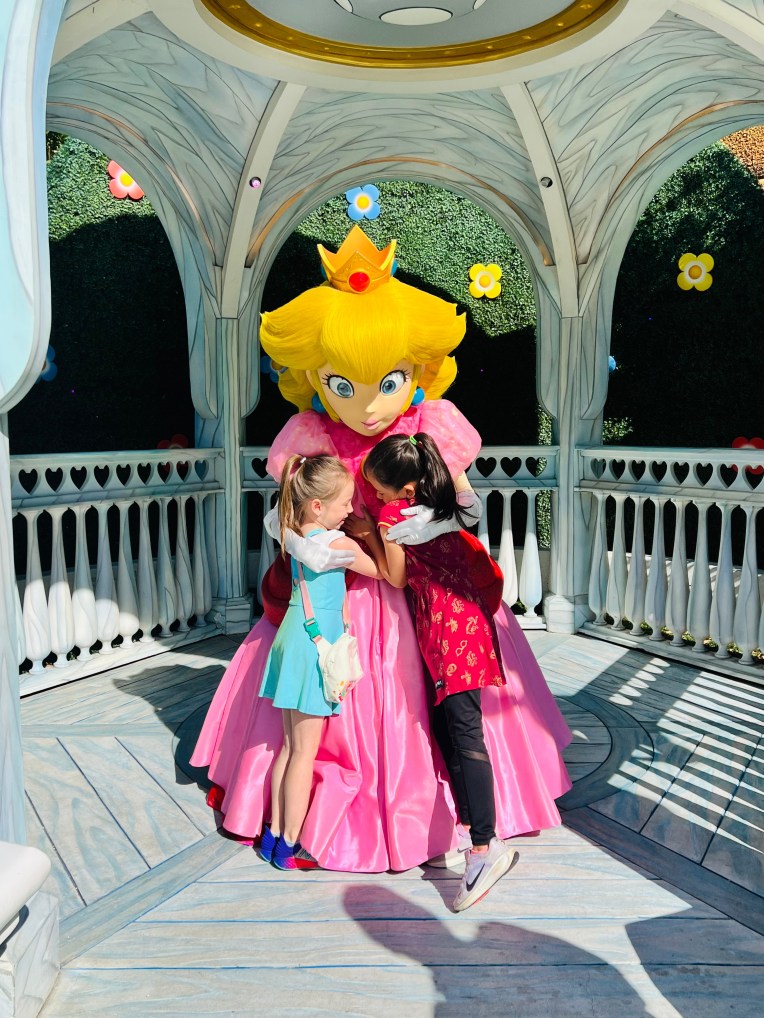
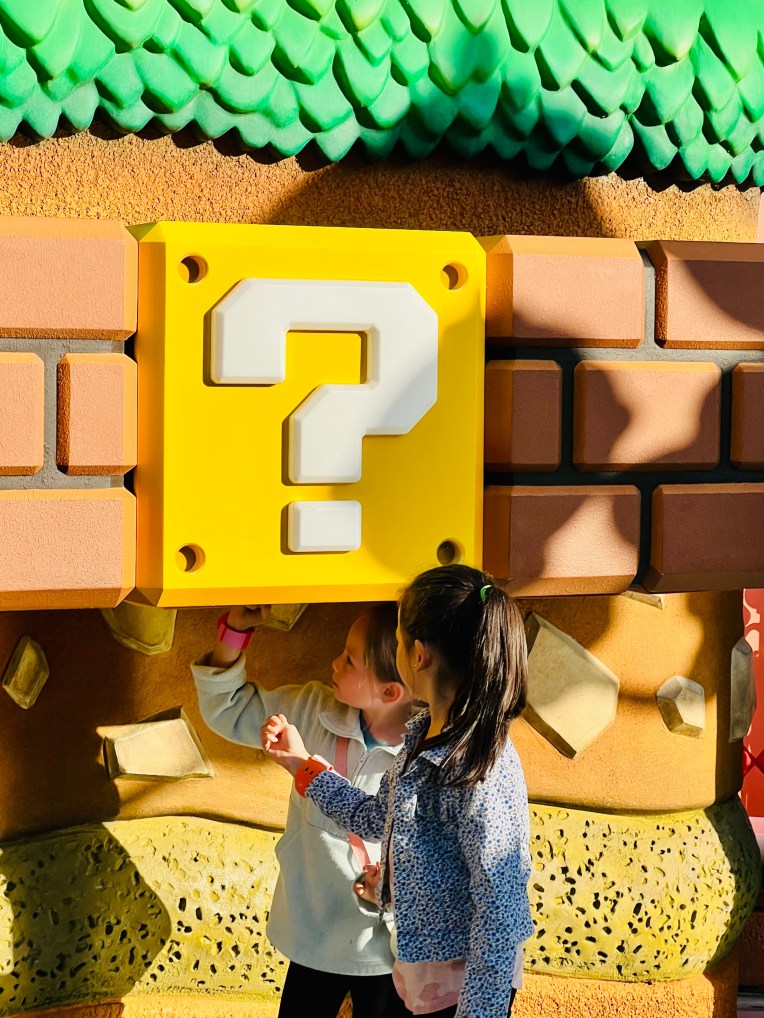
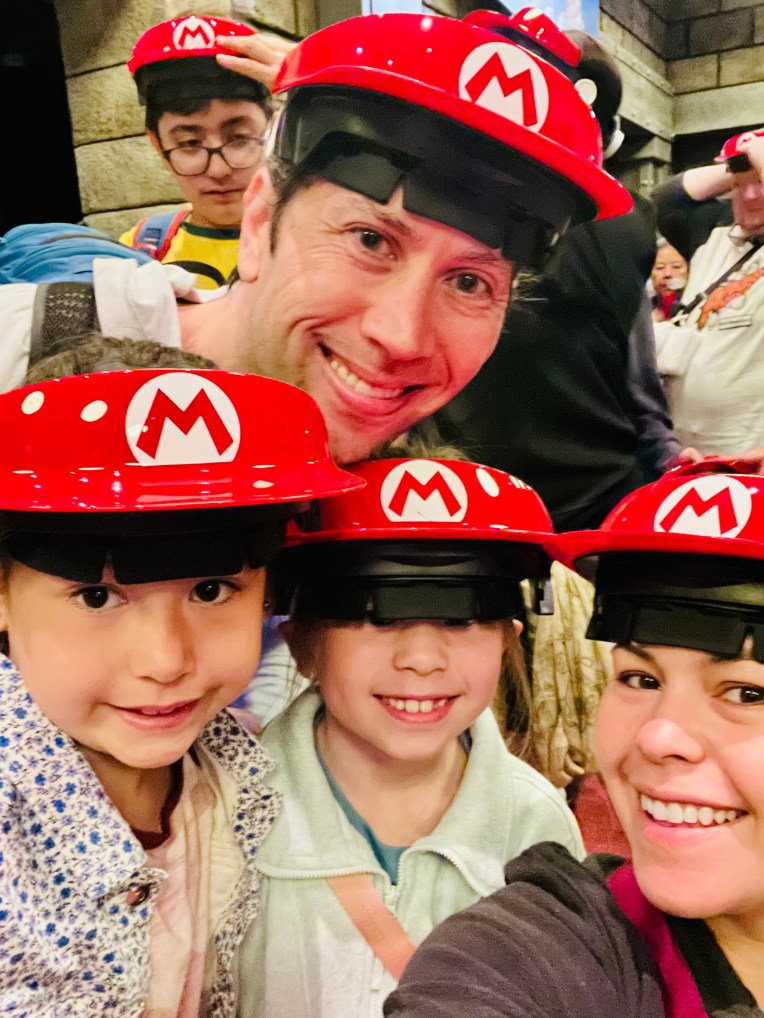
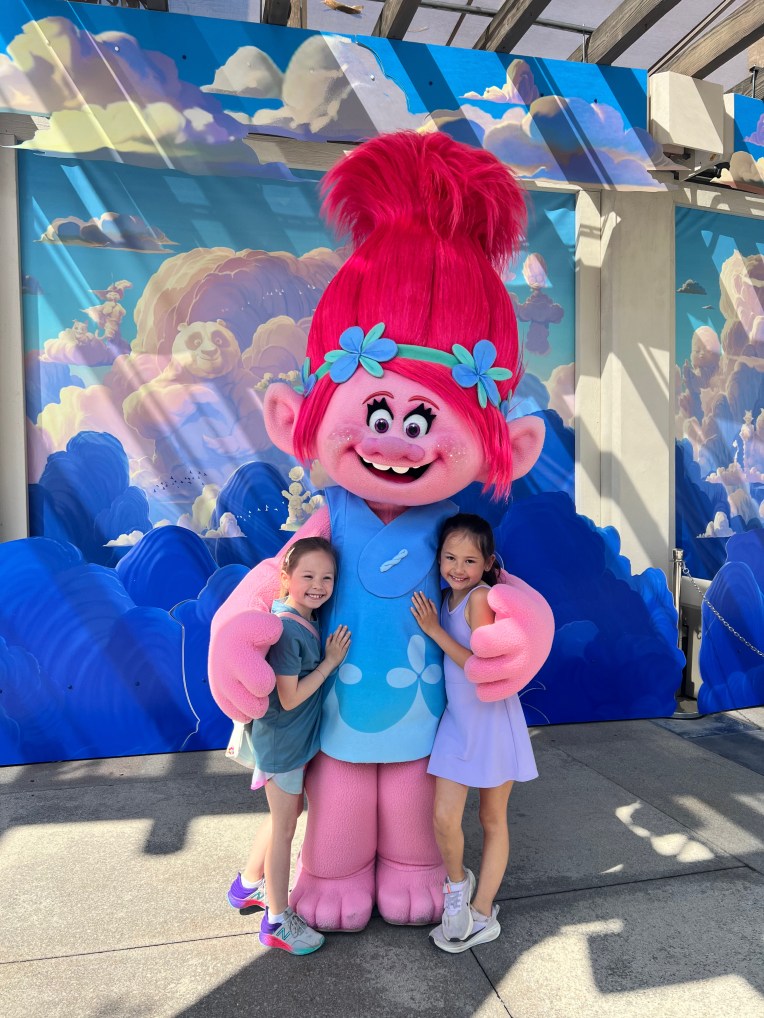
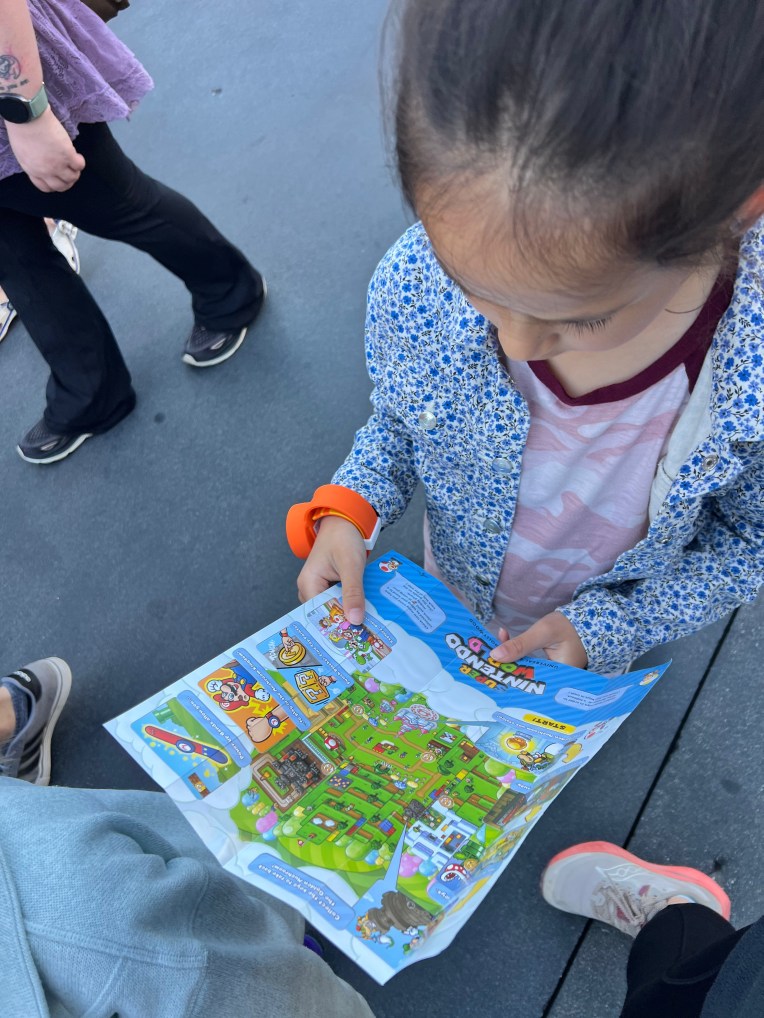
So for this year’s Spring Break, we decided to give them an amuse bouche while we were in California. In addition to Joshua Tree, Carlsbad, and sightseeing around LA, we took the girls to Universal Studios Hollywood. They are on the fifth Harry Potter book. Super Mario Galaxy just came out. Z just got over 42 inches tall. It seemed like the best time to test the waters.

Continue reading

Idle Hands: I’m Bored

Mick: So what? You like, knit now?
Anton: Randy broke it down for me. Idle hands is the devil’s playpen. So I’m thinking, you know, keep my hands occupied.
Mick: Nah man, that’s saying’s not…literal.


I’m BORED. If you’ve got kids, you’ve heard it. It’s the household equivalent of “Are we there yet?” And let’s be honest: it’s maddening, especially when they’re surrounded by all the toys, books, and art supplies you’ve curated at their disposal. Not to mention a chore list that’s still waiting to be done.

Recent findings reveal that boredom is a widespread experience among children. In a survey of 2,000 parents with children ages 3 to 12, the average time before boredom set in was just 33 minutes. Notably, 81% of parents reported that their children consistently sought new activities after returning home from school or daycare. Although this survey highlights a persistent need for engagement across age groups, it doesn’t tell the whole story.

Continue reading

Creating a Sensory Diet: Arousal and Self-Regulation

Arousal refers to the ability to maintain an ideal level of sustained alertness needed to complete various tasks and activities.

In general, we are most productive in a calm-alert state with moments of low- and high-arousal in between.

Every day, our bodies constantly seek out ways to maintain the optimal state of arousal necessary to complete tasks and activities. Sure, there might be moments of lethargy or hyperactivity, but that’s typical. As adults, we have the ability to seek out whatever we need to help us self-regulate (Hello, coffee!).

However, children don’t have the freedom or knowledge to get them to where they should be. So when they are jumping off the walls, are cranky or tired, or just in a complete meltdown, it’s because they have exhausted the mental energy needed to handle stimuli and expected tasks (i.e. focusing on an assignment, completing chores, or engaging politely with others). They’ve simply run out of gas.

So, how can we help our kids self-regulate throughout the day, especially when they are stuck at home?

Continue reading