Things We Loved: Back to School

This was the longest (yet shortest) summer ever. Our families have been all over the map in these last couple months and both of us are new Elementary school families starting next week! (OMG…)

So, we’re keeping it light with the things we loved this summer and what we’re using to get ready for the fall.

Continue reading

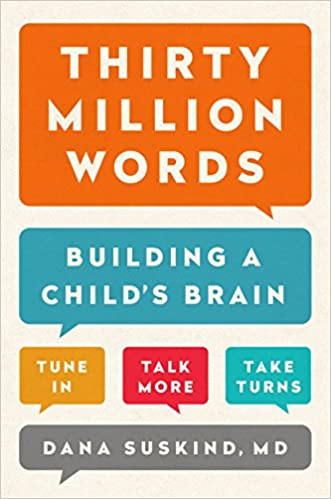
Child(ish) Reads: Thirty Million Words

This book appeared on my radar earlier this year. Author Dana Suskind, M.D. just came out with a new title, Parent Nation: Unlocking Every Child’s Potential, Fulfilling Society’s Promise, and this was one of her previous books listed in her bio. Thirty Million Words was available from my library, so I gave it a try on a work trip in April.

Continue reading

Interoception: Inner Workings

If your child is fidgeting in their seat, grouchy, or on edge, it’s easy to assume that they need a sensory fix to regulate themselves. However, if this happens on a regular basis, there could be more to it.

Interoception is our sense that handles the internal body sensations coming from our organs (including our skin). As our organs deliver signals to the brain (stomach growling, dry mouth, droopy eyes, etc), the brain gives meaning to these indicators (hunger, thirst, fatigue) and addresses them appropriately (eat, drink, sleep). These sensations and responses can vary from person to person.

Continue reading

Motion Sickness and the Vestibular System

To get anywhere, we have to move; relying on forms of transportation to get us from point A to point B. However, it’s easier said than done when you’re a parent. Some kids don’t do well with movement outside of their control, including travel by car, boat, or even using the elevator. Thus, we get the ever-dreaded…motion sickness.

Motion sickness occurs when there’s conflicting information between what the eyes are seeing and what the body is experiencing. This can happen when we attempt to read a book while riding in a car, or experience turbulence while on a plane, or having “sea legs” after getting off a boat to name a few.

Continue reading

More Than Meets the Eye: Visual Perception

We are visual beings.

How we assess our environment, learn new skills, or consume entertainment is primarily through our eyes. We rely on our visual system so heavily that many times we don’t need our additional senses (touch, taste, hear or smell our surroundings) to know what’s going on.

So, if our kids overlook important visual details (like putting on a matching pair of socks), or can’t recall what they saw (“Where did you put your backpack?”), or have trouble discriminating between numbers and letters, it can be very concerning to us as parents. About 75% of classroom activities rely on the visual system.

In our throwback post, we learned that visual perception is the total process responsible for receiving and interpreting what we see. It involves visual-receptive (how our eyes move and focus on an object) and visual-cognitive components (how we interpret visual information).

When your child’s visual processing is compromised, we’re quick to assume that they need glasses/contacts or other visual aids. Although that may be the case, other factors can play a role as to why they’re seeing things differently.