In part 1 of my Dopamine Kids review, I said that Michaeleen Doucleff’s five-step plan is very easy to implement. She walks through each step and gradually builds the plan with each chapter. Just like a textbook, you read the material in the first section and do the direct application right after.
So for part 2, I’m sharing my family plan and how I’ve adapted the steps for A&Z.
I was very excited to receive my pre-ordered audiobook of Dopamine Kids by Michaeleen Doucleff. Yes, the same Michaeleen Doucleff from Hunt, Gather, Parent. It has been 5 years since I reviewed that book, and I love how Dopamine Kids fits in so perfectly with all of our Brain-Body posts this month.
Blurb: For the first time in history, we are inundated with “dopamine surges” inside our brains, pulling us to technology and ultraprocessed foods like magnets—every day, many times a day. Over the past decade, neuroscientists have finally begun to figure out how these surges alter our choices, our habits, and even our moods. We’ve learned how dopamine can drive adults and kids to engage in activities that we don’t actually enjoy—activities that can make us feel sad, lonely, anxious, and depressed.
No one can escape the stories from older generations about what life was like when they were growing up. They talk about walking miles to get anywhere, playing outside until the sun went down, or buying a soda for a nickel.
And sometimes, those stories come with the reminder that “back then” there was no such thing as ADHD, or food allergies, or emotional trauma, etc. If you’re lucky, they may even suggest that if parents tried a bit harder or used a little more discipline, children these days would be able to sit still and pay attention. Bless their hearts.
The truth is that the kind of attention kids (and adults) need to thrive today is not the same type of attention that was required 30 or 50 years ago. Our society/environment has changed so dramatically that the “old model” of attention (sit still, focus for long stretches, ignore distractions) is only one part of the picture now.
Photo credit: A.I. Artificial Intelligence, Warner Brothers.
AI is everywhere.
It’s woven into many systems we interact with daily, often quietly in the background, shaping how information, services, and digital tools respond to us. From search engines and virtual assistants to streaming platforms and “listening” smartphones, AI has increasingly taken on tasks that rely on prediction, personalization, and pattern recognition.
AI’s influence is also reshaping what children learn, how they learn, and the teaching methods that are practiced in today’s classroom. A 2026 report found that AI can boost learning when it’s used alongside effective teaching, expanding access to students with disabilities, multilingual learners, and neurodivergence. It can also reduce teacher workload so instructors can give students more individualized attention. However, without clear safeguards, AI could reduce student agency, weaken meaningful learning, and hinder their emotional well‑being.
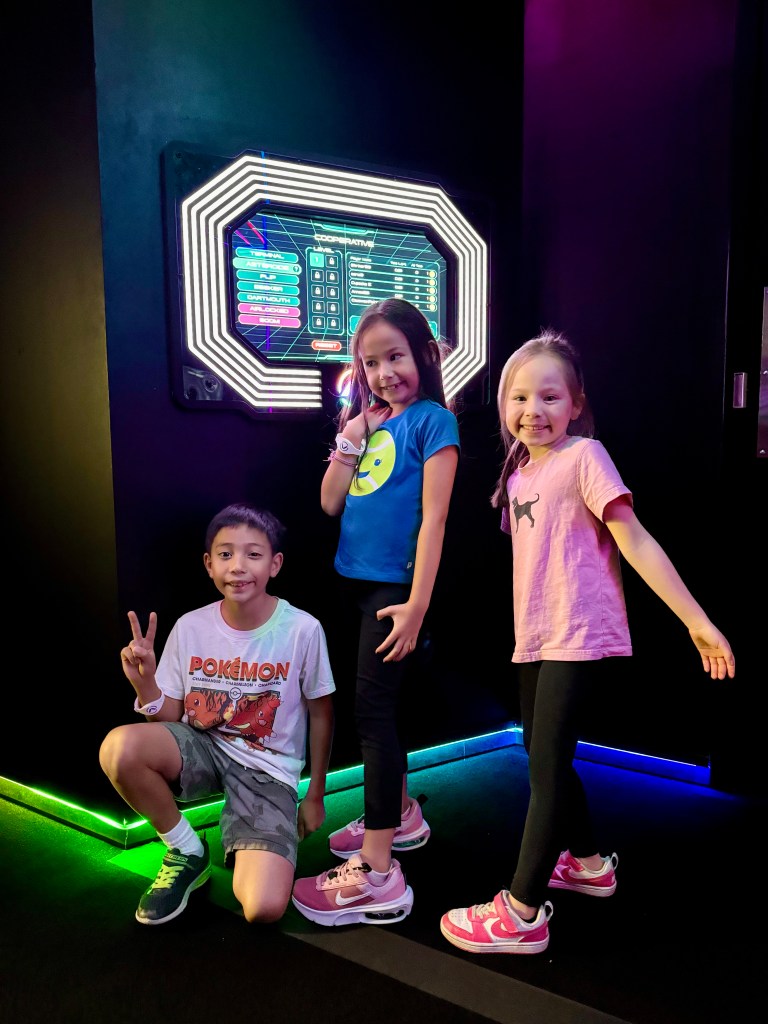
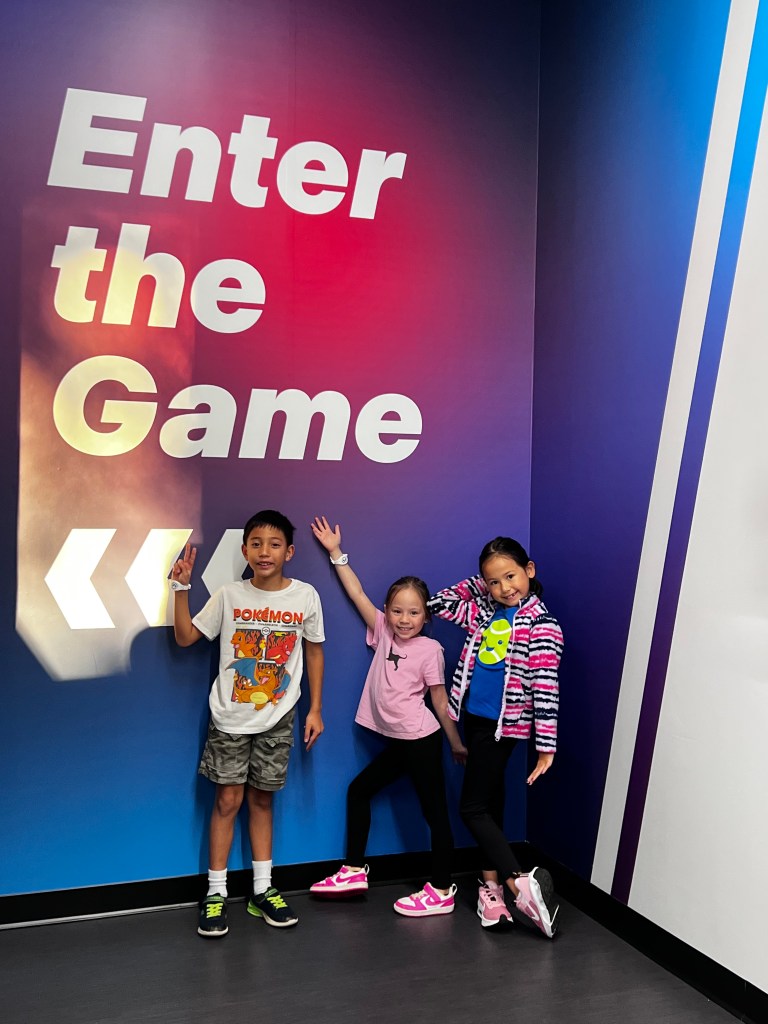
For our last 2025 Playdate Review, Mary and I headed over to Activate Games. We had brainstormed this venue a few years ago, but our kids were just under the age recommendation. Now that they are 7 and 8, we decided to give it a try and see how they’d fare.
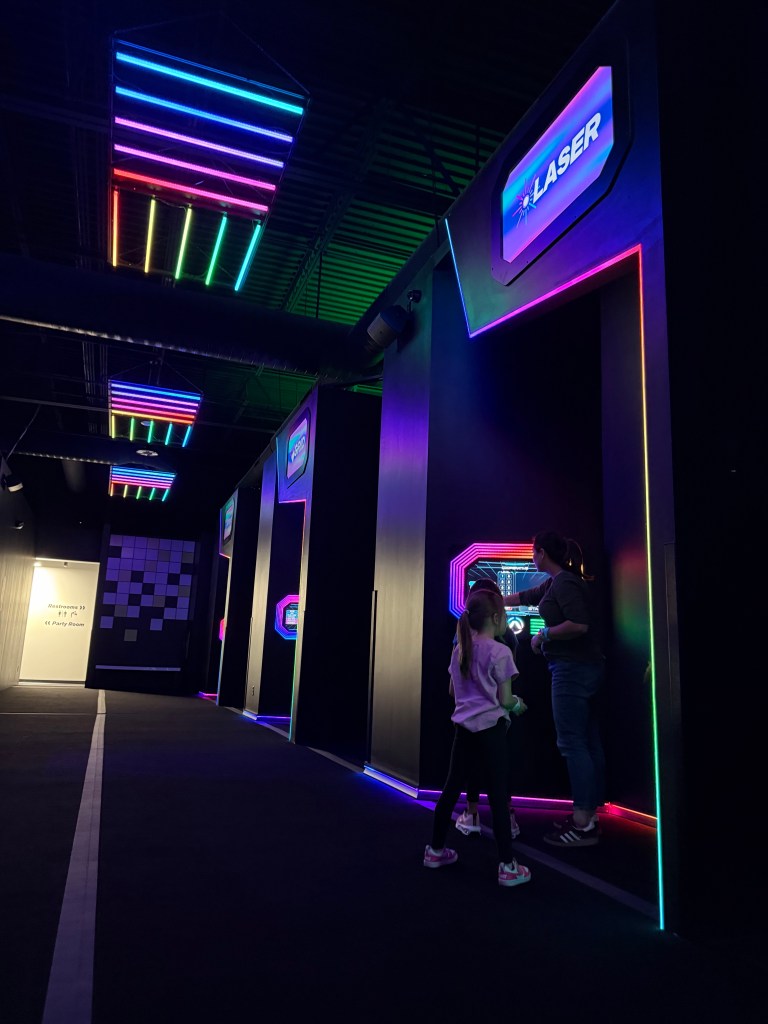
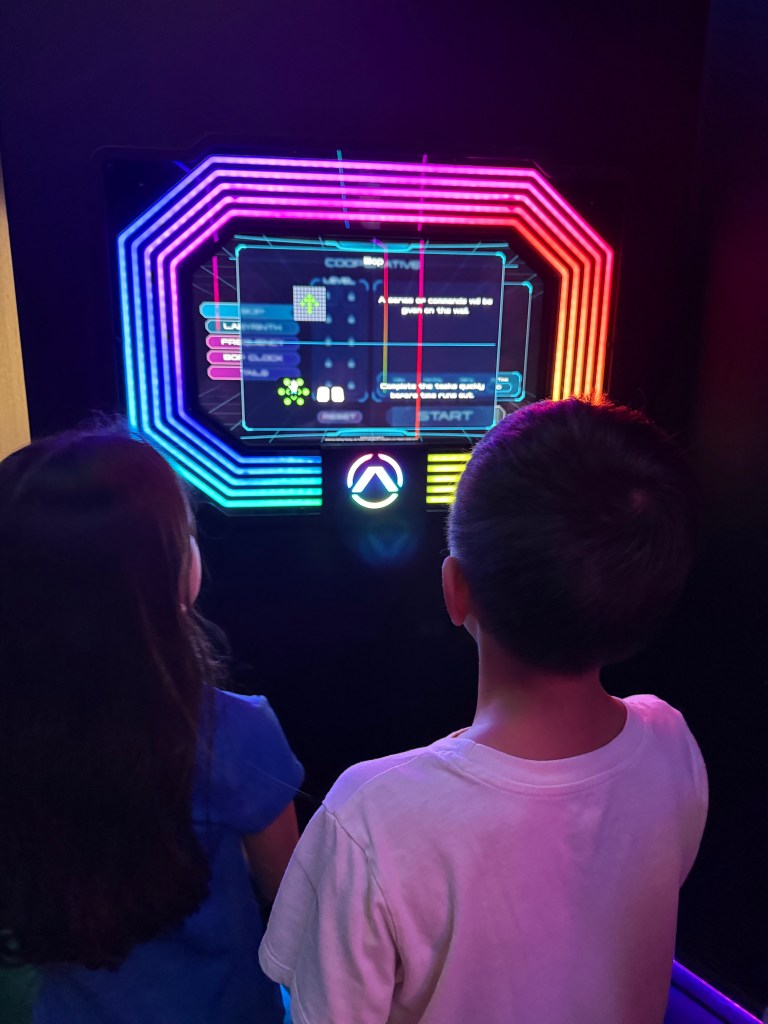
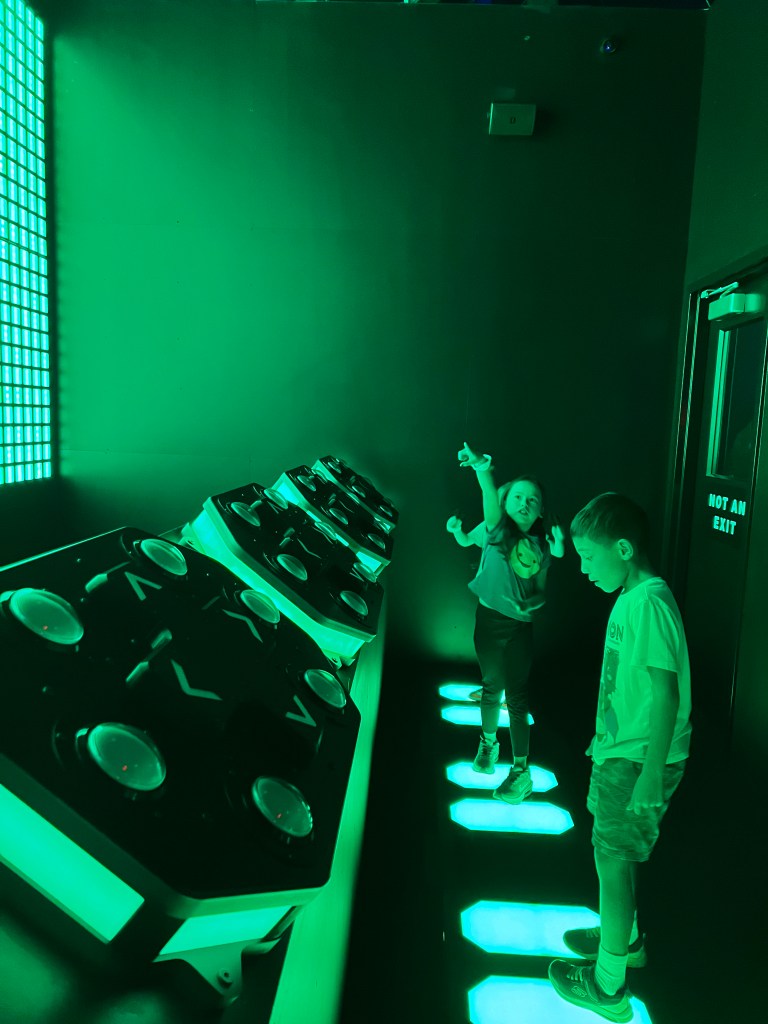
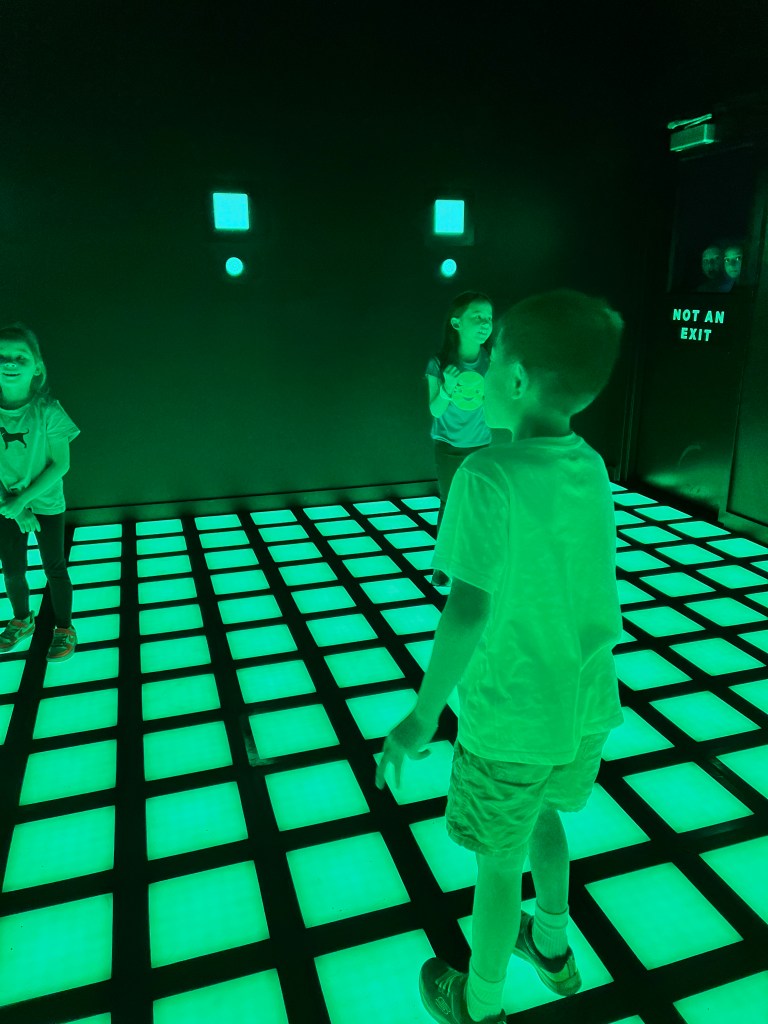
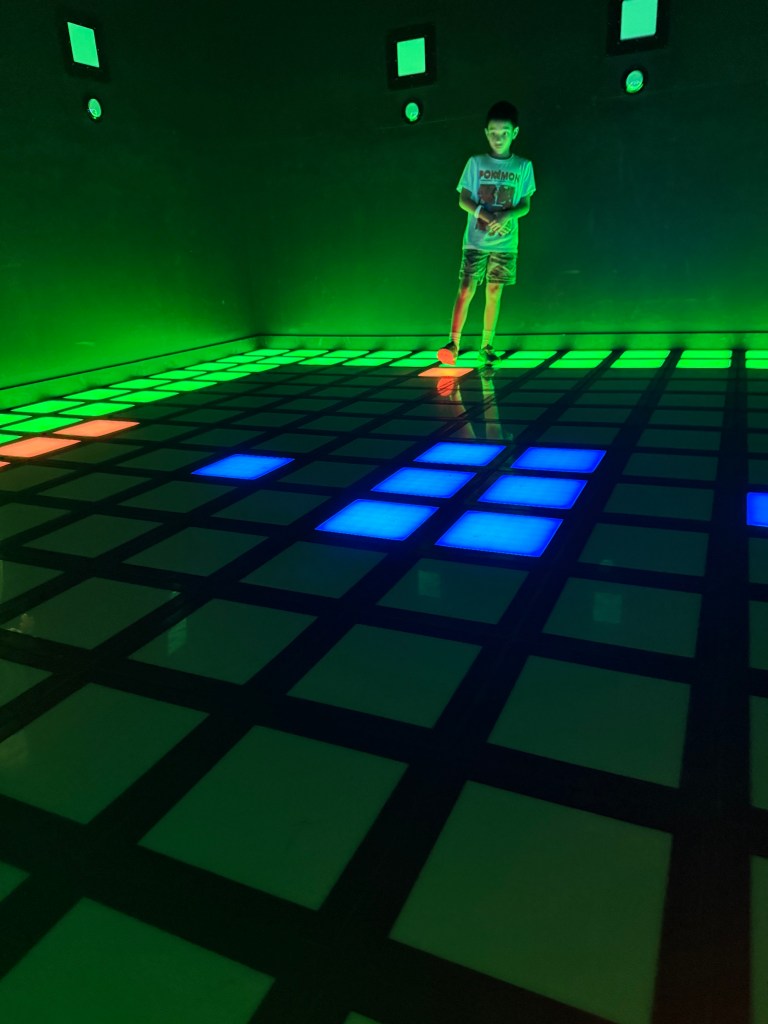
Activate is an indoor, high-tech gaming facility where you and your friends physically step into interactive game rooms that blend technology, puzzles, and movement. It’s like stepping inside Nick Arcade. The environment reacts to your movements in real time. Each themed game room is filled with lights, sensors, and challenges:
Laser mazes: Duck, dive, and dodge beams to reach the other side.
Climbing and agility rooms: Test your speed and coordination.
The kids have all done their fair share of video gaming and interactive gaming with their consoles, VR, laser tag, and Immersive Gamebox. Mary and I have also had a couple adult group outings with immersive gaming. Could we shepherd them into a new gaming world??



 Child(ish) Advice