Our Rage Room Mom date

Yay! New blog feature.

We’ve written extensively on PPD and how important it is for moms to take time for themselves. This recharges our social battery and keeps us balanced, so our entire lives aren’t completely ruled by our kids.

Looking forward, I came across a teen parenting account that said that one of the reasons teens stop looking to their parents for advice and quality time is because their parents aren’t fun. During high school, my parents never really had friends. They would work, make dinner, and watch something on the couch…every…damn…night. I love an introverted bed rot, but seriously no other people anywhere in the radar? Not even a best friend that I’ve ever heard of?

I feel like most of the parents I appreciated growing up were those that had their own social lives; they played more roles than just being a parent or an employee. They had interests and hobbies and would go out for girls nights. Their personal schedules were just as involved as their kids’. Overall, I feel like their homes were just lighter; and consequently, their villages were bigger.

So, Mary and I would like to propose a trade. We will exchange two playdate reviews, for two Mom date reviews. We love doing fun stuff with our kids, but we’d also like to try out some fun, new things that are a little more age-appropriate for us.

Continue reading

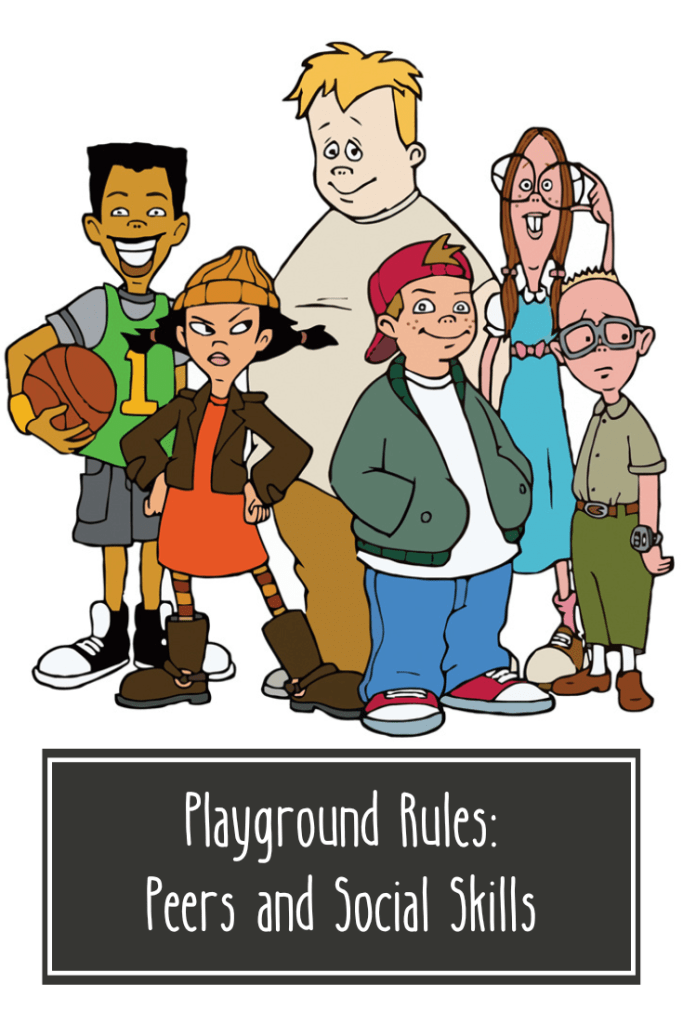
Playground Rules: Peers and Social Skills

Image credit: Recess

Parents can only do so much. In our kid’s early childhood, we try our best to teach and model everything they need to know to thrive. But eventually, they need to test their skills in real-life situations, and that’s most likely going to come on the playground.

When parents in the clinic would stress over their child’s social skills, I would say “playground rules,” meaning that kids best learn socialization in a setting with their peers and with limited interference from their parents. While the home serves as a training ground for trial and error, peers provide real-time feedback and refinement of those skills.

Continue reading

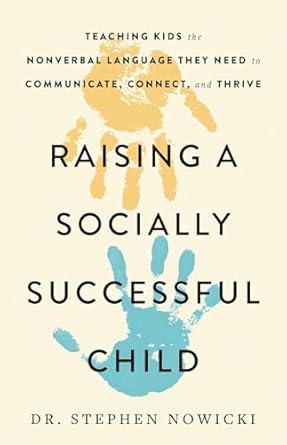
Child(ish) Reads: Raising A Socially Successful Child, Pt. II

When we say “socially successful”, we mean making friends. Yes, how our child conducts themselves in public spaces in a way that is socially acceptable is one thing. Manners and etiquette are explicitly taught.

However, making friends is not exactly easy for most. Confidence, self-esteem, temperament; these all factor into the process personally. But then there is the reciprocation, the two-way street. Does this person like me back?

In Raising a Socially Successful Child, Dr. Stephen Nowicki explains the Friendship process; the different stages of how we start and maintain relationships.

Continue reading

Our Goat Yoga Playdate Review

First playdate review of the year!!
Hear us out: Yoga… but with goats.

As our kids get older, experiences become less about laying a foundation and more about exposure. Yeah, we still want to show our kids something new; but instead of sharpening their motor skills or working with their senses, we’re also starting to integrate culture, instruction, complex skills and body control, and executive functions.

All that is to say that we want to give our kids a fun challenge. When we asked our kids to guess what we had planned, this was nowhere on their radar.

Continue reading

Finding your “Cricket”: Navigating your Child Interests

A little while ago, we watched the Bluey episode “Cricket.” It featured a pup named Rusty who was so passionate about the game of Cricket that he played it whenever he could. This made my son curious about why someone would be so dedicated to one thing. And so began our quest to help our child discover his own “Cricket.”

My son is currently playing baseball. While he enjoys playing the game, he is not as diehard as most of his friends and sometimes would rather stay home building Lego than practice. This season was the first time he realized that baseball may not be his “Cricket”. When we asked him what he does enjoy doing, he said he liked creating things, climbing trees and being outside, and playing video games. Aside from a few new activities, a few have remained constant: nature and building. So do we pursue the interests we already know, or try new avenues to see what sticks?

Continue reading