Summer To-Do List: 2026

Another school year is done! We have two months to exhale.
If you are anything like us, you’re probably also thinking way far ahead to the next school year, trying to use the season to make sure your kid moves forward, not back.

We gotta have fun, stay active but also rested, make memories, do the summer homework; it’s a tall order. Hopefully, we can do a little bit of everything.

Continue reading

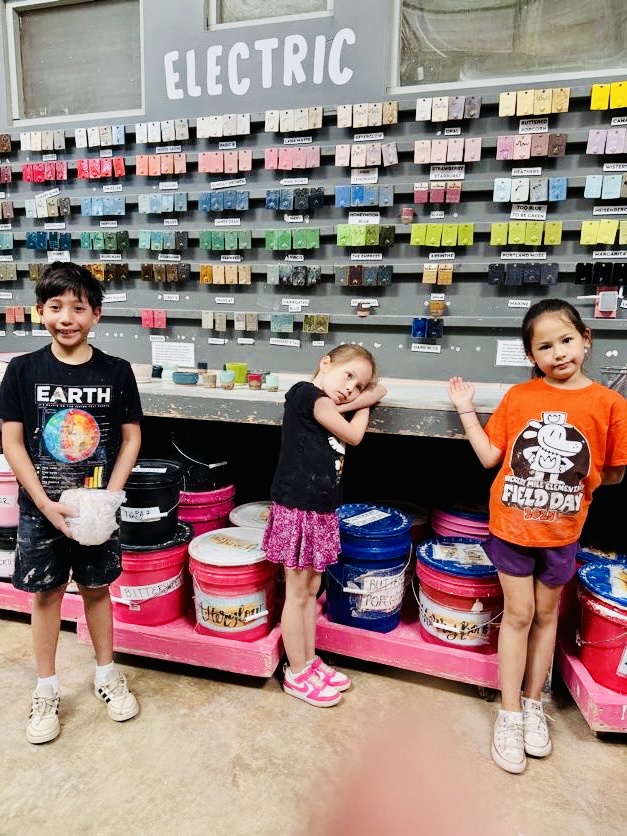
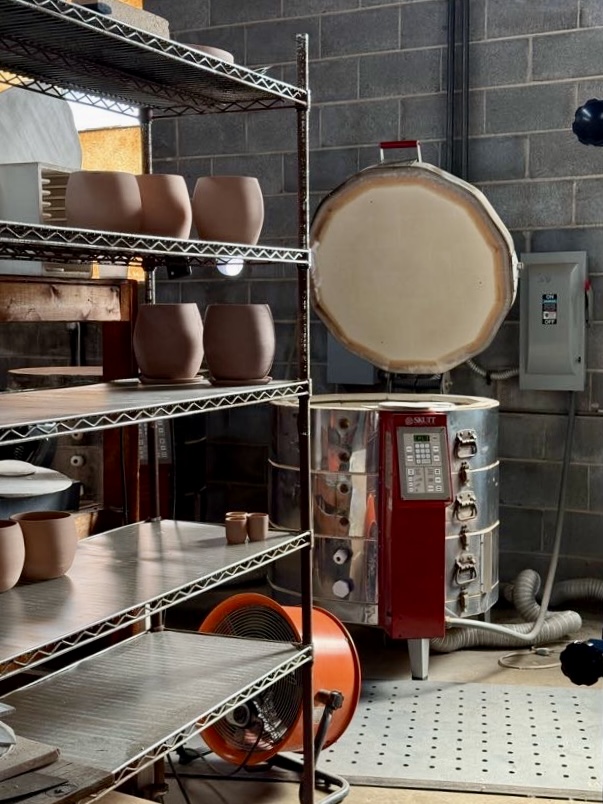
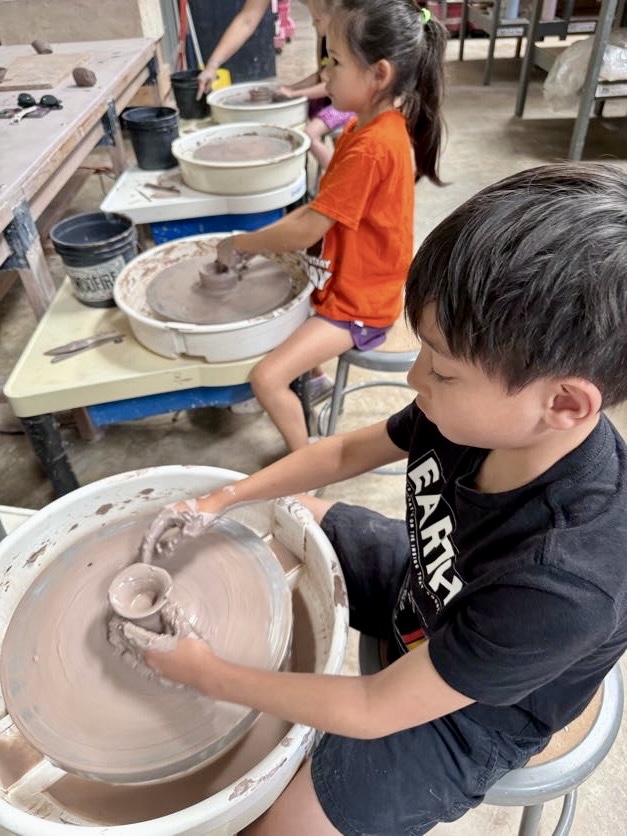
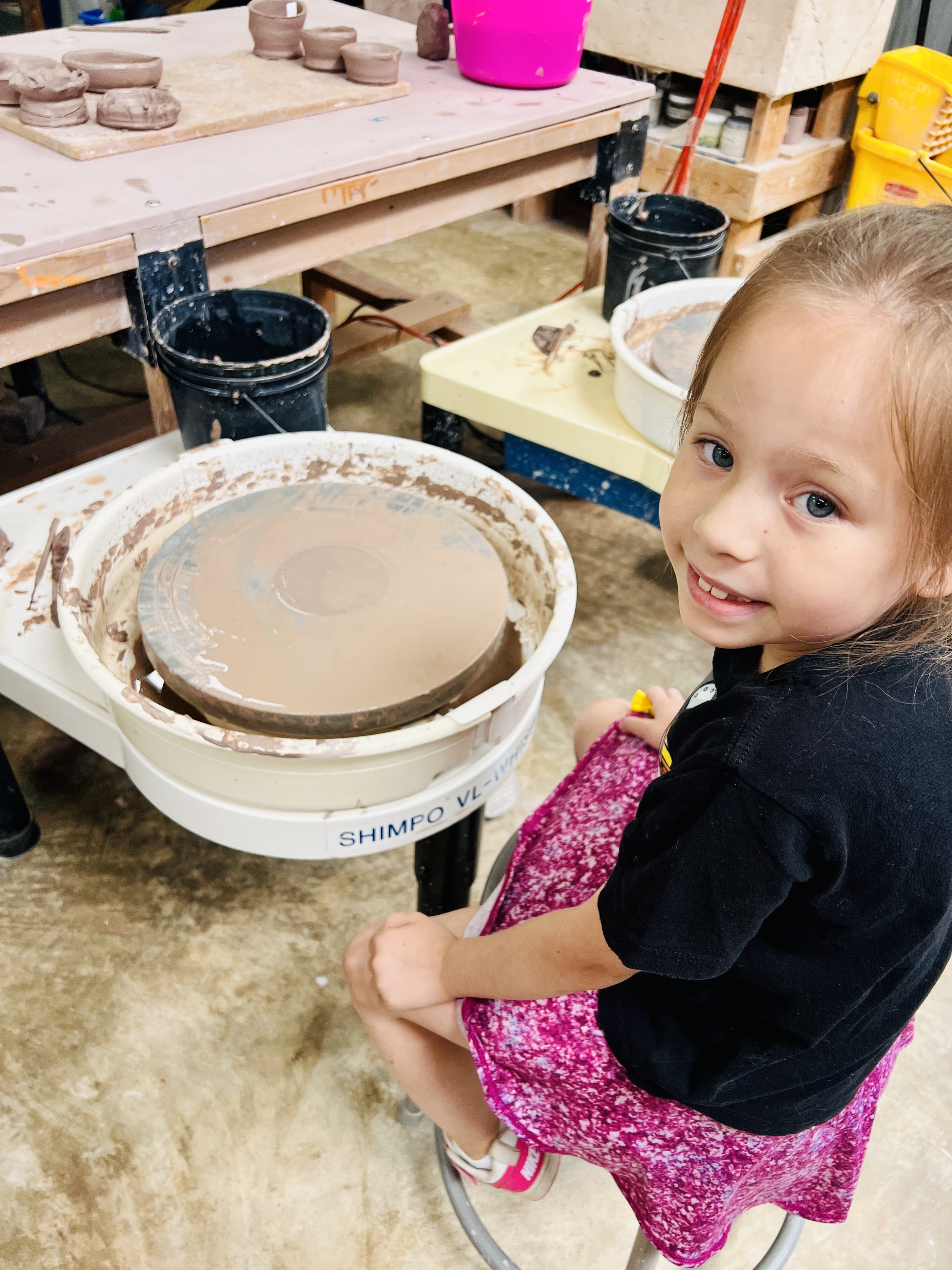
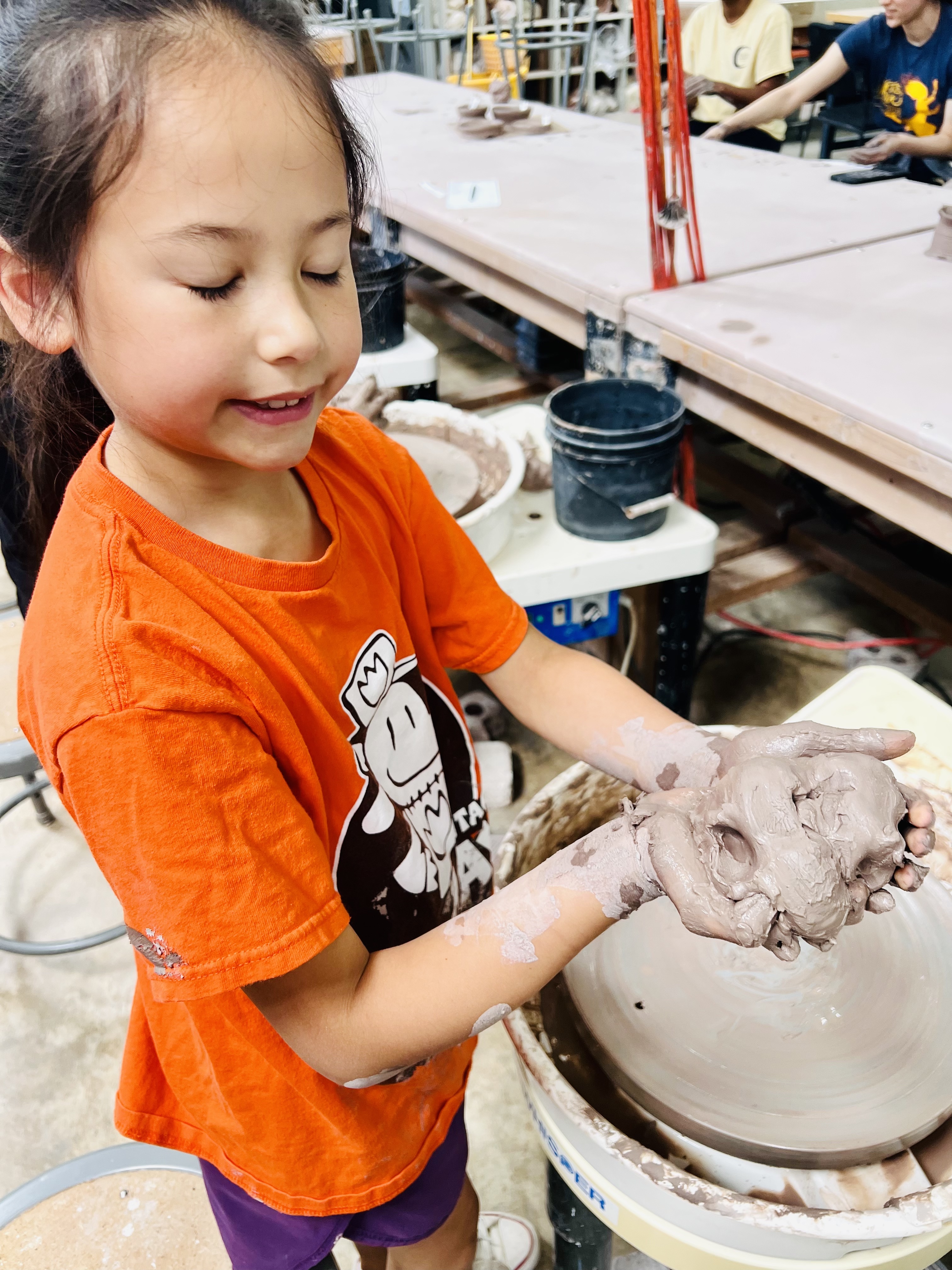
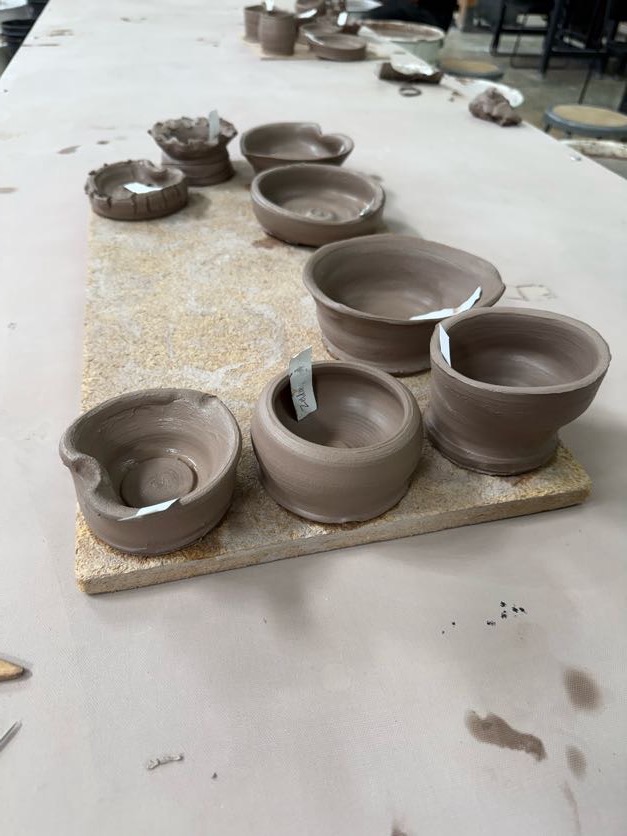
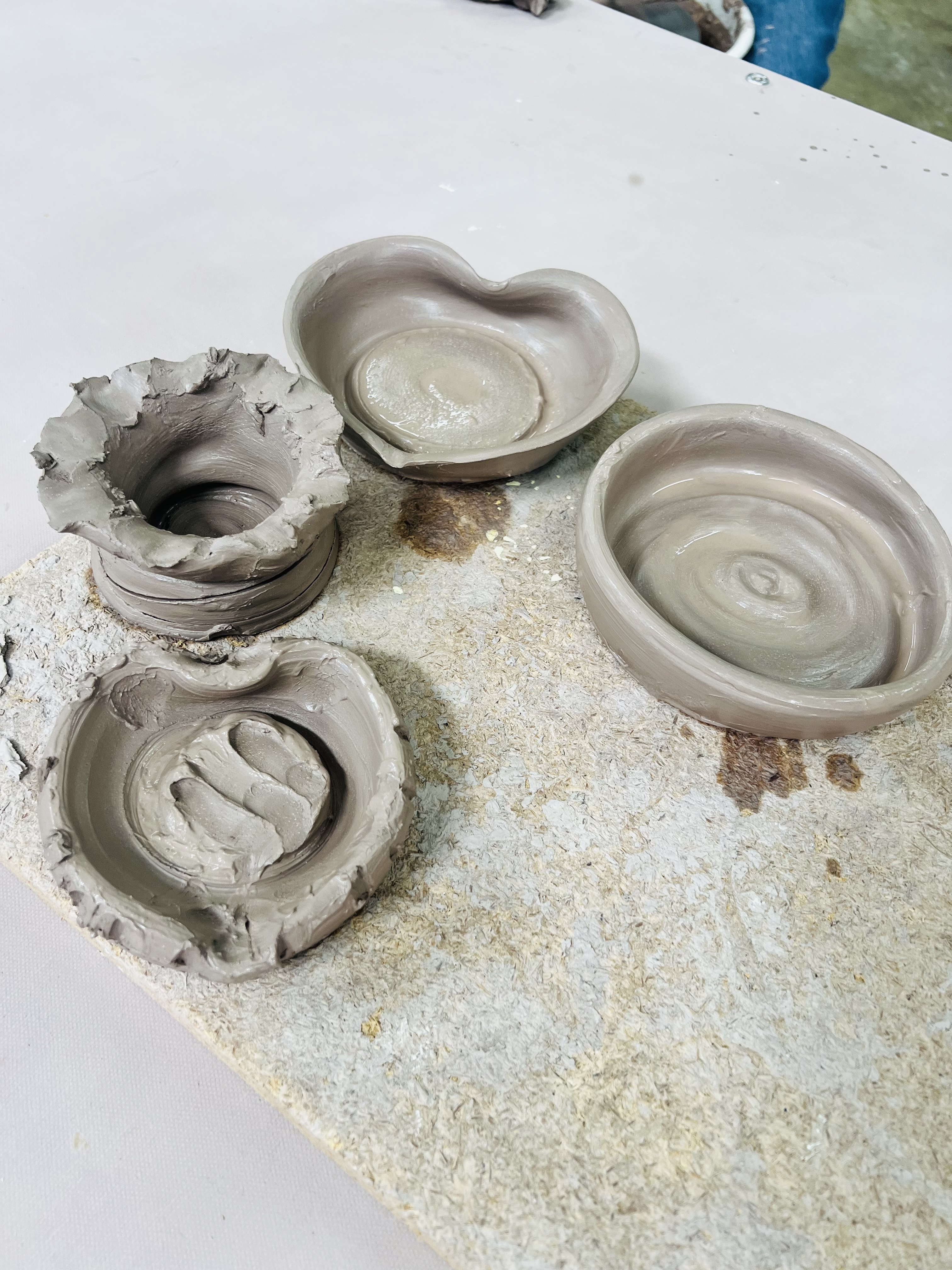
Our Wheel Throwing Playdate Review

It’s the last week of the school year and the last posts before our annual summer blog break. So we’re keeping it fun with a playdate review.

With the kids getting older, there isn’t much that they haven’t tried. So, play dates have been harder to brainstorm and plan. One of the first things I wanted to do when we came up with this blog series is wheel pottery. I had never done it before, and the girls have done kids clay sculpting classes many times. Now, all three kids are finally old enough to take it on.

Most pottery wheel studios have a minimum age for their beginner wheel classes, or they want you to buy several sessions or weekly course. In my cursory Google search, I found Mudfire, an open community pottery studio built around creativity, inclusivity, and shared space. They offer single Wheel 101 and 102 classes, capped at 12 people with a minimum age of 6 years old. They also have kids summer camps and special kids-only pottery wheel classes starting in June.

Continue reading

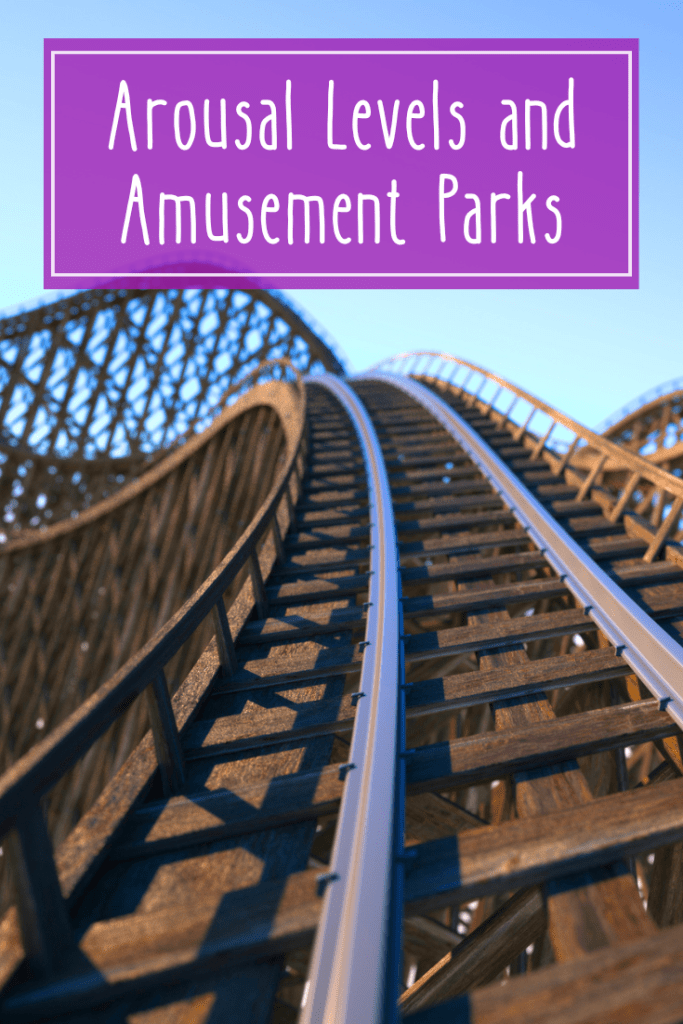
Arousal Levels and Amusement Parks

Amusement and theme parks look like a sensory nightmare. This goes for small, pop-up carnivals all the way to big, immersive theme park resorts. There are blaring speakers, flashing colors, crowds, constant movement…Honestly, I feel overwhelmed just picturing it.

And yet, some kids who are usually sensory‑sensitive walk through those gates and suddenly become focused, regulated, and living their absolute best life. What kind of plot twist is that?

Some kids who are sensory-sensitive can look completely unbothered (joyful even) at amusement parks, and it feels like a total contradiction. It’s not. Their nervous system is responding to a different sensory pattern than the one that overwhelms them in everyday life. That difference has everything to do with sensory processing, arousal levels, and how they modulate input.

Continue reading

Our First Theme Park Survival Guide

Growing up in Florida, Troy and I would go to Disney at least once a year for school field trips. Gradually, that grew to loving roller coasters, fandoms, drinking around the world, and staying in the parks late at night. We were always with friends, had very little cash, and ended up passing out on the ride home.

Making a big to-do about Disney World was never a thing for our families. But, we thought long and hard about how we wanted to navigate Disney with the girls, knowing that it is probably worth it to do one big magical trip to Florida while they are still little princesses.

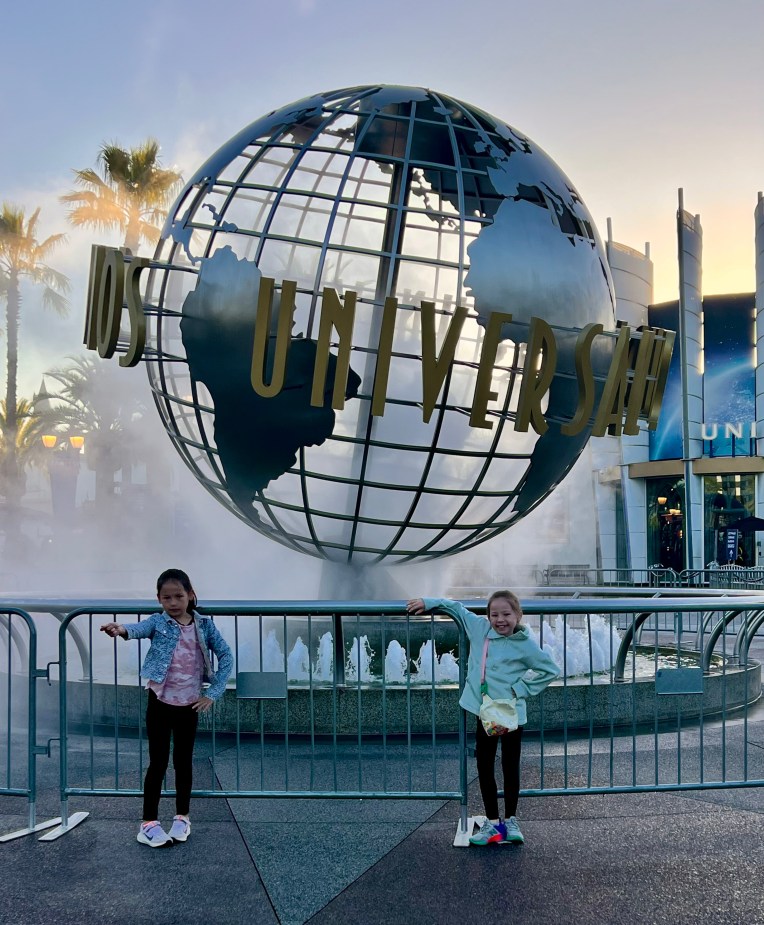
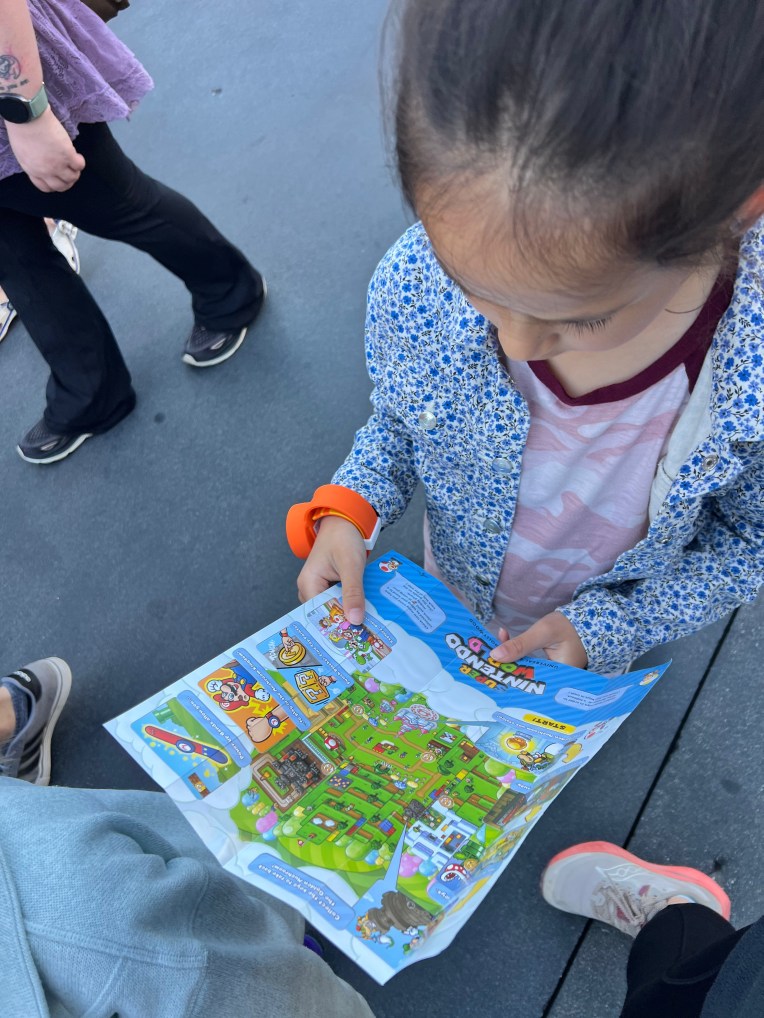
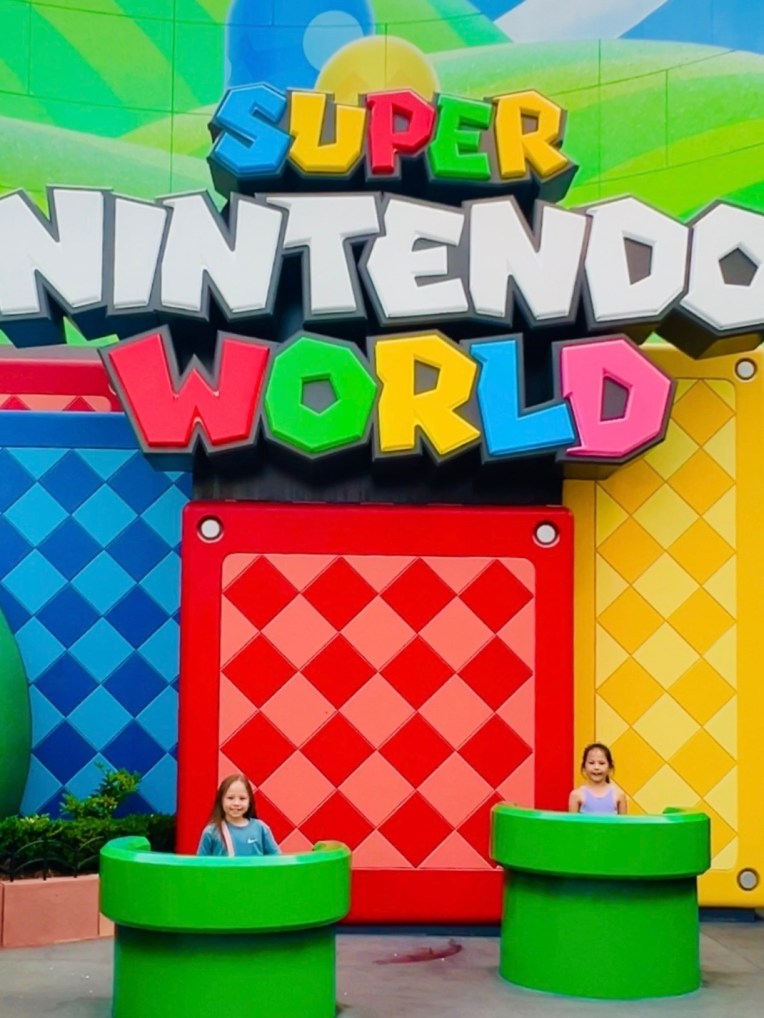
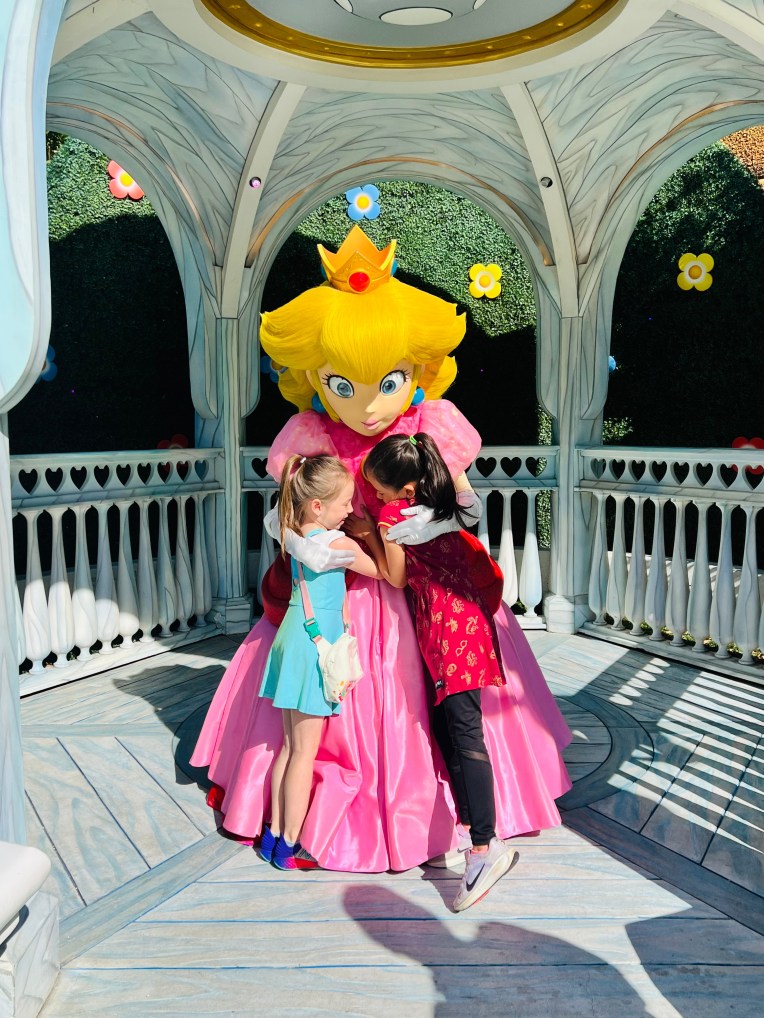
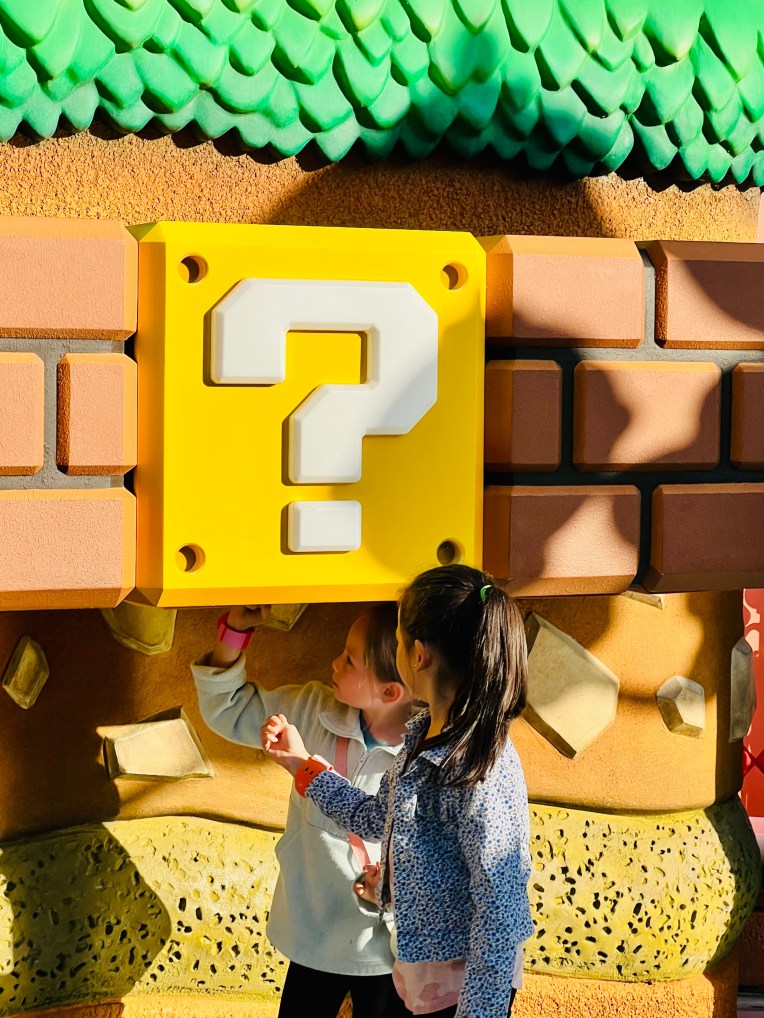
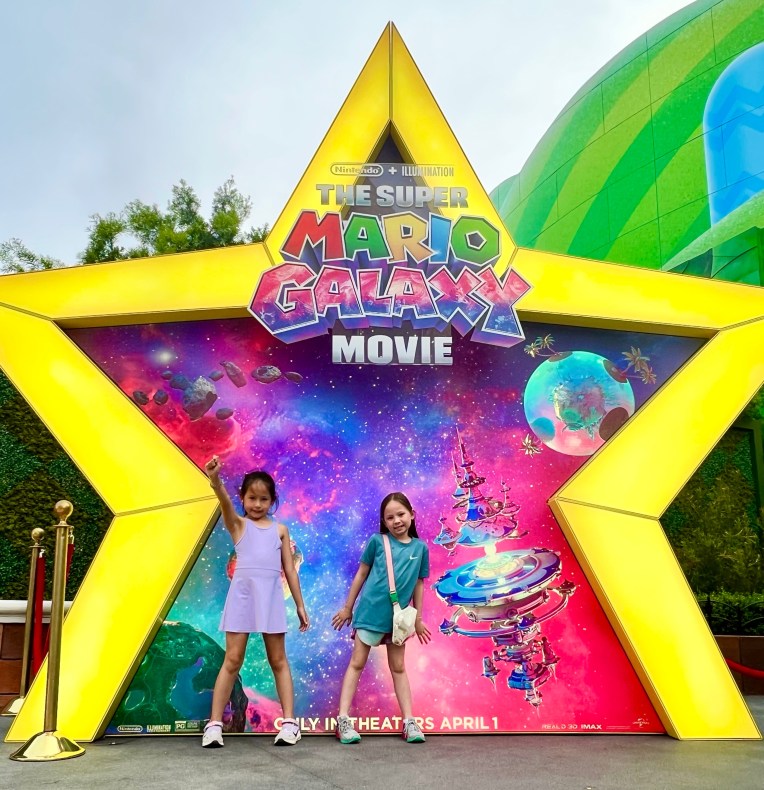
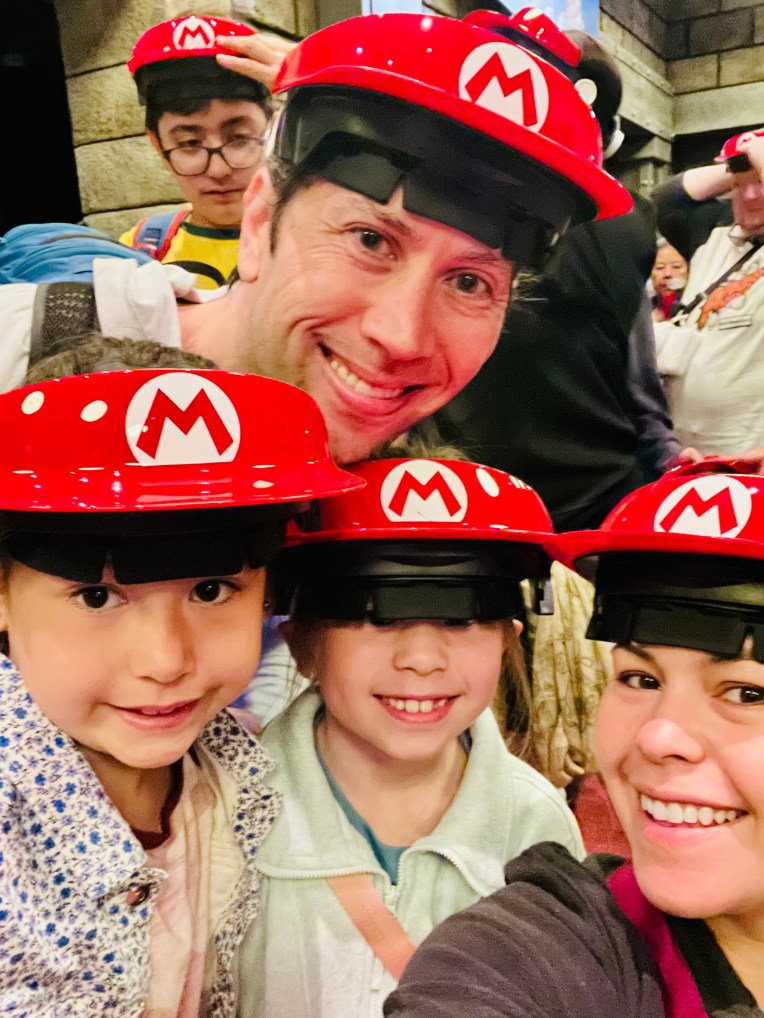
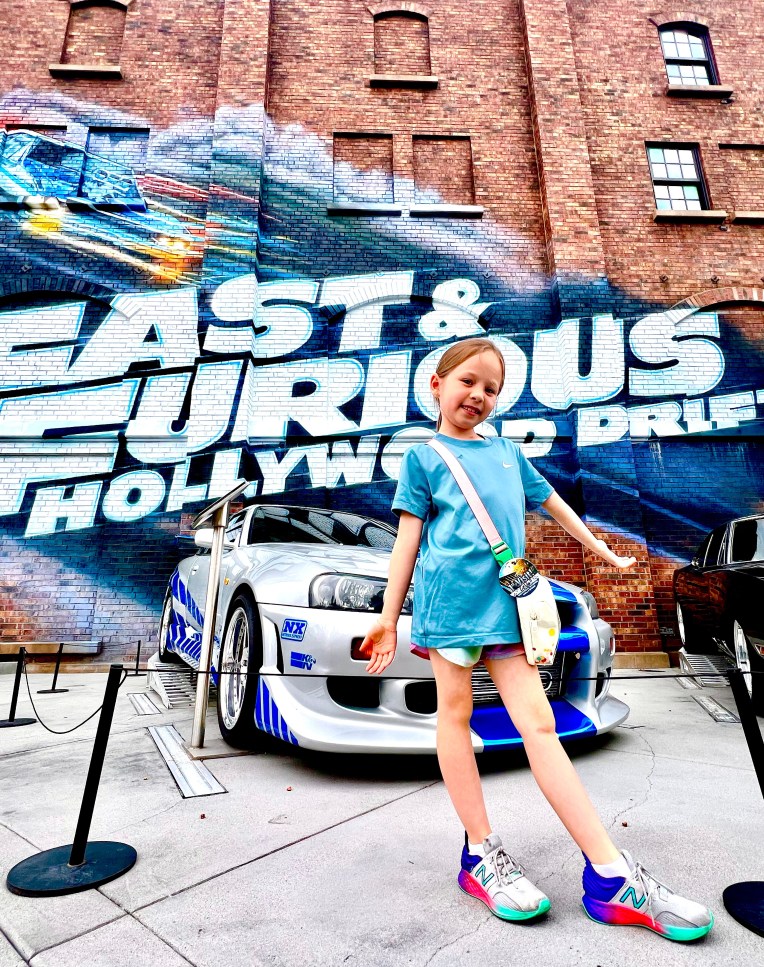
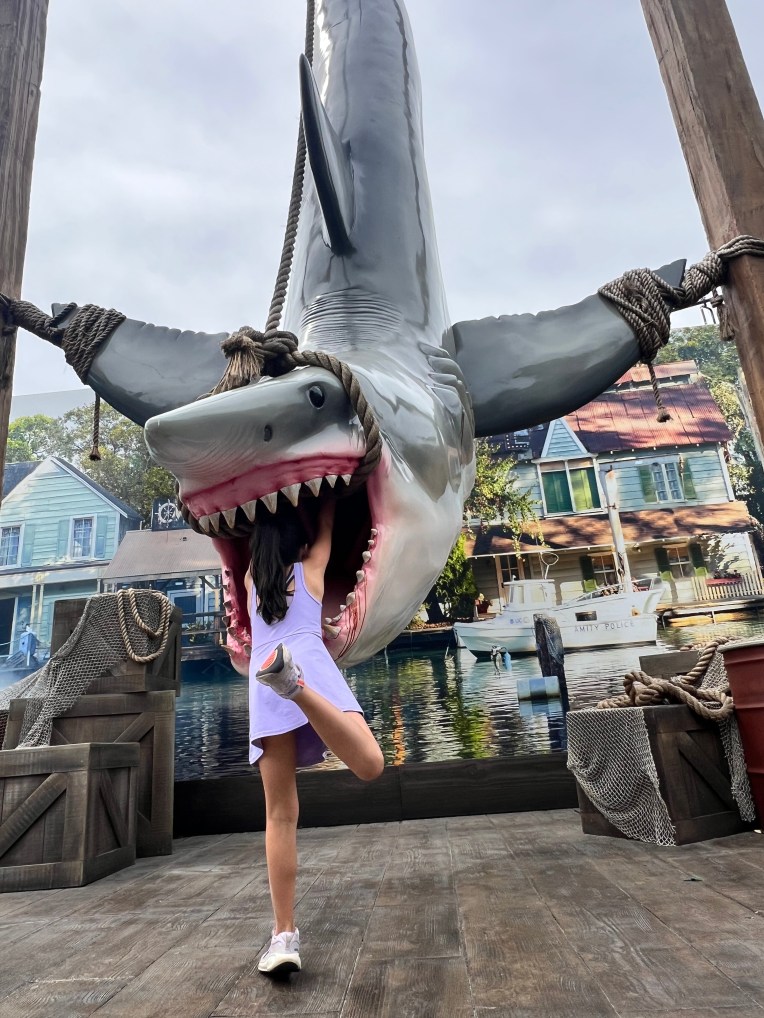
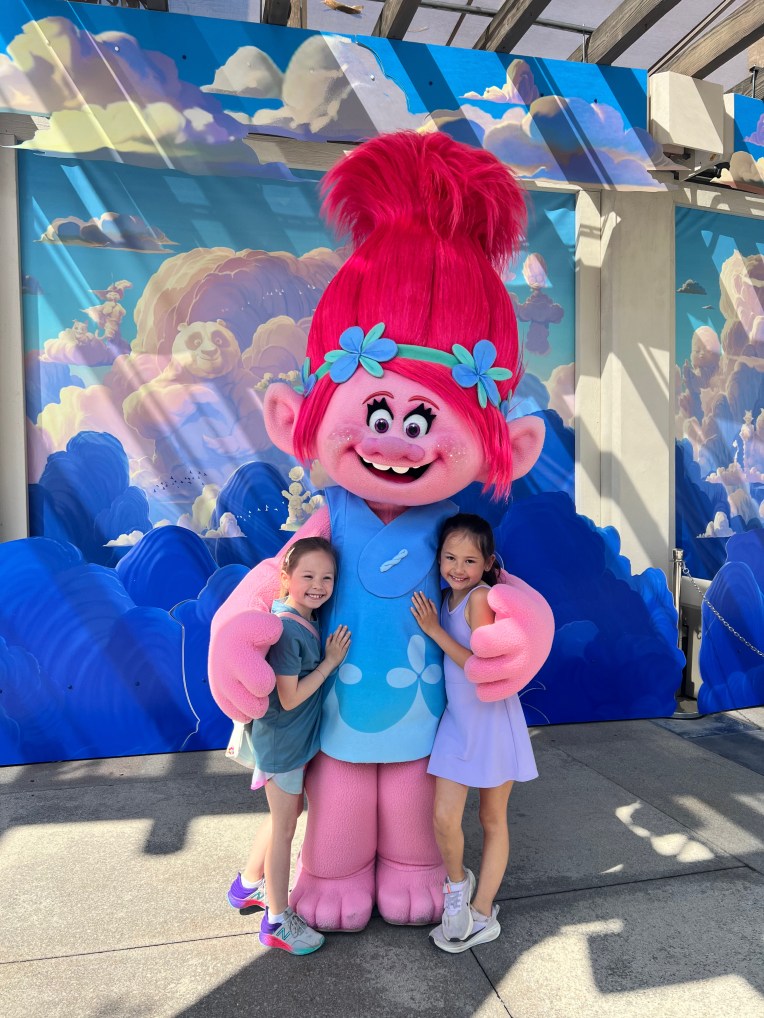
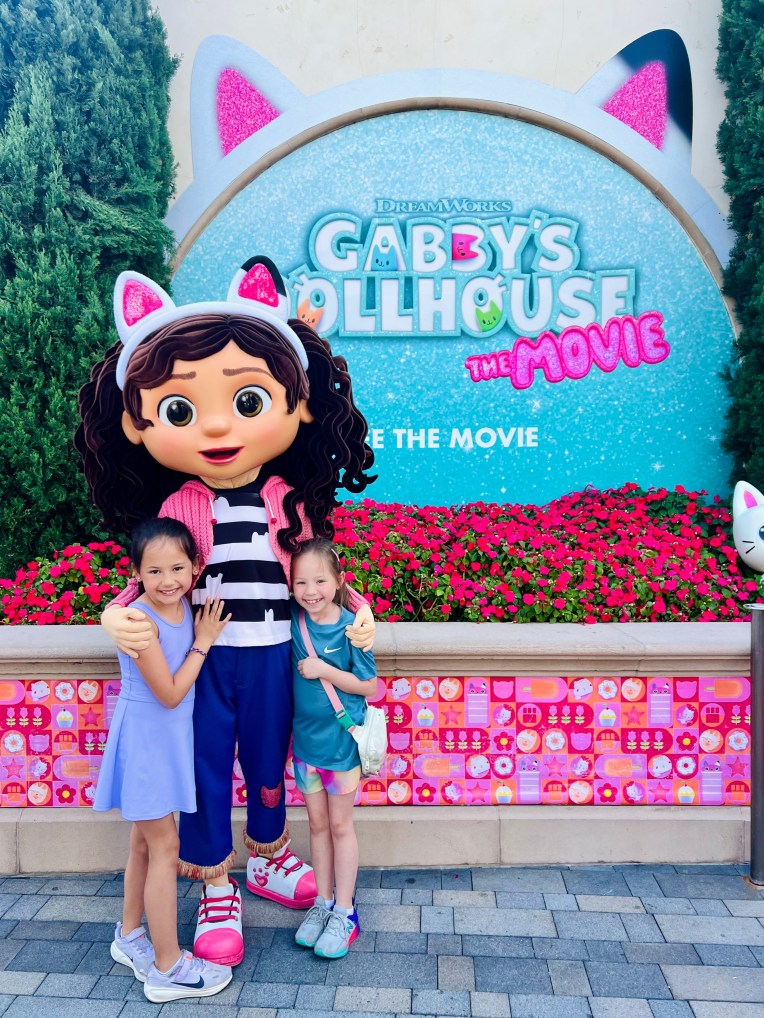
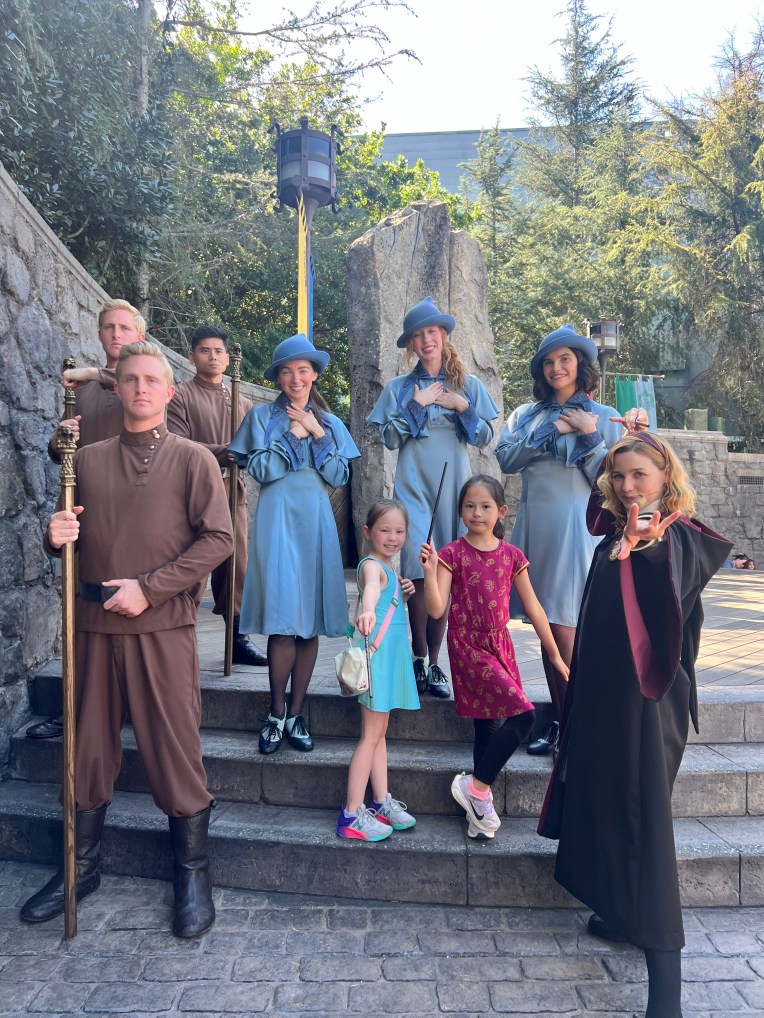
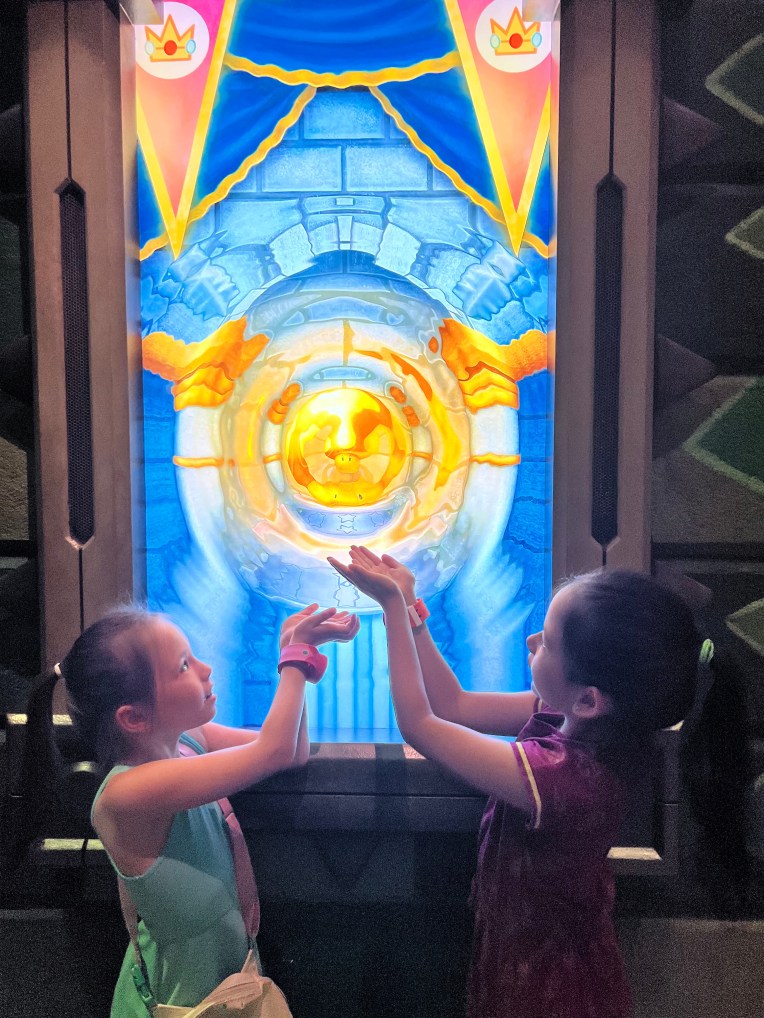
So for this year’s Spring Break, we decided to give them an amuse bouche while we were in California. In addition to Joshua Tree, Carlsbad, and sightseeing around LA, we took the girls to Universal Studios Hollywood. They are on the fifth Harry Potter book. Super Mario Galaxy just came out. Z just got over 42 inches tall. It seemed like the best time to test the waters.

Continue reading

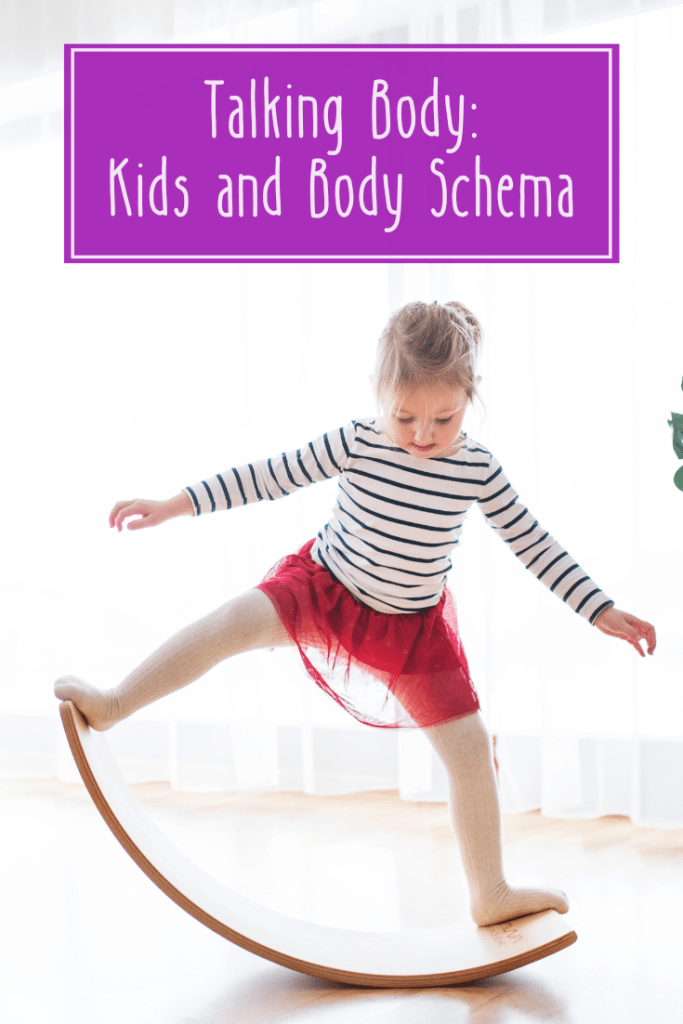
Talking Body: Kids and Body Schema

Kids have an enormous amount to learn, but before they can take on reading, writing, math, social skills, or even coordinated movement, they need a basic sense of themselves.

As children develop, it takes years for them to truly understand themselves—the “me I feel inside,” the “me others see,” and the “me I’m becoming.” That long process begins much earlier than most people realize. It starts when the brain first learns the physical boundaries of the body.

Those early signals (movement, balance, joint and muscle feedback, and deep pressure) are the “me sensations.” They give the brain its first clues about where the body begins and ends. Over time, these sensations fill in the brain’s internal “map of me,” the foundation for later self‑awareness, confidence, and coordinated movement.

Continue reading