Between ages 3 and 5, children rapidly grow as curious problem-solvers, expressive communicators, and imaginative players. They build friendships, develop empathy, and gain physical independence. This all lays a strong foundation for school readiness and future learning.
Continue readingIn the Home
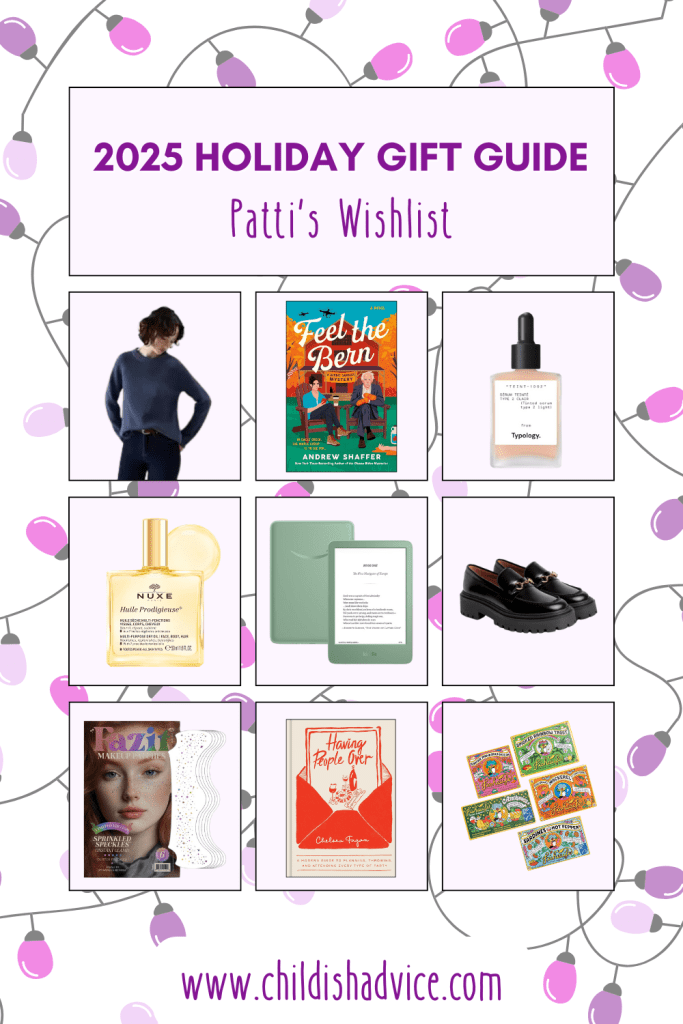
Holiday Gift Guide 2025: Infants and Toddlers
October is behind us, which means it’s officially wish list season. Sorting through the avalanche of toys and games online and in catalogs can feel more than a little overwhelming. I’ll be honest: narrowing down our favorites wasn’t easy. So yes, our list is on the larger side this year. But in our defense, every pick earned its spot.
To make the Child(ish) Advice list, we researched:
- Is it cool and new?
- Does it support child development?
- Does it stand out from all the rest?
- What do the reviews say about durability and practicality?
This year, we’ve grouped our favorites by target age and by category. First up, infants and toddlers.
Continue readingThe Babysitter
911: 911, what’s your emergency?
Cole: My babysitter is trying to kill me.
911: Are they still in the house?
Cole: They’re downstairs having a blast.
Finding someone to care for your kids isn’t just about hiring help—it’s about trust. And that’s not always easy to come by. Some families are lucky enough to have nearby relatives who happily step in so parents can sneak away for a date night or a breather. Others, like me, don’t have that built-in support system. So we turn to babysitters, hoping to find someone who our kids adore and who we feel safe with.
Continue readingIdle Hands: I’m Bored
Mick: So what? You like, knit now?
Anton: Randy broke it down for me. Idle hands is the devil’s playpen. So I’m thinking, you know, keep my hands occupied.
Mick: Nah man, that’s saying’s not…literal.
I’m BORED. If you’ve got kids, you’ve heard it. It’s the household equivalent of “Are we there yet?” And let’s be honest: it’s maddening, especially when they’re surrounded by all the toys, books, and art supplies you’ve curated at their disposal. Not to mention a chore list that’s still waiting to be done.
Recent findings reveal that boredom is a widespread experience among children. In a survey of 2,000 parents with children ages 3 to 12, the average time before boredom set in was just 33 minutes. Notably, 81% of parents reported that their children consistently sought new activities after returning home from school or daycare. Although this survey highlights a persistent need for engagement across age groups, it doesn’t tell the whole story.
Continue readingDouble, Double, Toil and Trouble: Twin Identities

Aunt Agatha: I have Lynn!
Kelly Farmer: I’m Kelly!
Aunt Agatha: Oh, whoever. I have your sister! If you care about her, you’ll give yourself up now!
Twins are often seen as a packaged deal, especially if they are identical. You can’t say Mary-Kate without thinking about Ashley Olsen, or Tia and Tamara Mowry. Even my own twins are known at school simply as “the twins” or “H and K.”
Mix-ups and mistaken identities are common; and while they may seem harmless, these moments subtly shape how twins see themselves and relate to others. That’s why it’s so important for parents to recognize each twin as a unique individual, with their own personality, behavior, and strengths. This isn’t always easy as physical resemblance, emotional closeness, and family dynamic can make individuality harder to nurture. Factor in the reality that they’ve had a constant companion since the womb, and the journey toward individuality becomes even more layered.
Continue reading