
Willy Wonka Series: Mike Teavee

The 1971 movie Willy Wonka and the Chocolate Factory is probably one of my top fave movies of all time. I mean, a candy factory tour, singing Oompa-Loompas, and the occasional dark comedy comeuppance? Yes.

Over the years, the movies and the book by Roald Dahl are almost a cautionary tale about unchecked poor behavior in kids. To foil with innocent main character Charlie, we see four other children representing overconsumption, competition, spoiledness, and tv addiction and their consequent ejection from chocolate factory when they give into them. So in the spirit of Halloween and lots of candy, we’re taking a deep dive into these characters and how these negative traits can develop in real life. First up, Mike Teavee.

Continue reading →
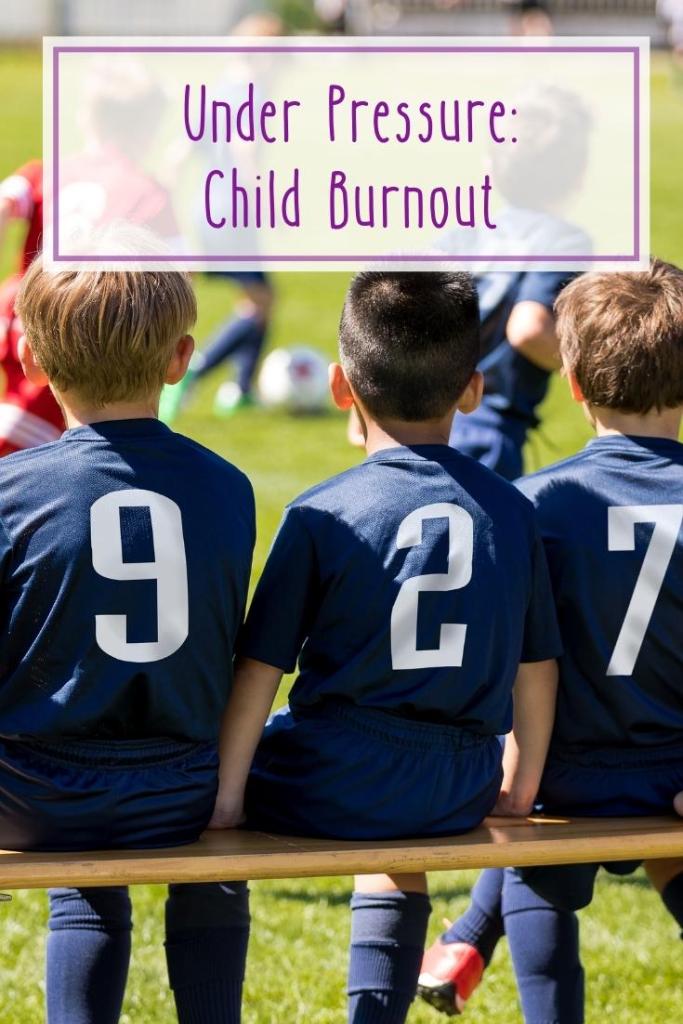
Under Pressure: Child Burnout

Our kids can only handle so much.

As parents, we want to give as many opportunities as possible to succeed. We place them in structured activities, enroll them in after school classes and extracurriculars, and take them to new places to gain new experiences. Despite our good intentions, we can go overboard and it’s only a matter of time until our kids finally reach a breaking point.

Similar to adults having burnout, child burnout is the product of continuous, unmanaged stress. They may be overscheduled with too many activities and not enough rest in between. Or they just might be overloaded from people, directions, and physical exertion. Burnout affects their ability to process and reflect on their day, that then snowballs into anxiety and overwhelm. Their motivation and interest in even their favorite things can drop.

Continue reading →

This is Your Kid’s Brain on Tech

Truth: Raising kids today is infinitely harder than in years past. And even though our parents want to give us tips on how to parent, they really have no idea what it’s like with this level of tech immersion. In fact, our kids (known as gen Alpha) will be the first generation to only know a world dominated by digital.

The result: Tech now leaves a completely different footprint on the developing kids’ brain, making focus, learning, and self-regulation harder to achieve.

Continue reading →

Crash course: Executive Functions

It’s your choice.

Do you remember what I said?

What do you think we should do?

How are we going to fix this?

You’ve probably said this to your kid (or significant other) many a times, but did you know that these statements and questions engage executive function?

Any goal-driven process or activity that requires conscious thought is utilizing some degree of executive function (a set of mental skills that allow us to appropriately interact with our environment). Look at it like your brain’s upper management or “the executives” in charge of our behavior and cognition as they help plan, organize, and manage many tasks in our everyday life.  

Continue reading →

Laying the Foundation: School Readiness

So this isn’t quite a Course Notes post, but I absolutely loved this Continuing Ed seminar I took a couple weeks ago on core foundational skills essential for learning. It especially informs our thoughts on school readiness and I want to share it with you all. So here we go!

Ready or not, your little one will soon attend school and you will most likely have concerns if they’re prepared or not. School readiness refers to the range of proficiencies — language and literacy, cognition, social and emotional skills — needed for your child to easily transition into school.  But to be successful in these skills, certain foundations need to be in place.

Continue reading →