Course Notes: Social and Emotional Development, pt.2

Social and emotional development involves gaining the capacity to understand, manage, and express. One way to guide its growth is with social and emotional learning (SEL). While this systematic approach is often seen in educational settings, it can be applied across the lifespan.

There are five competencies in this area, also known as the CASEL 5. They are:

  • Self-awareness – recognize one’s own emotions/thoughts/interests/values, how these qualities influence actions, as well as maintaining a positive self-view and belief in abilties
  • Self-management – regulate emotions/thoughts/behaviors in different situations, handle stress and resist urges, and set goals
  • Social awareness understand subtle social/cultural rules and norms, considers other perspectives, show respect and empathy towards others
  • Relationship skills – establish and maintain relationships with others, resist negative social pressure, work well with others, prevent and solve conflicts with others, seek help when needed
  • Responsible decision making – accurately identify and evaluate problems, make decisions based on ethical and social norms, consider context when making decisions, contribute positively to the community

These skills enable us to maintain a healthy self-perception, manage stress effectively, comprehend others, and collaborate to support the community.

Continue reading
Course Notes: Social and Emotional Development, Pt. 1

Being an OT-forward blog, we’ve written a lot about motor and cognitive development, but what about the social and emotional?

My most recent course focused on just that: Social and Emotional Development – Therapeutic Interventions for Children, Birth Through Adolescence. From that seminar, we think it would be helpful for many parents to understand how social and emotional development builds as our kids get older, similar to all those Development Milestones we watch so closely.

Social and emotional development refers to a child’s ability to understand who they are, what they are feeling, and how to navigate social interactions. These skills are essential for forming and maintaining positive relationships, expressing and managing emotions, and effectively exploring and engaging with their surroundings and other people.

Continue reading

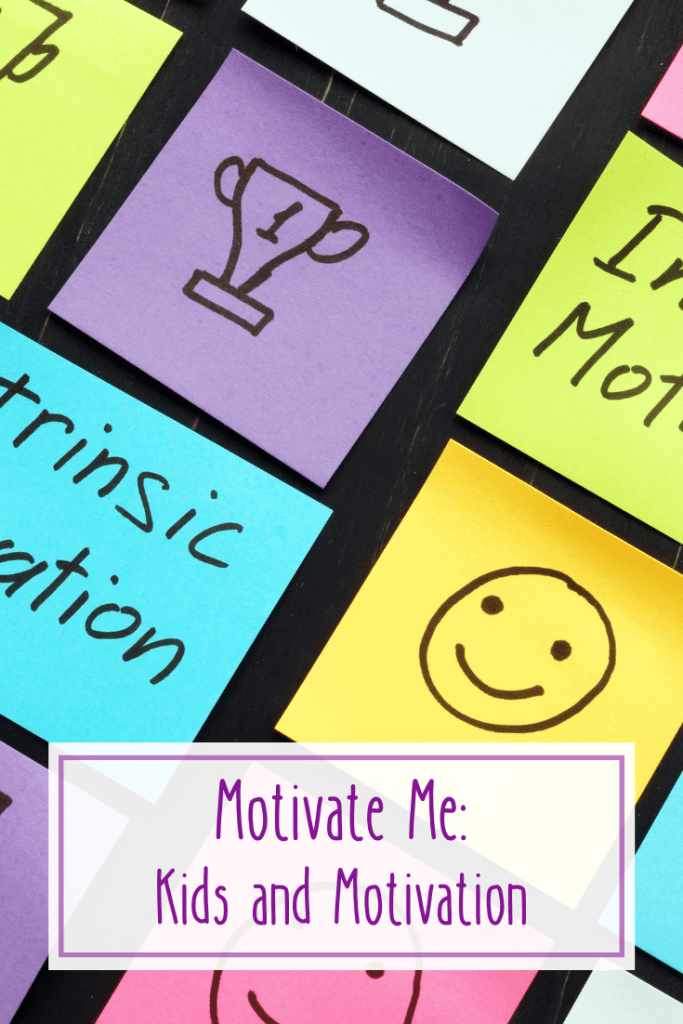
Motivate Me: Kids and Motivation

Once upon a time, my son was THE BEST little helper I could ever have. When he saw me vacuum, he wanted to help. When he watched me do the dishes, he wanted to participate. If he had an assignment, he did it without a whimper. Fast forward to present day: OMG the patience I need to have to get him to do anything…

Interest drives motivation but so do rewards and punishments. When it comes to our kids, it seems like we’re pulling teeth to get them to do their chores, complete their homework, or even just to get up off the couch and DO ANYTHING. While we know that motivation plays an important role in directing our child’s behavior, the question is HOW to instill it in our kids and ensure that it sticks?

Continue reading

Finding your “Cricket”: Navigating your Child Interests

A little while ago, we watched the Bluey episode “Cricket.” It featured a pup named Rusty who was so passionate about the game of Cricket that he played it whenever he could. This made my son curious about why someone would be so dedicated to one thing. And so began our quest to help our child discover his own “Cricket.”

My son is currently playing baseball. While he enjoys playing the game, he is not as diehard as most of his friends and sometimes would rather stay home building Lego than practice. This season was the first time he realized that baseball may not be his “Cricket”. When we asked him what he does enjoy doing, he said he liked creating things, climbing trees and being outside, and playing video games. Aside from a few new activities, a few have remained constant: nature and building. So do we pursue the interests we already know, or try new avenues to see what sticks?

Continue reading

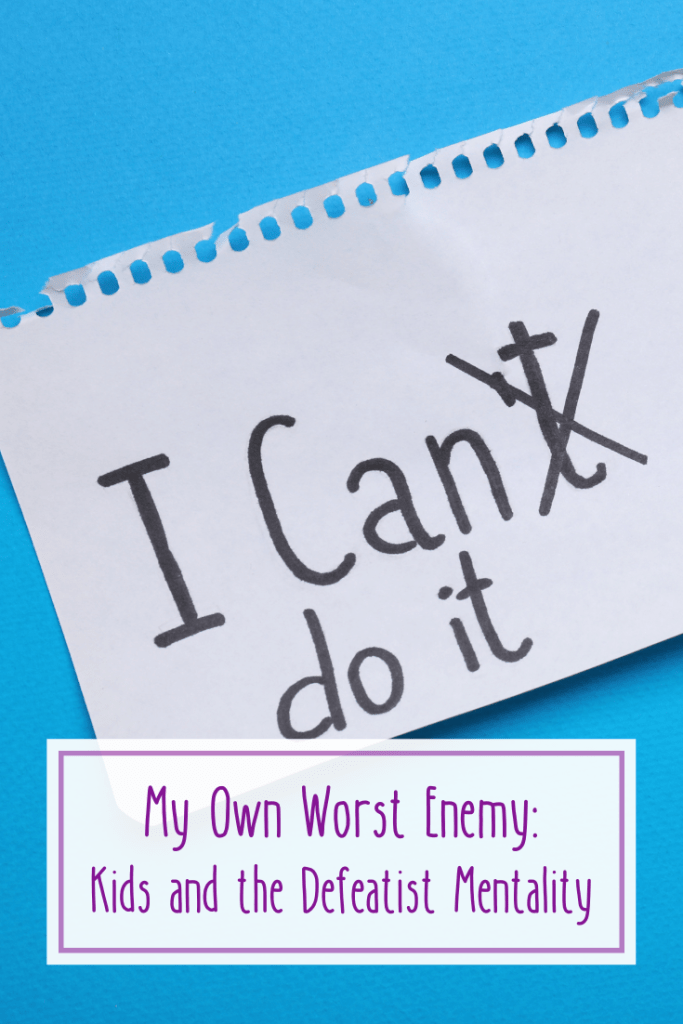
My Own Worst Enemy: Kids and The Defeatist Mentality

It can be really heart-breaking (and equally frustrating) when we hear our kids say, “I can’t do it. It’s hard. I quit.” Giving kids challenging tasks can make them take a step back and reassess the situation, but what do we do when these thoughts completely influence their mindset and outlook?

Lately, Patti’s 6-year-old Z has been going through these bouts with reading and writing. If she misspells a word or has trouble sounding out a word, she gets heated, stops trying altogether, and then has a meltdown, claiming that everyone is being mean to her. To add a little detail, her sister and friends are slightly ahead of her in these subjects and she feels like she is either left behind or we’re being too hard on her.

From birth, kids quickly learn new skills and gain the confidence to use them. As they get older, that confidence allows them to trust their own capabilities and bounce back if they’re unsuccessful at something. We know resilience builds after facing setbacks. So, it’s tough to see our kids throw in the towel without trying.

Continue reading